Understanding the Quest for a Flat Stomach
The desire for a flat stomach is a common fitness goal, often associated with good health and an attractive physique. However, for many in India, achieving this goal can seem challenging due to various lifestyle factors, dietary habits, and genetic predispositions. This guide aims to provide a realistic and practical approach to getting a flatter stomach, focusing on sustainable lifestyle changes rather than quick fixes.
The Truth About Spot Reduction
It's crucial to understand that spot reduction – the idea that you can target fat loss from a specific area like the abdomen – is largely a myth. Fat loss occurs throughout the body when you are in a calorie deficit. While abdominal exercises strengthen your core muscles, they won't directly burn the fat layer covering those muscles. Therefore, a comprehensive approach involving overall fat loss is essential.
Key Pillars for a Flatter Stomach
1. Nutrition: The Foundation of Fat Loss
Diet plays the most significant role in reducing body fat, including abdominal fat. For an Indian context, this means:
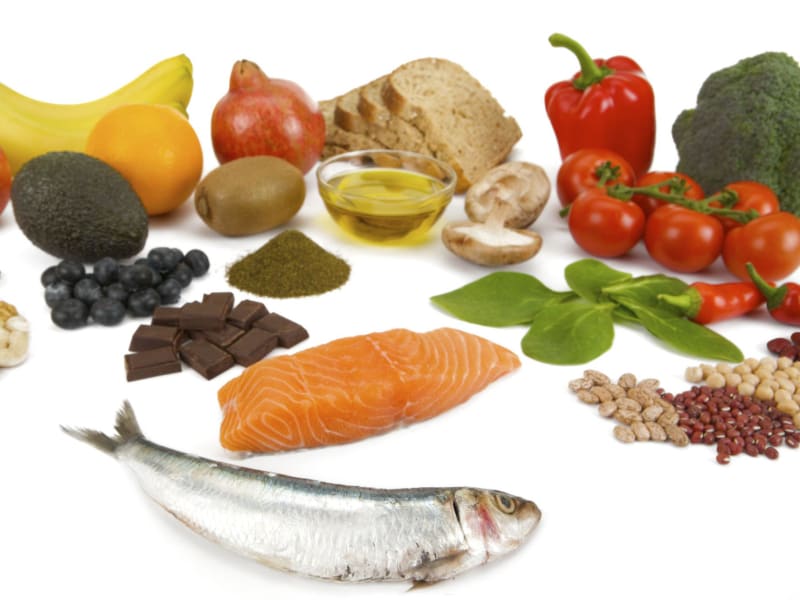
- Balanced Diet: Focus on whole, unprocessed foods. Include plenty of vegetables, fruits, lean proteins, and whole grains. Reduce intake of refined carbohydrates (like white bread, biscuits), sugary drinks, and fried foods, which are common in many Indian diets.
- Portion Control: Be mindful of serving sizes. Even healthy foods can lead to weight gain if consumed in excess.
- Adequate Protein: Protein helps you feel full longer and supports muscle maintenance during weight loss. Include sources like lentils (dal), chickpeas (chana), beans, yogurt, eggs, and lean meats.
- Healthy Fats: Incorporate sources like nuts, seeds, avocados, and healthy cooking oils in moderation.
- Hydration: Drink plenty of water throughout the day. Sometimes thirst is mistaken for hunger.
- Mindful Eating: Pay attention to your body's hunger and fullness cues. Avoid eating while distracted by screens.
2. Exercise: Building Muscle and Burning Calories
A combination of cardiovascular exercise and strength training is most effective:
- Cardiovascular Exercise (Cardio): Aim for at least 150 minutes of moderate-intensity or 75 minutes of vigorous-intensity cardio per week. Activities like brisk walking, jogging, cycling, swimming, or dancing are excellent. For Indians, activities like brisk walking in parks or local grounds, or even dancing to Bollywood music, can be enjoyable and effective.
- Strength Training: Building muscle increases your metabolism, helping you burn more calories even at rest. Focus on compound exercises that work multiple muscle groups, such as squats, lunges, push-ups, and rows. Include specific core-strengthening exercises like planks, crunches, and leg raises.
- High-Intensity Interval Training (HIIT): Short bursts of intense exercise followed by brief recovery periods can be very effective for fat burning.
3. Lifestyle Factors: The Unsung Heroes
Beyond diet and exercise, several lifestyle factors significantly impact abdominal fat:
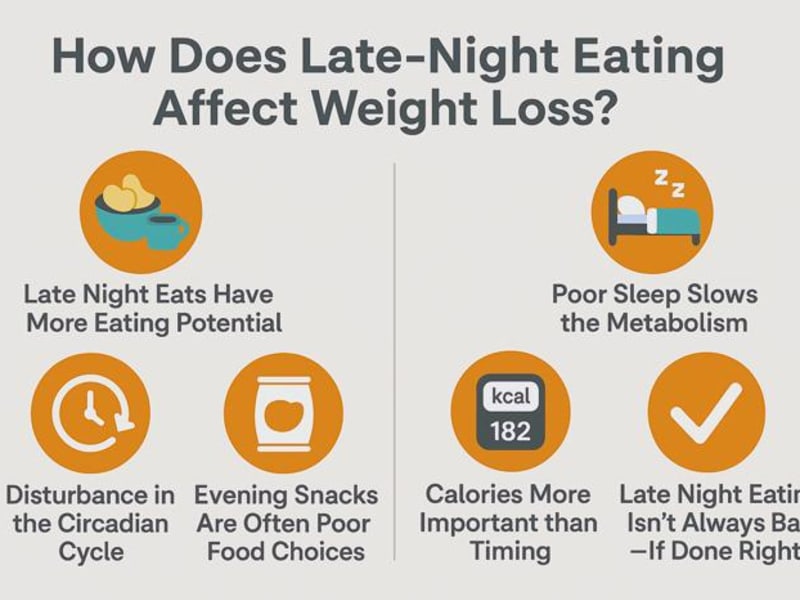
- Sleep: Aim for 7-9 hours of quality sleep per night. Lack of sleep can disrupt hormones that regulate appetite, leading to increased cravings and fat storage, particularly around the abdomen.
- Stress Management: Chronic stress elevates cortisol levels, a hormone linked to increased abdominal fat. Incorporate stress-reducing activities like yoga, meditation, deep breathing exercises, spending time in nature, or pursuing hobbies.
- Alcohol Consumption: Excessive alcohol intake can contribute to weight gain and abdominal fat. Moderation is key.
Common Myths Debunked
- Myth: Doing thousands of crunches will give you a flat stomach. Fact: Crunches strengthen abdominal muscles but don't burn the fat covering them.
- Myth: Specific foods can burn belly fat. Fact: While a healthy diet supports overall fat loss, no single food magically targets abdominal fat.
- Myth: Detox diets or cleanses are effective for flat stomachs. Fact: These are often temporary and can be unhealthy. Sustainable lifestyle changes are more effective.
When to Consult a Doctor or Specialist
While achieving a flatter stomach is often a cosmetic and fitness goal, it's important to consult a healthcare professional if:
- You experience sudden or unexplained weight gain, especially around the abdomen.
- You have underlying health conditions like diabetes, heart disease, or hormonal imbalances that might affect your weight or body composition.
- You are struggling to lose weight despite consistent efforts.
- You experience significant bloating or digestive issues.
A doctor can help rule out medical causes and guide you toward a safe and effective weight management plan. A registered dietitian or a certified fitness trainer can provide personalized advice tailored to your needs and cultural context.
Conclusion
Achieving a flatter stomach is a journey that requires patience, consistency, and a holistic approach. By focusing on a balanced, nutritious diet, regular exercise, adequate sleep, and stress management, individuals in India can work towards their fitness goals in a healthy and sustainable manner. Remember, health and well-being are more important than a specific body shape, and celebrating progress along the way is key.
Additional Medical Guidance
This section adds practical context and preventive advice to help readers make informed healthcare decisions. It is important to verify symptoms early, consult qualified doctors, and avoid self-medication for persistent health issues.
Maintaining healthy routines, following prescribed treatment plans, and attending regular checkups can improve outcomes. If symptoms worsen or red-flag signs appear, immediate medical evaluation is recommended.
Quick Checklist
Track symptoms and duration.
Follow diagnosis and treatment from a licensed practitioner.
Review medication side effects with your doctor.
Seek urgent care for severe warning signs.