High blood pressure, also known as hypertension, is a common condition that affects millions of people worldwide. It's often called the "silent killer" because it typically has no symptoms, yet it significantly increases the risk of serious health problems like heart disease, stroke, kidney failure, and vision loss. Fortunately, making certain lifestyle changes can be incredibly effective in managing and lowering your blood pressure. This blog post will explore five practical and evidence-based strategies that you can implement starting today to take control of your blood pressure and improve your overall cardiovascular health.
Understanding Blood Pressure
Before diving into the strategies, it's important to understand what blood pressure is. Blood pressure is the force of your blood pushing against the walls of your arteries. It's measured in millimeters of mercury (mm Hg) and is given as two numbers: the systolic pressure (the top number) and the diastolic pressure (the bottom number). For example, a reading of 120/80 mm Hg means the systolic pressure is 120 and the diastolic pressure is 80.
- Normal blood pressure: Less than 120/80 mm Hg
- Elevated blood pressure: Systolic between 120-129 mm Hg and diastolic less than 80 mm Hg
- Hypertension Stage 1: Systolic between 130-139 mm Hg or diastolic between 80-89 mm Hg
- Hypertension Stage 2: Systolic 140 mm Hg or higher or diastolic 90 mm Hg or higher
- Hypertensive crisis: Systolic higher than 180 mm Hg and/or diastolic higher than 120 mm Hg (requires immediate medical attention)
Sustained high blood pressure puts extra strain on your heart and blood vessels, leading to damage over time. While genetics and age can play a role, lifestyle factors are major contributors and are often the most accessible areas for intervention.
Strategy 1: Embrace a Heart-Healthy Diet (DASH Diet)
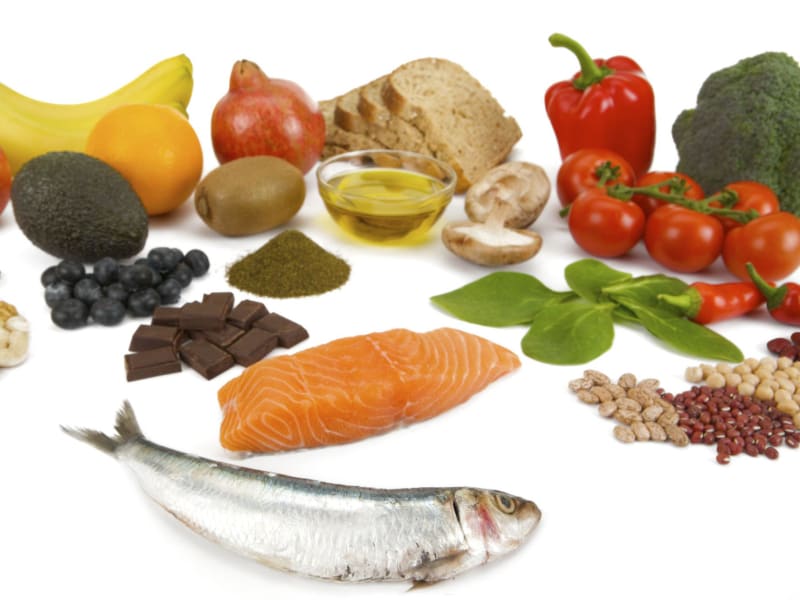
Diet plays a crucial role in blood pressure management. The Dietary Approaches to Stop Hypertension (DASH) diet is a well-researched eating plan designed to help lower blood pressure. It emphasizes fruits, vegetables, whole grains, lean proteins, and low-fat dairy products while limiting saturated and total fat, cholesterol, and red meat.
Key Components of the DASH Diet:
- Fruits and Vegetables: Aim for 4-5 servings of each per day. They are rich in potassium, magnesium, and fiber, which help regulate blood pressure. Examples include bananas, berries, spinach, broccoli, and sweet potatoes.
- Whole Grains: Include 6-8 servings daily. Opt for brown rice, whole wheat bread, oats, and quinoa. These provide fiber and essential nutrients.
- Lean Proteins: Choose poultry, fish, beans, nuts, and seeds. Limit red meat to no more than 5 servings per week. Fish, especially fatty fish like salmon and mackerel, are rich in omega-3 fatty acids, which are beneficial for heart health.
- Low-Fat Dairy: Consume 2-3 servings daily. This includes milk, yogurt, and cheese, providing calcium and vitamin D.
- Healthy Fats: Use vegetable oils (like olive oil) and limit butter and margarine. Nuts and seeds are also good sources of healthy fats.
- Limit Sodium: This is perhaps the most critical dietary change for lowering blood pressure. Aim for no more than 2,300 mg of sodium per day, and ideally, work towards 1,500 mg. This means cutting back on processed foods, canned goods, fast food, and salty snacks. Read food labels carefully!
- Limit Added Sugars and Sweets: Reduce intake of sugary drinks, desserts, and candies. High sugar intake can contribute to weight gain and inflammation, both of which can negatively impact blood pressure.
Incorporating these dietary principles can significantly impact your blood pressure readings and overall well-being.
Strategy 2: Regular Physical Activity
Regular exercise is one of the most effective ways to lower blood pressure and improve cardiovascular health. Physical activity helps strengthen your heart muscle, allowing it to pump blood more efficiently with less effort. It also helps maintain a healthy weight and reduces stress.
Types of Exercise Recommended:
- Aerobic Exercise: Aim for at least 150 minutes of moderate-intensity aerobic activity or 75 minutes of vigorous-intensity activity per week. Examples include brisk walking, jogging, cycling, swimming, dancing, and aerobic classes.
- Strength Training: Include muscle-strengthening activities at least two days a week. This can involve lifting weights, using resistance bands, or doing bodyweight exercises like push-ups and squats.
- Flexibility and Balance: While not directly impacting blood pressure, activities like yoga and tai chi can improve overall fitness and reduce stress, which indirectly benefits blood pressure.
Important Note: If you have high blood pressure or are new to exercise, it's crucial to consult your doctor before starting a new fitness program. They can help you determine a safe and effective exercise plan tailored to your needs.
Strategy 3: Maintain a Healthy Weight
Being overweight or obese is a significant risk factor for high blood pressure. Losing even a small amount of weight can make a noticeable difference in your blood pressure readings. Excess body fat, particularly around the abdomen, can put extra strain on your heart and blood vessels.
How Weight Loss Helps:
- Reduces the workload on the heart.
- Improves the efficiency of blood vessels.
- Can help lower cholesterol and blood sugar levels.
Achieving and maintaining a healthy weight is best done through a combination of a balanced diet and regular physical activity. Focus on sustainable lifestyle changes rather than crash diets.
Strategy 4: Manage Stress Effectively
Chronic stress can contribute to high blood pressure. When you're stressed, your body releases hormones like adrenaline, which can temporarily increase your heart rate and constrict your blood vessels. Over time, this can lead to persistently elevated blood pressure.
Effective Stress Management Techniques:
- Mindfulness and Meditation: Practicing mindfulness or meditation regularly can help calm the mind and reduce the body's stress response.
- Deep Breathing Exercises: Simple deep breathing techniques can activate the body's relaxation response.
- Yoga and Tai Chi: These practices combine physical movement with mindful breathing and relaxation.
- Spending Time in Nature: Being outdoors has been shown to reduce stress levels.
- Hobbies and Relaxation: Engage in activities you enjoy, such as reading, listening to music, or spending time with loved ones.
- Adequate Sleep: Aim for 7-9 hours of quality sleep per night. Poor sleep can exacerbate stress and negatively impact blood pressure.
Identifying your stressors and developing healthy coping mechanisms is vital for long-term blood pressure control.
Strategy 5: Limit Alcohol Consumption and Quit Smoking
Both excessive alcohol intake and smoking have detrimental effects on blood pressure and overall cardiovascular health.
Alcohol:
Drinking too much alcohol can raise blood pressure significantly. If you drink alcohol, do so in moderation. For healthy adults, this means up to one drink a day for women and up to two drinks a day for men.
Smoking:
Smoking damages blood vessels and causes them to narrow, leading to higher blood pressure and increased risk of heart attack and stroke. Quitting smoking is one of the single best things you can do for your health. Nicotine raises blood pressure, and the chemicals in tobacco smoke can damage the lining of your arteries.
Resources for Quitting: If you smoke, talk to your doctor about resources and strategies to help you quit. There are many effective options available, including nicotine replacement therapy and counseling.
When to Consult a Doctor
While lifestyle changes are powerful, it's essential to work closely with your healthcare provider. You should consult a doctor if:
- You have been diagnosed with high blood pressure.
- You are experiencing symptoms like severe headaches, dizziness, shortness of breath, nosebleeds, or vision changes (these could indicate a hypertensive crisis).
- You are considering making significant changes to your diet or exercise routine.
- Your blood pressure readings remain consistently high despite lifestyle modifications.
- You are taking blood pressure medication and want to understand how lifestyle changes can complement your treatment.
Your doctor can provide accurate diagnosis, personalized advice, and prescribe medication if necessary. Regular check-ups are crucial for monitoring your blood pressure and overall health.
Conclusion
Managing high blood pressure is a journey that involves consistent effort and informed choices. By adopting a heart-healthy diet, engaging in regular physical activity, maintaining a healthy weight, managing stress, limiting alcohol, and quitting smoking, you can significantly lower your blood pressure and reduce your risk of serious health complications. Remember, small, sustainable changes can lead to profound improvements in your health. Take charge of your well-being today!