Top Dialysis Centers in Kolkata: Your Guide to Kidney Care
Find the best dialysis centers in Kolkata. Learn about services, costs, and choosing the right facility for kidney disease care.
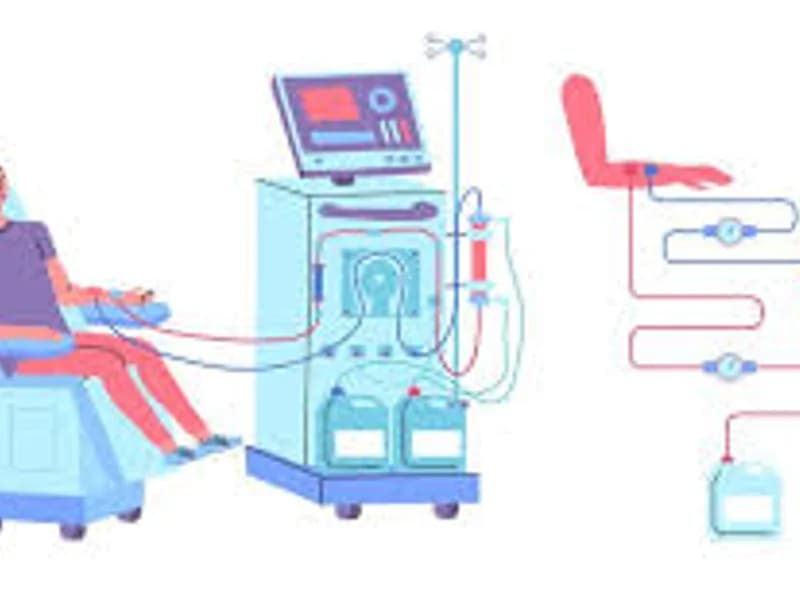
Finding Expert Dialysis Care in Kolkata
When faced with kidney failure, finding a reliable dialysis center is crucial. Kolkata offers many options for those needing renal replacement therapy. We understand this journey can be challenging, and choosing the right facility is a vital step towards better health.
Dialysis is a life-sustaining treatment that removes waste products and excess fluid from the blood when your kidneys can no longer perform these functions. Honestly, the thought of regular dialysis can be overwhelming. What should you actually do? This guide will help you navigate the choices available in Kolkata.
Understanding Dialysis Types
Two primary forms of dialysis are commonly available:
Hemodialysis (HD): This is the most frequent type. Blood is pumped from your body through an artificial kidney (dialyzer) to remove waste and extra fluid. It's typically done at a dialysis center, usually three times a week. Many of us have seen or experienced the routine of HD.
Peritoneal Dialysis (PD): This method uses the lining of your abdomen (peritoneum) and a dialysis solution to remove waste and fluid. PD can often be done at home, offering more flexibility. The reality is, home-based PD requires dedicated training and a suitable environment.
Key Factors When Choosing a Dialysis Center
Selecting the right dialysis center involves considering several important aspects:
Location and Accessibility
Proximity to your home or workplace is a key consideration. Frequent travel can be taxing, especially when you are feeling unwell. A center that is easily reachable enhances convenience.
Quality of Care and Staff Expertise
Look for centers staffed by experienced nephrologists and trained nursing professionals. Check if they adhere to international clinical standards, such as those recommended by the Indian Association of Nephrology (IAN).
Technology and Equipment
Modern, well-maintained dialysis machines are vital for safe and effective management. In many cases, centers that invest in the latest technology provide a superior patient experience.
Hygiene and Infection Control
Strict adherence to hygiene protocols is non-negotiable. Centers must maintain a sterile environment to prevent infections, a significant risk for dialysis patients. WHO guidelines on infection control are a reliable benchmark.
This is where most those affected struggle.
Patient Support Services
Beyond the management itself, consider centers offering nutritional counseling, social worker support, and patient education programs. These services aid improve overall well-being.
Leading Dialysis Centers in Kolkata
Kolkata boasts several reputable healthcare facilities offering dialysis services. While specific recommendations require a personal consultation, here are some well-regarded institutions known for their renal care:
Apollo Gleneagles Hospitals: Known for advanced medical technology and a multidisciplinary team.
Fortis Hospital: Offers comprehensive nephrology services with experienced specialists.
AMRI Hospitals: Multiple units across Kolkata providing reliable dialysis care.
Kothari Medical Centre: A long-standing institution with a strong reputation in patient care.
Peerless Hospital: Equipped with modern facilities and a dedicated renal unit.
A 2023 study published in The Lancet highlighted the importance of patient-centered care in dialysis centers, a philosophy embraced by many leading Indian hospitals.
Understanding Dialysis Costs
The cost of dialysis can vary significantly based on the type of dialysis, the number of sessions required, and the specific hospital or center. Practically speaking, it is essential to inquire about the all-inclusive charges, including medications and consumables.
Some government schemes and insurance plans may cover a portion of the costs for eligible individuals.
Living with kidney disease is genuinely hard, but access to quality dialysis can significantly enhance your quality of life. Think of it like servicing your car regularly to keep it running smoothly on the busy streets of Kolkata. Consistent, expert care makes all the difference.
Frequently Asked Questions
What are the common signs of kidney disease?
widespread indicators include changes in urination (frequency, color, presence of foam), swelling in the legs and feet, fatigue, and loss of appetite. Persistent high blood pressure can also be a sign.
How often is dialysis needed?
Most hemodialysis those affected require intervention three times a week for about three to four hours per session. Peritoneal dialysis schedules are often more flexible and can be daily or intermittent, depending on the method used.
This is where most individuals struggle.
Can I continue my normal diet during dialysis?
Dietary adjustments are crucial. sufferers typically need to limit sodium, potassium, phosphorus, and fluids. A specialized renal diet plan, often guided by a dietitian, is vital for managing your condition effectively.
What is the success rate of kidney transplants compared to dialysis?
Kidney transplants are generally considered more impactful and offer a better long-term prognosis than dialysis, as they can restore near-normal kidney function. However, transplants are not suitable for everyone, and dialysis remains a vital life-support therapy.
Medically reviewed by a qualified physician. Last updated April 2025. For informational purposes only.