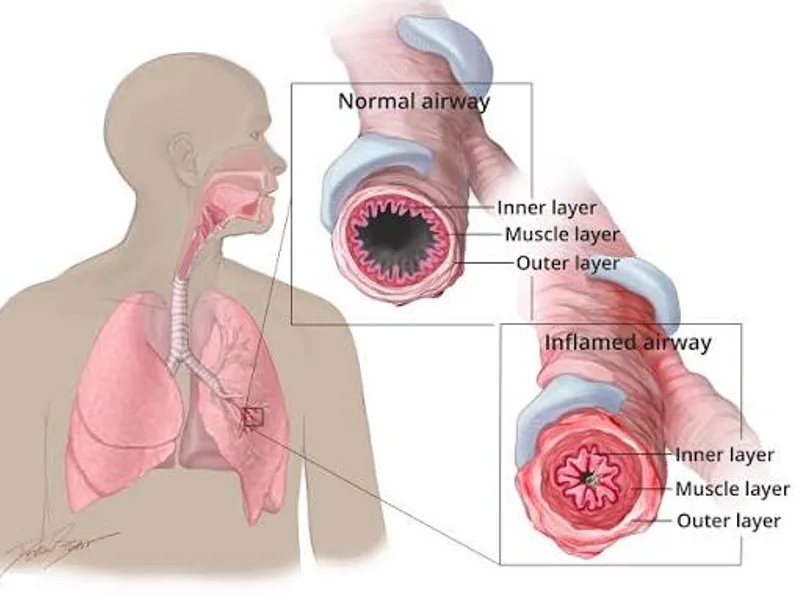
Asthma During Pregnancy: Staying Safe for You and Baby
Pregnancy affects asthma unpredictably — symptoms can get better, worse, or stay about the same, and it's hard to know in advance which way it will go. What is clear is that uncontrolled asthma poses more risk to a pregnancy than most asthma medications do. This article covers how asthma tends to ch

Asthma during pregnancy can improve, worsen, or remain unchanged, and the pattern is difficult to predict in advance. What's well established is that poorly controlled asthma carries more risk to both mother and baby than continuing appropriate asthma medication. Staying on a treatment plan, rather than stopping it out of caution, is generally the safer path.
How Pregnancy Affects Asthma Symptoms
Research on asthma during pregnancy generally shows a roughly even three-way split: symptoms improve in some, worsen in others, and stay stable in the rest. Symptoms are more likely to change in the second and third trimesters, and if asthma worsens, it often does so gradually rather than suddenly.
[REVIEWER: add clinical insight here — for example, what pattern you observe most often in your own patients, or how you counsel someone who's anxious about their asthma worsening as pregnancy progresses.]
Hormonal shifts, physical changes to lung capacity as the uterus expands, and increased blood volume all plausibly contribute to these changes, though exactly why symptoms shift differently from person to person isn't fully understood.
Why Uncontrolled Asthma Is the Bigger Risk
Poorly controlled asthma during pregnancy reduces oxygen delivery to the fetus, and has been associated with a higher risk of complications, including preeclampsia, preterm birth, and low birth weight. This is the central point clinical guidelines emphasize: undertreating asthma out of fear of medication risk tends to create more risk, not less.
For this reason, most asthma medications are considered appropriate to continue during pregnancy under medical supervision, rather than stopped preemptively.
Which Asthma Medications Are Generally Considered Safe
Medical guidelines generally support continuing standard asthma treatment during pregnancy, including:
Inhaled corticosteroids, considered the preferred long-term control medication during pregnancy
Short-acting beta-agonists (rescue inhalers), used as needed for symptom relief
Long-acting bronchodilators, typically continued if already part of an established treatment plan
Any medication changes, additions, or discontinuations should go through a doctor rather than being adjusted independently, since the goal is maintaining the level of control that was working before pregnancy, not necessarily switching medications.
[REVIEWER: add clinical insight here — for example, how you approach a patient who wants to reduce or stop their inhaled steroid once she learns she's pregnant, and what you tell her about the actual risk balance.]
Monitoring Asthma Throughout Pregnancy
Because asthma symptoms can shift throughout pregnancy, more frequent monitoring is often recommended, including:
Regular prenatal visits that specifically assess asthma control, not just pregnancy milestones
Tracking symptom frequency and rescue inhaler use
Using a peak flow meter at home, if recommended, to monitor lung function trends
Additional fetal monitoring, such as growth ultrasounds, in cases of moderate-to-severe asthma
This closer monitoring isn't a sign that something is wrong — it's a standard precaution given how variable symptoms can be during pregnancy.
Warning Signs That Need Immediate Attention
Certain symptoms during pregnancy require prompt medical evaluation rather than waiting for a scheduled appointment:
Shortness of breath that doesn't improve with a rescue inhaler
Reduced fetal movement alongside worsening asthma symptoms
Chest tightness that's new or significantly worse than usual
Needing a rescue inhaler far more frequently than normal
Any symptoms consistent with a severe asthma attack, such as difficulty speaking in full sentences
Because asthma symptoms and normal pregnancy discomforts like breathlessness can overlap, any new or escalating respiratory symptom is worth reporting rather than assuming it's a routine part of pregnancy.
Managing Triggers During Pregnancy
Trigger avoidance remains just as relevant during pregnancy, and in some cases more so, since respiratory infections and poor air quality carry added risk:
Getting a flu vaccine, which is recommended during pregnancy regardless of asthma status
Avoiding secondhand smoke and other airway irritants
Managing indoor allergens, such as dust and mold, especially if symptoms have been more reactive
Staying current with any prescribed environmental control measures already in place
Asthma and Labor
Most people with well-controlled asthma have uncomplicated labor and delivery, and asthma attacks during labor itself are uncommon. Hospitals typically continue a patient's usual asthma medications through labor, and any planned anesthesia or delivery approach can be adjusted with asthma control in mind if needed.
Postpartum Considerations
Asthma symptoms sometimes shift again after delivery, and it's worth continuing to monitor control in the months afterward rather than assuming pregnancy-related changes are permanent. Most standard asthma medications, including inhaled corticosteroids, are also considered compatible with breastfeeding.
FAQ
Is it safe to use an asthma inhaler while pregnant? Yes, for most standard inhalers. Inhaled corticosteroids and rescue inhalers are generally considered safe throughout pregnancy, and continuing them under medical supervision carries far less risk than letting asthma go uncontrolled.
Can asthma affect the baby during pregnancy? Uncontrolled asthma reduces oxygen delivery to the fetus and has been linked to higher risks of preterm birth and low birth weight. Well-managed asthma, on the other hand, is not associated with the same level of risk.
Does asthma get worse in the third trimester? For some people, yes — symptoms are more likely to shift during the second and third trimesters as lung capacity and hormone levels change. Others notice no change at all, and the pattern is difficult to predict individually.
Should I stop my asthma medication because I'm pregnant? No, not without talking to a doctor first. Stopping asthma medication independently increases the risk of poorly controlled symptoms, which poses more danger to the pregnancy than continuing an appropriate treatment plan.
Can asthma attacks happen during labor? Asthma attacks during labor are uncommon, especially with well-controlled asthma. Hospitals typically continue a patient's regular asthma medications throughout labor and delivery as a precaution.
Practical Takeaway
If you're pregnant and have asthma, the safest move isn't cutting back on medication — it's keeping your usual treatment plan going and telling your doctor about any change in symptoms, even a small one. Consistent control protects both of you more than caution around medication does.