Understanding Depigmentation: More Than Just Skin Deep
This dermatological disorder, known as vitiligo, is characterized by a loss of skin pigmentation. It results in distinct areas of the skin becoming devoid of their natural hue. For individuals navigating life with this pigmentary alteration, the experience can prove quite challenging, frequently affecting self-esteem and social interactions.
Across the Palamu region, many individuals are observed seeking dependable medical support for this particular issue. The underlying mechanism for this skin complaint involves the destruction of melanocytes, which are specialized cells responsible for producing melanin, the pigment that gives skin its color. While the physical manifestation of this ailment is typically not painful, its psychological and emotional impact on those affected can be profoundly significant.
Causes and Triggers of Pigment Loss
The precise etiology, or origin, of this pigmentary disorder is still not fully understood. Nevertheless, medical professionals largely concur that it represents an autoimmune disorder, a type of illness where the body's natural defense system erroneously targets its own healthy tissues. Specifically, in such instances, the body's immunological defenses incorrectly identify and attack melanocytes, leading to their destruction.
On top of that,, genetic predispositions are recognized as vital contributors; individuals with a familial background of the disorder face an elevated risk. It has been observed that environmental stressors such as intense sun exposure, physical trauma to the skin, or major emotional stress can, at times, initiate or exacerbate the characteristic depigmented areas in genetically predisposed individuals. Other environmental elements, including certain types of chemical exposure, are also under scrutiny as potential contributing factors.
That's the part worth remembering.
Prevalence of Pigmentary Changes in India and Palamu
This pigmentary disorder affects approximately 1-2% of the global population. Within India, this figure can be considerably higher, with estimates suggesting around 8 million people are living with the condition.
The Palamu district, much like other geographical areas, experiences its share of residents dealing with this particular dermatological issue. Data collected by the Indian Council of Medical Research (ICMR) consistently underscores the widespread nature of various dermatological concerns throughout the nation.
Diagnosing Depigmentation: A Medical Perspective
For physicians with ample experience, arriving at a diagnosis for this depigmenting ailment is typically straightforward. A thorough visual examination of the skin serves as the primary diagnostic step. Occasionally, a Wood's lamp examination, which involves the use of ultraviolet illumination, assists in pinpointing lighter skin areas that might not be readily apparent under standard ambient illumination.
In exceptionally rare circumstances, a skin biopsy may be performed to definitively confirm the diagnosis and to differentiate it from other dermatological concerns. Dermatologists trained at institutions like AIIMS possess the expertise to conduct precise diagnostic evaluations for such pigmentary variations.
Most people overlook this completely.
Therapeutic Approaches for Skin Repigmentation in Palamu
Effective management strategies for this skin disorder aim to restore the natural color of the skin and to halt the progression of further depigmentation. Several therapeutic options are accessible within the Palamu region, each meticulously tailored to address the specific requirements of the individual patient.
Topical Applications
For milder manifestations of the disorder, dermatologists frequently prescribe topical corticosteroids or calcineurin inhibitors. These pharmaceutical creams and ointments are designed to diminish inflammation and hold the potential to encourage repigmentation of the affected skin.
Consistent and diligent application is imperative to achieve optimal therapeutic outcomes.
Photomedicine
Phototherapy, particularly Narrowband UVB (NB-UVB), stands as a well-established and highly reliable method of intervention. This modality employs specific wavelengths of ultraviolet radiation to stimulate the melanocytes.
Sessions involving this form of therapy are typically administered a few times per week, always under expert medical supervision, at reputable clinical facilities. The World Health Organization (WHO) frequently recommends this approach for individuals dealing with pigment loss.
This is where most patients struggle.
Excimer Laser Therapy
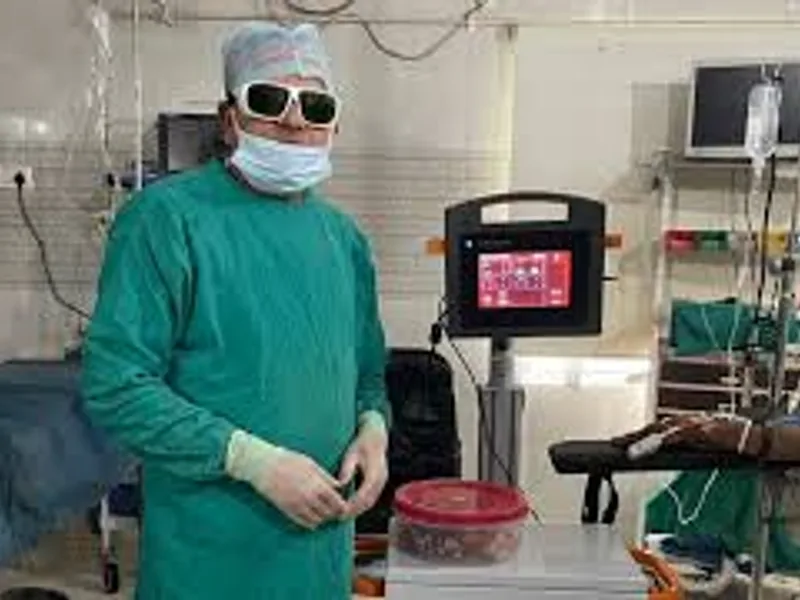
A more focused form of photo-based therapy, the excimer laser, can yield very impactful results. It delivers a high-intensity beam of ultraviolet radiation directly to the depigmented areas.
This precise technique proves especially beneficial for smaller, localized regions and often produces repigmentation more rapidly than conventional phototherapy.
Surgical Interventions
In scenarios where the loss of pigment is stable and confined to specific areas, surgical procedures may be given consideration. These interventions involve meticulously grafting healthy skin from unaffected parts of the body onto the depigmented sites.
Specialized procedures, such as melanocyte transplantation, are carried out by highly skilled and experienced specialists.
Cosmetic Camouflage and Makeup
While not providing a permanent cure, the application of cosmetic camouflage can significantly enhance an individual's self-assurance. Specially formulated makeup products are available to effectively conceal the depigmented areas, thereby enabling individuals to feel more comfortable and confident in various social environments.
This offers a practical and immediate solution for visible pigment differences.
Locating Dermatological Specialists in Palamu
Identifying qualified dermatologists within the Palamu district is fundamental to receiving appropriate medical care for pigmentary disorders. people should seek out physicians who possess extensive experience in managing such skin conditions.
Many specialists affiliated with local hospitals or private clinics offer advanced therapeutic approaches for this particular skin issue. Consulting with a medical professional from a prestigious institution like AIIMS can provide people with access to the most current and cutting-edge knowledge in the field.
And yet, so many people miss it.
Lifestyle and Home Care for Pigment Loss
Beyond prescribed medical interventions, certain adjustments to one's lifestyle can significantly bolster overall skin health. Protecting the skin from excessive exposure to the sun's rays is absolutely crucial. Sunscreens offering a high SPF (Sun Protection Factor) are indispensable, given that sunburn can exacerbate areas of pigment loss.
While no specific dietary cures have been scientifically validated, a well-balanced diet rich in antioxidants may contribute to overall dermal well-being. On top of that,, it is important to recognize that effectively managing stress levels is also pivotal, as stress can indeed influence autoimmune responses.
The Psychological Impact of Pigmentary Changes
The emotional burden associated with this skin disorder cannot be overstated. Many individuals affected by the visible changes in their skin experience heightened levels of anxiety and may develop depression.
Engaging with support groups and seeking professional counseling services can provide invaluable emotional assistance. Open communication with your treating physician regarding these emotional and psychological feelings is strongly encouraged.
Recovery is rarely linear.
Future Directions in Depigmentation Research
Scientific inquiry into the mechanisms and management of this pigmentary disorder is continuously advancing. Researchers are actively exploring novel targeted therapies, which include immunomodulators—substances that modify the immune system—and potential repigmentation agents.
The overarching objective is to develop therapeutic strategies that are both more proven and act more rapidly. Breakthroughs in understanding the genetic underpinnings and immunological aspects of this skin ailment promise increasingly brighter prospects for those affected.
Key Takeaways
- Vitiligo is an autoimmune disorder leading to skin depigmentation.
- Therapeutic options encompass a range from topical creams to phototherapy and surgical procedures.
- Shielding the skin from sun exposure is critical; always use high SPF sunscreen.
- Psychological support is an essential component for individuals living with this skin ailment.
- Consulting experienced dermatologists in Palamu ensures an accurate diagnosis and appropriate medical management.
Frequently Asked Questions
Can skin depigmentation be completely reversed?
While a complete reversal of this pigmentary disorder isn't always attainable, a variety of therapeutic approaches can effectively manage the issue. For many individuals, repigmentation is achievable, leading to marked improvements in both appearance and overall quality of life.
Is this skin ailment transmissible?
No, this particular dermatological concern is not contagious. It cannot be transmitted through physical skin-to-skin contact. The disorder originates from internal physiological factors, primarily the immune system's dysregulated response.
And yet, so many people miss it.
What dietary considerations are vital for those with pigment loss?
There is no scientifically validated list of specific foods that should be avoided by individuals with this skin disorder. Generally, maintaining a balanced and nutritious diet is recommended. While some anecdotal reports suggest avoiding sour foods, this lacks substantial clinical evidence.
How long do repigmentation therapies typically take to show results?
The timeline for therapeutic outcomes varies considerably among different interventions. Certain therapies, such as the excimer laser, might demonstrate initial results within a matter of weeks.
Conversely, other approaches, including topical applications or phototherapy, can require several months to a year or even longer to produce noticeable repigmentation.
Always consult a qualified physician before making medical decisions.