Understanding Pigmentation Loss: More Than Just Skin Deep
A chronic autoimmune disorder impacting skin pigmentation, vitiligo arises when the body's immune system mistakenly targets melanocytes—the specialized cells responsible for generating melanin, the pigment providing skin with its characteristic color. This process leads to the formation of white areas on the skin. Across India, this ailment is widely recognized as ‘safed daag’ or ‘leukoderma’. Healthcare professionals frequently observe many individuals seeking effective management for this dermatological issue.
Though not contagious, this pigmentary change can profoundly affect an individual's self-esteem and overall quality of life. Living with depigmentation can be genuinely challenging, and the psychological burden often proves substantial. Fortunately, advancements in clinical science have introduced various therapeutic approaches. The key takeaway is that powerful management becomes achievable with appropriate guidance.
Prevalence of Pigmentation Loss in India
The occurrence of this depigmentation disorder varies globally, yet it represents a significant dermatological concern within India. Estimates suggest that approximately 2-3% of the Indian populace is affected by the ailment, translating to millions of people. For instance, the Indian Journal of Dermatology has highlighted its considerable presence. This widespread occurrence underscores the critical demand for accessible, specialized care centers for this skin issue across the nation, including in cities like Dhanbad.
Causes and Triggers of Pigmentation Changes
The precise origin of vitiligo remains unclear, but experts widely believe it stems from a complex interplay of genetic and environmental factors. Autoimmunity is a primary suspect, where the body's immune system malfunctions. In practical terms, this means the body's own defense system turns against itself. Potential triggers include considerable stress, sunburn, or exposure to certain chemicals. While genetics certainly play a part, not every individual with a family history develops the disorder.
Manifestations and Diagnosis
The primary indicator of vitiligo is the development of depigmented (white) areas on the skin. These spots can emerge anywhere on the body, varying in size and configuration. Over time, they may also enlarge. Occasionally, these affected regions can extend to the mucous membranes (such as the inside of the mouth) or even involve the hair and eyes.
Physicians typically diagnose this skin disorder through a thorough physical examination. Often, a dermatoscope is employed to better visualize the extent of the pigment loss. In certain instances, a skin biopsy might be conducted to exclude other dermatological conditions. Early diagnosis is pivotal for initiating timely and proven care. For individuals, this signifies that prompt consultation can lead to improved outcomes.
Therapeutic Approaches for Pigmentation Loss in Dhanbad
impactful management of vitiligo in Dhanbad involves a multi-pronged strategy. The primary objective is to halt or slow the progression of depigmentation and, where possible, restore lost pigment. It is crucial to recognize that the success of therapy varies considerably among individuals. Factors such as the extent and duration of the pigmentary changes, age, and adherence to the care plan all play meaningful roles.
Clinical Interventions
Several clinical interventions are available, with their selection depending on the type and severity of the depigmentation disorder.
- Topical Corticosteroids: These agents often serve as the first line of therapy for localized pigment loss. They help diminish inflammation and may stimulate repigmentation. Their application necessitates careful oversight by a dermatologist to prevent adverse effects like skin thinning.
- Topical Calcineurin Inhibitors (TCIs): Medications such as tacrolimus and pimecrolimus are also utilized, particularly for sensitive regions like the face and neck. They function by suppressing the immune response within the skin.
- Phototherapy (Light Therapy): This represents a highly impactful method for widespread vitiligo. It involves exposing the skin to specific wavelengths of ultraviolet (UV) light under controlled circumstances. Narrowband UVB (NB-UVB) therapy is the most common form. AIIMS (All India Institute of Medical Sciences) frequently recommends phototherapy for suitable candidates. This regimen typically requires multiple sessions over several months.
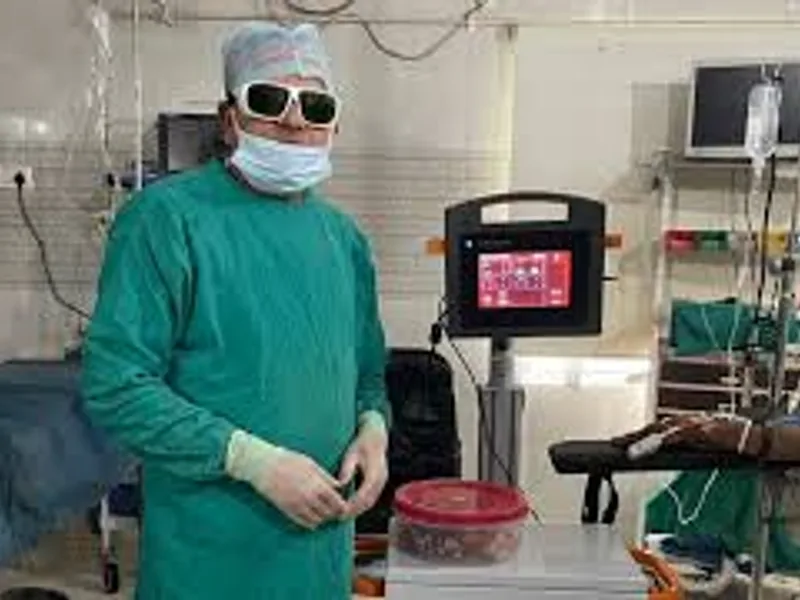
- Excimer Laser: Similar to phototherapy, the 308 nm excimer laser specifically targets depigmented skin areas. It delivers a higher intensity of UV light directly to the affected regions, potentially leading to quicker improvements for localized depigmentation.
- Systemic Therapies: For extensive or rapidly progressing pigmentary changes, oral medications like corticosteroids or other immunosuppressants might be considered. These are administered cautiously due to potential systemic side effects and demand close supervision by a specialist.
Surgical Procedures
When clinical interventions do not yield satisfactory outcomes, surgical options can be explored for stable vitiligo (where the white areas are not spreading).
- Skin Grafting: This procedure entails transplanting small pieces of pigmented skin from a healthy donor site (typically the thigh or buttocks) to the depigmented regions. Techniques include punch grafting and split-thickness grafting.
- Melanocyte Transplantation: In this advanced procedure, melanocytes are harvested from a healthy pigmented area of the patient's skin and cultured in a lab before being transplanted onto the areas of pigment loss.
Camouflage Techniques
While not a therapeutic approach for the ailment itself, camouflage offers an immediate cosmetic solution. Specialized makeup or skin camouflage products can effectively cover the white spots, helping to restore self-assurance. Many individuals find this method incredibly helpful for daily life.
Locating Specialists in Dhanbad
Dhanbad boasts a growing number of qualified dermatologists and skin specialists experienced in managing vitiligo. When seeking professional care, look for physicians who are:
- Board-certified in dermatology.
- Affiliated with reputable hospitals or clinics.
- Proficient in utilizing modern therapeutic modalities such as phototherapy and laser interventions.
- Recommended by other patients or healthcare professionals.
A thorough consultation serves as your essential first step. Discuss your health history, the progression of your depigmentation, and your expectations with the specialist. They will then formulate a personalized care plan tailored to your specific requirements. Remember, patience is crucial, as most interventions require time to demonstrate improvements. The World Health Organization (WHO) emphasizes a patient-centered approach for chronic health issues like vitiligo.
Managing Pigmentation Loss: Lifestyle and Diet
While clinical therapies are paramount, certain lifestyle adjustments can support overall skin health and well-being.
- Sun Protection: Depigmented skin is highly vulnerable to sunburn. Always use broad-spectrum sunscreen with a high SPF (30 or higher), wear protective clothing, and seek shade during peak sun hours.
- Diet: No specific diet is known to cure vitiligo, but a balanced intake rich in antioxidants, vitamins (especially B12, D), and minerals (like copper and zinc) benefits overall skin health. Some anecdotal evidence suggests avoiding certain foods might assist some individuals, but robust scientific support is limited. Focus on whole foods. India has a rich tradition of Ayurvedic principles, which sometimes offer dietary advice, though this should complement, not replace, conventional clinical care.
- Stress Management: Since stress can be a trigger or exacerbate the depigmentation, incorporating stress-reducing activities like yoga, meditation, or mindfulness can prove beneficial.
The Emotional Aspect of Pigmentation Loss
It is crucial to acknowledge the emotional toll that vitiligo can inflict. Social stigma and self-consciousness are frequently experienced. Support groups, counseling, and open communication with loved ones can provide immense emotional backing. Many those affected find solace in connecting with others who understand their personal journey. Remember, you are not alone in this. Several organizations in India are dedicated to raising awareness and providing support for those affected by this skin disorder.
Key Takeaways
- Vitiligo is an autoimmune disorder causing white areas on the skin, affecting approximately 2-3% of the Indian population.
- Care options include topical medications, phototherapy (like NB-UVB), laser therapy, and surgical procedures such as skin grafting.
- Finding a qualified dermatologist in Dhanbad experienced in managing pigmentary changes is crucial for personalized care.
- Sun protection, a balanced diet, and stress management are important lifestyle factors supporting vitiligo care.
- Emotional support and awareness play a vital role in managing the psychosocial impact of this skin disorder.
Always consult a qualified physician before making health-related decisions.
Frequently Asked Questions
Can vitiligo spread to other parts of my body?
Vitiligo can spread as the pigment loss progresses, leading to new white areas appearing. However, the rate of spread varies greatly among individuals. Early and consistent care can benefit manage and potentially slow down the progression.
Is depigmentation curable?
Currently, there is no definitive cure for vitiligo that guarantees complete pigment restoration for everyone. However, various therapies can aid repigment the skin and manage the ailment effectively. Many people achieve marked improvement with appropriate care.
Can I eat rice if I have vitiligo?
Dietary restrictions for vitiligo are not strictly defined by clinical consensus. Rice, as a staple in many Indian diets, is generally considered safe. Focusing on a balanced, nutrient-rich diet is more meaningful than eliminating specific food groups without clinical advice.
How long does vitiligo care take to show improvements?
The timeline for observing improvements from vitiligo care can vary widely. It may take several months of consistent therapy, such as phototherapy or topical applications, before noticeable repigmentation occurs. Patience and adherence to the care plan are essential.
That alone changes everything.