Understanding Super Speciality Hospitals in Latehar
Accessing top-tier medical care for complex health issues can be a significant challenge. For residents of Latehar and surrounding areas, the emergence of super speciality hospitals marks a vital advancement in healthcare accessibility.
These institutions are designed to handle conditions requiring highly specialised knowledge and advanced technology. Think about it this way: they are the apex of medical expertise, focusing on specific organ systems or disease categories.
Key Super Speciality Departments
Super speciality hospitals typically house several distinct departments, each dedicated to a particular field of medicine. This focused approach ensures that patients receive care from physicians with deep expertise in their specific condition.
Cardiology: Heart Health Excellence
Cardiology departments address diseases of the heart and blood vessels. This includes conditions like coronary artery disease, heart failure, and arrhythmias. Advanced diagnostic tools such as angiography and echocardiography are standard.
The numbers don't lie.
Procedures like angioplasty and bypass surgery are performed by experienced cardiac surgeons. The American Heart Association (AHA) emphasizes timely intervention for cardiac events, a principle these units uphold.
Honestly, heart conditions can be frightening. We often see those affected who delay seeking help due to distance or perceived cost. However, early detection significantly boosts treatment success rates. India has a substantial burden of cardiovascular diseases, with estimates suggesting millions are affected annually.
Neurology: Brain and Nervous System Care
Neurology focuses on disorders of the brain, spinal cord, and nerves. Conditions treated include stroke, epilepsy, Parkinson's disease, and multiple sclerosis. Sophisticated imaging like MRI and CT scans are crucial for diagnosis. Treatments range from medication management to complex neurosurgical interventions.
Here's the thing — neurological disorders can profoundly impact a person's quality of life. Prompt diagnosis and appropriate therapy are key to managing symptoms and preventing progression.
What should you actually do if you experience sudden weakness or speech difficulty? Seek immediate medical attention; these could be signs of a stroke, a medical emergency.
Oncology: Fighting Cancer
Oncology departments provide comprehensive care for cancer people. This involves diagnosis, staging, and management planning. Therapies include chemotherapy, radiation therapy, immunotherapy, and targeted drug treatments. Multidisciplinary teams collaborate to create personalised care plans.
The numbers don't lie.
Living with cancer is genuinely hard. The emotional and physical toll is immense. However, advancements in oncology have led to more effective treatments and improved survival rates for many cancers. Early detection remains a crucial factor in achieving better outcomes, as highlighted by the Indian Council of Medical Research (ICMR).
Nephrology: Kidney Health Specialists
Nephrology deals with kidney diseases. This includes chronic kidney disease (CKD), kidney stones, and hypertension-related kidney damage. Treatments often involve dialysis (haemodialysis and peritoneal dialysis) and, in severe cases, kidney transplantation. Physicians here work to preserve kidney function and manage associated complications.
In real-world terms, kidney disease can often progress silently in its early stages. Regular health check-ups are vital, especially for individuals with diabetes or high blood pressure, which are major risk factors for CKD. India reports a marked number of people requiring renal replacement therapy each year.
Gastroenterology: Digestive System Expertise
Gastroenterology addresses disorders of the digestive tract, including the stomach, intestines, liver, and pancreas. Conditions like inflammatory bowel disease (IBD), ulcers, and liver cirrhosis are managed here. Endoscopy and colonoscopy are common diagnostic procedures.
That's the part worth remembering.
Critical Care and Emergency Services
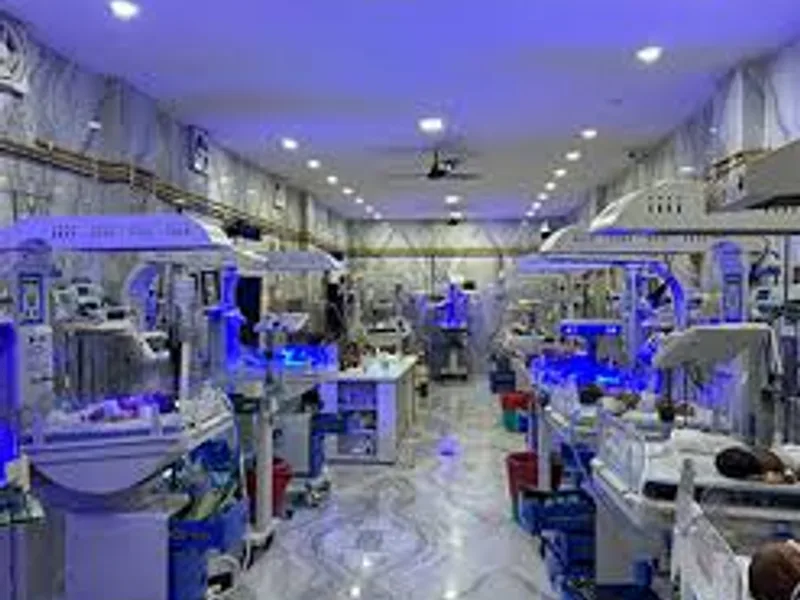
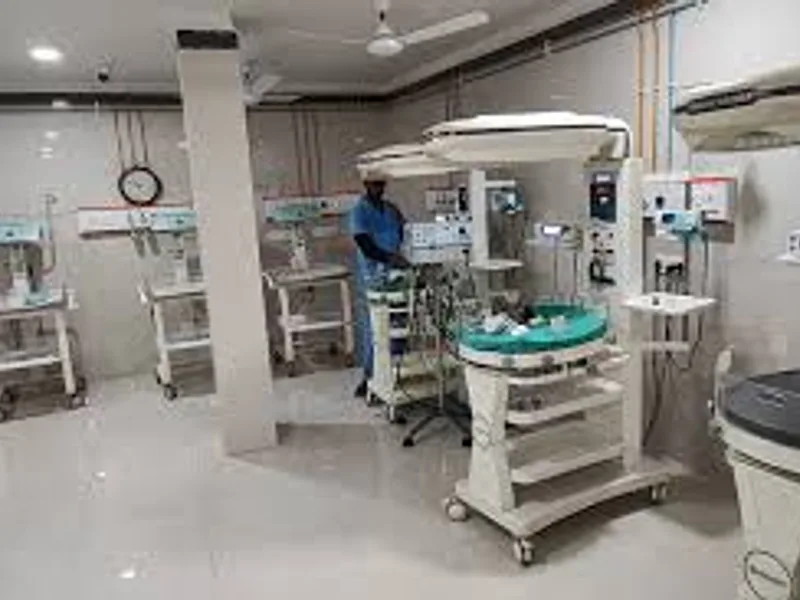
These hospitals also boast robust critical care units (ICUs) and emergency departments. They are equipped to handle medical emergencies, trauma, and critically ill sufferers requiring intensive monitoring and support. The World Health Organization (WHO) guidelines stress the importance of well-equipped ICUs for reducing mortality.
Advanced Technology and Infrastructure
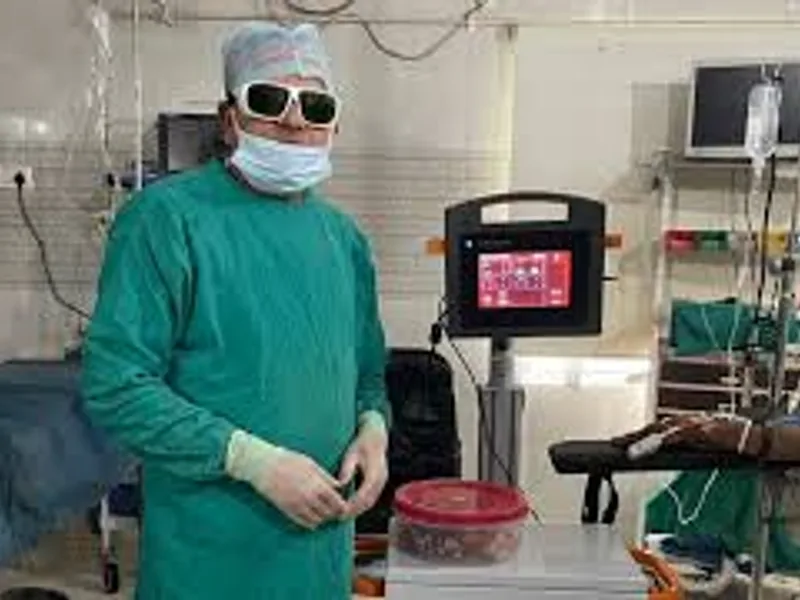
Super speciality hospitals are defined by their state-of-the-art technology. This includes advanced diagnostic imaging equipment, modern operation theatres, and sophisticated laboratory facilities.
Such infrastructure enables physicians to perform complex procedures with greater precision and safety. For instance, robotic surgery is becoming increasingly available for certain procedures, offering minimally invasive options.
The Role of Experienced Medical Professionals
Beyond technology, the presence of highly skilled and experienced medical professionals is paramount. These institutions attract specialists who have undergone extensive training, often with international experience. Many of us have experienced the reassurance that comes from being treated by a doctor who is a recognised expert in their field.
How serious is this really? When dealing with life-threatening conditions, the expertise of the medical team can be the difference between recovery and a poor outcome. These specialists often contribute to medical research, bringing the latest evidence-based practices to patient care, aligning with standards set by institutions like AIIMS.
This is where most individuals struggle.
Benefits for Latehar Residents
The establishment of super speciality facilities in Latehar offers several key advantages:
- Reduced Travel Time: people no longer need to travel long distances to major cities for specialised therapy. This is crucial for emergencies and for individuals with mobility issues.
- Improved Health Outcomes: Access to advanced diagnostics and expert care leads to more accurate diagnoses and reliable treatments, thereby enhancing patient recovery.
- Cost Savings: While specialised care can be costly, reducing travel and accommodation expenses associated with seeking intervention elsewhere can lead to overall savings for families.
- Enhanced Local Healthcare Ecosystem: These hospitals contribute to the overall development of healthcare infrastructure in the region, potentially attracting more medical talent.
Navigating Your Healthcare Journey
If you or a loved one requires specialised medical attention, understanding your options is the first step. Speak with your primary care physician about potential referrals.
Inquire about the specific services offered by the super speciality hospitals in Latehar. Many hospitals provide patient support services to assist navigate the complexities of approach and insurance.
Remember, proactive health management is key. Regular check-ups and screenings can aid detect potential issues early, when they are most treatable. The Lancet has consistently published studies underscoring the importance of preventative care.
Patient Experience Spotlight
Consider the case of Mr. Sharma, a retired teacher from a village near Latehar. He experienced persistent chest pain, initially dismissing it as indigestion. His family insisted he visit the newly opened cardiology unit at a local super speciality hospital.
Diagnostic tests revealed severe blockages requiring immediate intervention. Thanks to the prompt care and expertise of the cardiac team, Mr. Sharma underwent a successful angioplasty and is now recovering well, able to spend more time with his grandchildren. This story exemplifies the life-changing impact of accessible advanced medical care.
Looking Ahead: The Future of Specialised Care
The growth of super speciality hospitals in areas like Latehar signifies a positive trend towards equitable healthcare distribution in India. As technology advances and more specialists become available, we can expect even more sophisticated treatments to become accessible locally.
Here's where it gets interesting.
This continued development promises to strengthen the nation's healthcare resilience.
Key Takeaways
- Super speciality hospitals in Latehar offer advanced medical care for complex conditions.
- Key departments include cardiology, neurology, oncology, nephrology, and gastroenterology.
- These facilities provide access to cutting-edge technology and highly experienced specialists.
- Benefits include reduced travel, improved health outcomes, and potential cost savings for people.
- Early detection and consultation with specialists are crucial for managing serious illnesses.
Frequently Asked Questions
What is the difference between a multi-speciality and a super speciality hospital?
A multi-speciality hospital offers many kinds of medical services across various departments. A super speciality hospital focuses on a few specific, highly complex medical fields, requiring advanced technology and highly specialised doctors.
Can I get approach for prevalent ailments at a super speciality hospital?
While super speciality hospitals are equipped for complex cases, they also typically have departments that can manage prevalent ailments. However, for routine health issues, primary care physicians or general hospitals might be more appropriate and cost-powerful.
How do I find the right super speciality doctor for my problem in Latehar?
Consult your primary care physician for a referral. You can also research the hospitals directly, looking at their listed specialists and their credentials. Reading patient reviews can offer additional insights into doctor expertise and hospital care quality.
Are super speciality treatments always very expensive?
Specialised treatments can be costly due to advanced technology and expert personnel. However, many hospitals offer financial counselling, and insurance coverage is often available. Comparing costs and exploring all available options is advisable.
That's the part worth remembering.
Always consult a qualified physician before making medical decisions.