Understanding Highly Specialized Healthcare Facilities in Deoghar
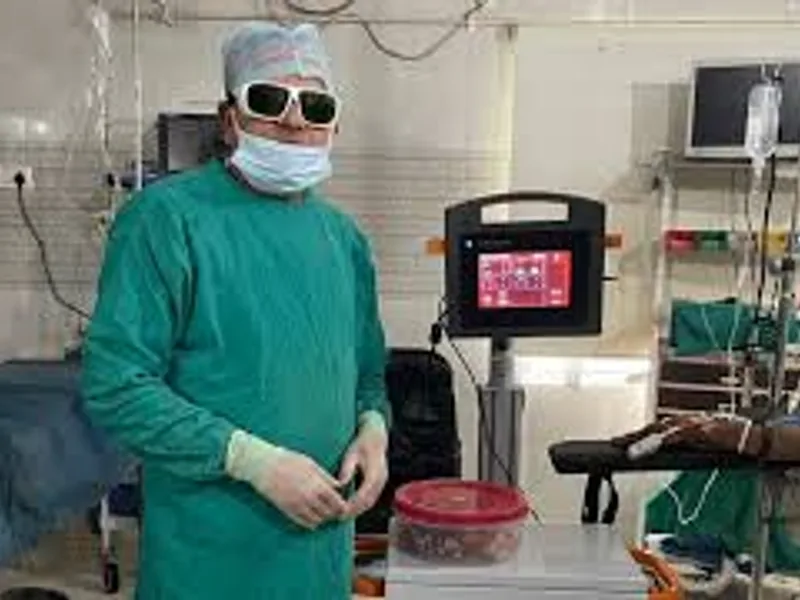
Within the healthcare landscape, a highly specialized healthcare facility signifies the pinnacle of clinical proficiency and sophisticated technology. For residents of Deoghar and its surrounding regions, the presence of such establishments marks a crucial development. These institutions are specifically designed to address the most intricate and uncommon health conditions, providing focused care that extends beyond general clinical practice. To illustrate, while a general medical center offers a broad spectrum of services, a specialized institution concentrates intensely on particular organ systems or disease categories.
Often overlooked is the critical function these centers fulfill in delivering tertiary and quaternary care—the highest echelons of clinical intervention. In practical terms, this translates to accessing highly specialized diagnostic instruments and therapeutic approaches, which are frequently unavailable in standard healthcare environments. The establishment of a specialized healthcare facility in Deoghar represents a significant stride in making sophisticated healthcare solutions locally accessible, thereby lessening the necessity for patients to undertake lengthy journeys for vital treatments.
Why Opt for a Highly Specialized Healthcare Facility?
Selecting the appropriate healthcare provider becomes paramount when confronting a serious health issue. Highly specialized institutions consolidate a wealth of expertise and resources. Their indispensability stems from several key aspects:
- Highly Specialized Clinical Teams: These centers employ physicians who have undergone extensive additional training, known as fellowships, in specific clinical areas such as cardiology, neurology, oncology, or nephrology. Their profound knowledge facilitates precise diagnosis and customized treatment strategies for complex diseases. For example, a neurosurgeon at such an establishment possesses unparalleled proficiency in performing operations on the brain and spinal cord.
- Sophisticated Technology and Equipment: Cutting-edge diagnostic and therapeutic apparatus defines these facilities. This includes advanced imaging technologies (such as 3T MRI or PET scans), robotic surgical systems, and state-of-the-art intensive care units (ICUs). Such technology is crucial for accurate diagnosis and minimally invasive procedures, which consistently lead to improved patient outcomes.
- Integrated Care Pathways: From the initial diagnosis through intricate surgery and long-term rehabilitation, these specialized institutions deliver integrated care. Multidisciplinary teams collaborate to make sure every aspect of a patient’s health is addressed comprehensively. This coordinated strategy is proven to enhance recovery and elevate the quality of life for affected individuals.
- Focus on Rare and Complex Diseases: While general medical centers manage common ailments, these specialized facilities are equipped to diagnose and manage rare genetic disorders, late-stage cancers, complex cardiac arrhythmias, and severe neurological conditions. Their expertise is frequently sought for second opinions and challenging presentations.
This specialization arises from the demands of modern clinical practice. The intricate nature of diseases like severe cardiac insufficiency or complex neurological disorders necessitates a depth of knowledge and specific tools that are simply not practical in a standard medical facility. Such focused expertise enables a more effective approach to intervention.
Key Specialized Departments in Deoghar
Highly specialized institutions typically house numerous departments, each dedicated to a distinct clinical domain. In Deoghar, residents can anticipate access to:
Cardiology and Cardiothoracic Surgery
Cardiac health constitutes a primary concern. This department addresses conditions such as coronary artery disease, heart failure, arrhythmias, and congenital heart defects. Available procedures range from angioplasty and stenting to complex bypass surgeries and valve replacements. The Indian Heart Association (IHA) guidelines emphasize the importance of early intervention for cardiovascular diseases, a capability these centers are well-equipped to provide.
Neurology and Neurosurgery
This clinical area focuses on the brain, spinal cord, and nerves. Individuals experiencing strokes, epilepsy, Parkinson's disease, multiple sclerosis, brain tumors, and spinal injuries receive expert care here. Sophisticated neuroimaging and minimally invasive surgical techniques are vital for treating these delicate conditions. The rapidity with which neurological damage can become permanent underscores the absolute criticality of timely, focused intervention.
Nephrology and Urology
Renal function and the urinary tract fall under the purview of this department. Treatments encompass the management of chronic kidney disease (CKD), kidney transplants, dialysis, and various urological disorders. For instance, sophisticated dialysis methods and the surgical proficiency required for kidney transplantation represent critical services. The World Health Organization (WHO) advocates for robust kidney care programs, which these facilities aim to establish.
Oncology
Cancer care is a notable area of concentration. Specialized cancer centers offer comprehensive cancer management, including pharmacological cancer therapy (chemotherapy, immunotherapy), surgical oncology, and radiation therapy. Cutting-edge diagnostic equipment, such as PET-CT scans, aids in precise staging and care planning. The National Cancer Institute (NCI) highlights the advantages of integrated cancer care teams, a standard practice within these centers.
Gastroenterology and Hepatology
This department manages disorders affecting the digestive system, liver, and pancreas. Conditions like inflammatory bowel disease (IBD), liver cirrhosis, pancreatitis, and gastrointestinal cancers are managed here. Sophisticated endoscopic procedures, such as ERCP and EUS, are frequently performed. Coping with chronic digestive issues presents genuine challenges, and expert care can markedly enhance an individual's quality of life.
Critical Care and Emergency Services
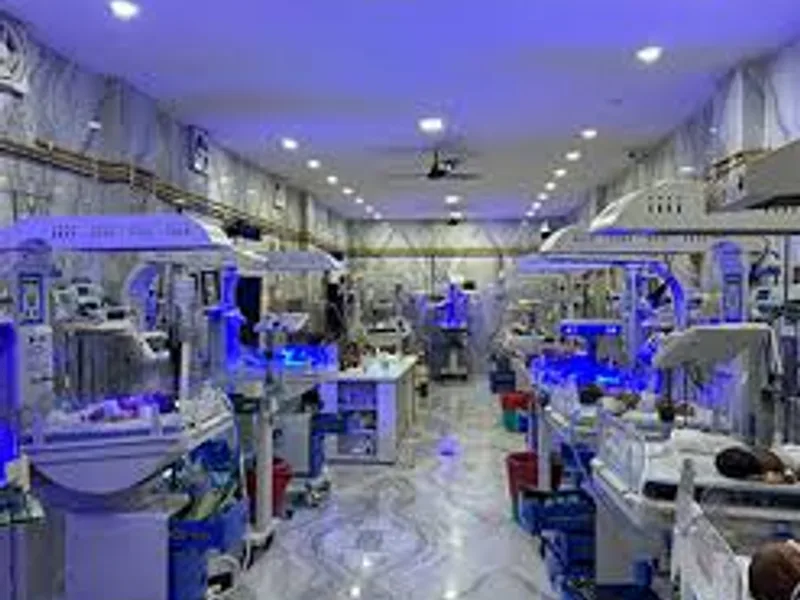
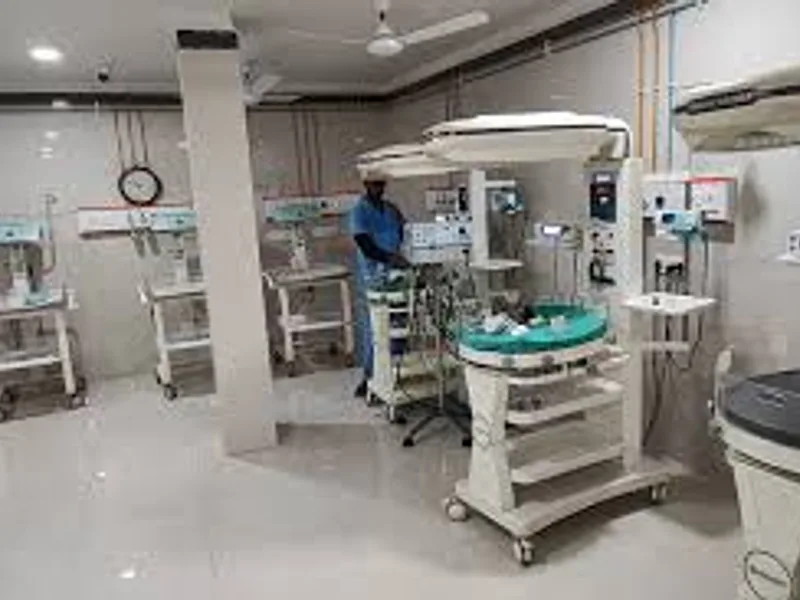
In situations where every second counts, a well-equipped critical care unit (CCU) or intensive care unit (ICU) is indispensable. These specialized institutions maintain state-of-the-art ICUs capable of managing multi-organ failure, severe trauma, and post-operative complications. Rapid response teams and round-the-clock specialist availability ensure immediate, expert intervention during emergencies.
Other Specialized Clinical Areas
Depending on the particular facility, other vital highly focused departments may include pulmonology (lung diseases), endocrinology (hormone disorders), rheumatology (joint and autoimmune diseases), and complex orthopedic procedures (such as complex joint replacements, spine surgery). India accounts for 77 million diabetics (IDF, 2023), emphasizing the importance of endocrine care.
The Impact on Deoghar's Healthcare Ecosystem
The presence of a highly specialized medical center in Deoghar exerts a transformative influence. It elevates the overall standard of healthcare delivery within the region. Residents are no longer compelled to travel to distant metropolitan cities for sophisticated therapies, saving them time, financial resources, and considerable emotional strain. This enhanced accessibility proves particularly vital for critical conditions where timeliness is paramount.
In practical terms, this translates to more rapid access to life-saving procedures for cardiac events or strokes. It means families can remain cohesive throughout challenging health journeys. The economic impact is also favorable, generating skilled employment opportunities and attracting clinical professionals to the area. On top of that,, it cultivates a culture of cutting-edge clinical methods and research within the local community. sufferers frequently express immense relief upon discovering that specialized care is available in close proximity to their homes.
Patient Experience and Outcomes
When individuals require highly specialized approach, their experience holds paramount importance. These centers strive to deliver not merely clinical intervention but also compassionate support. From the moment of admission, dedicated care coordinators often guide people and their families through the entire process. The emphasis remains on clear communication, ensuring an understanding of intervention options, and maximizing comfort.
Consequently, this translates to a healthcare journey that is as seamless and reassuring as possible during a difficult period. Studies published in reputable journals like
The Lancet consistently demonstrate that patient-centered care, when combined with sophisticated clinical approaches, leads to significantly superior health outcomes and heightened patient satisfaction. The integration of technology, such as telemedicine for follow-up appointments, further enhances the patient experience, making ongoing care more convenient.
Navigating Your Healthcare Choices
When confronted with a complex health diagnosis, comprehending your available options is fundamental. A specialized medical facility in Deoghar provides a high degree of expertise and extensive resources. Nevertheless, it is always prudent to discuss your specific circumstances with your primary care physician or a specialist.
They can assist you in understanding:
- The nature of your condition and the available intervention pathways.
- Whether highly focused management is indeed necessary for your particular needs.
- The potential benefits and risks associated with cutting-edge treatments.
Remember, informed decision-making constitutes the initial step toward reliable healthcare. The overarching objective is always to attain the best possible outcome for your health and well-being. Individuals are encouraged to be active participants in their healthcare journey.
Frequently Asked Questions
What is the distinction between a general medical center and a highly specialized medical facility?
A general medical center provides a broad spectrum of healthcare services for frequent illnesses and injuries. A highly specialized medical facility concentrates on specific, complex health conditions that necessitate doctors with advanced specializations and sophisticated equipment, such as complex cardiac care or neurosurgery.
Is a referral required to visit a highly specialized medical facility?
While some individuals may be referred by their general physician, many specialized institutions also accept direct appointments, particularly for critical care or specific consultations. It is advisable to verify the facility's policy or contact their outpatient department.
Are highly specialized services more expensive?
Generally, the sophisticated technology, specialized equipment, and extensively trained personnel mean highly specialized services can incur greater costs than general medical center services. However, many facilities offer various payment options, and insurance coverage is frequently available for these treatments.
Can a highly specialized medical facility manage emergencies?
Yes, most specialized institutions are equipped with state-of-the-art emergency departments and intensive care units (ICUs) to handle critical health emergencies, often with specialists available around-the-clock.
It sounds simple. It rarely is.
Key Takeaways:
- Specialized healthcare institutions provide highly focused care for complex health conditions.
- They employ specialists with extensive training and use cutting-edge technology.
- Key departments include cardiology, neurology, oncology, and critical care.
- The availability of such facilities locally enhances healthcare access and outcomes for residents.
- Always consult a qualified physician before making health decisions.