Introduction: Why Spaying Your Dog Matters
As responsible pet owners, we constantly seek ways to ensure our beloved companions live long, healthy, and happy lives. One of the most significant decisions you'll make for your female dog's well-being is choosing to spay her. Spay surgery, medically known as ovariohysterectomy, is a routine veterinary procedure that involves surgically removing a female dog's ovaries and uterus. This article delves into every aspect of dog spay surgery, from its numerous health and behavioral benefits to the procedure itself, post-operative care, potential risks, and common misconceptions. Understanding this crucial intervention empowers you to make an informed choice that positively impacts your dog's life and contributes to broader pet welfare.
What is Spay Surgery (Ovariohysterectomy)?
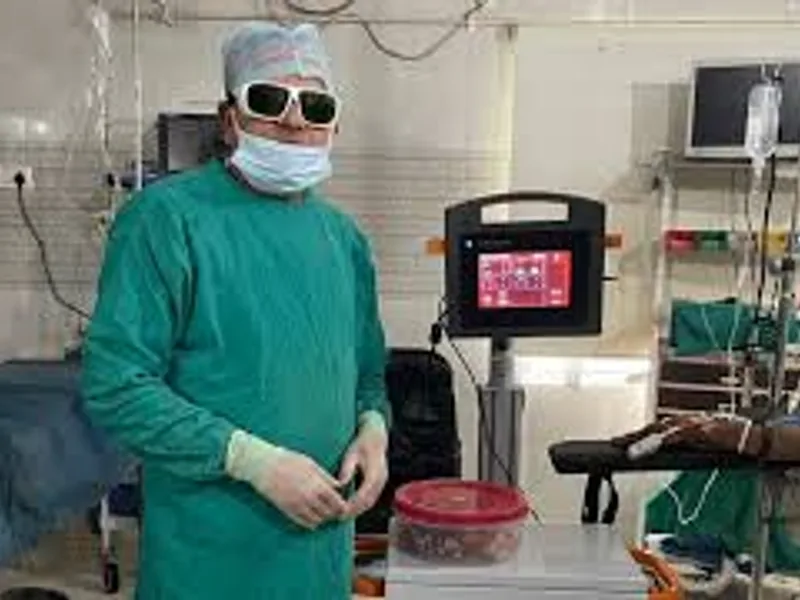
Ovariohysterectomy is the medical term for the surgical removal of both the ovaries and the uterus. It is a permanent form of birth control for female dogs, preventing them from becoming pregnant and eliminating their heat cycles. While it sounds complex, it is one of the most common surgical procedures performed in veterinary medicine. The surgery is typically performed under general anesthesia by a licensed veterinarian in a sterile surgical environment. The goal is to remove the reproductive organs entirely, thus preventing the production of eggs and reproductive hormones, which are responsible for heat cycles and the potential for pregnancy.
The Surgical Process: A Glimpse
- Anesthesia: Your dog will be given sedatives and then an anesthetic to ensure she is completely unconscious and feels no pain during the procedure.
- Incision: A small incision is made on the abdomen, usually just below the navel.
- Organ Removal: The veterinarian carefully locates and removes the ovaries and uterus.
- Closure: The surgical site is closed in layers, typically with dissolvable sutures internally and skin sutures or surgical glue externally.
The Profound Benefits of Spaying Your Dog
The decision to spay goes far beyond simply preventing unwanted litters. It offers a multitude of health and behavioral advantages for your dog, making it a cornerstone of preventative veterinary care.
Health Benefits: Protecting Against Serious Diseases
Spaying significantly reduces or eliminates the risk of several life-threatening conditions:
- Eliminates Pyometra: Pyometra is a severe and often fatal uterine infection that affects unspayed female dogs, particularly as they age. It involves the uterus filling with pus, leading to systemic infection, kidney failure, and sepsis. Spaying completely removes the uterus, making pyometra impossible. This condition is a medical emergency requiring immediate surgery, which is often more complicated and costly than a routine spay.
- Prevents Mammary Gland Tumors (Breast Cancer): Studies show that dogs spayed before their first heat cycle have a significantly reduced risk (less than 0.5%) of developing mammary gland tumors, which are cancerous in about 50% of cases. The risk increases with each subsequent heat cycle. Early spaying removes the hormonal influence that contributes to the development of these tumors.
- Prevents Ovarian and Uterine Cancers: By removing these organs, the risk of developing cancers specific to the ovaries and uterus is entirely eliminated. While less common than mammary tumors, these cancers can be aggressive and difficult to treat.
- Eliminates Heat Cycles: Heat cycles (estrus) typically occur every 6-12 months and can last for several weeks. During this time, female dogs attract intact male dogs, can be messy, and often exhibit behavioral changes such as restlessness, vocalization, and increased urination. Spaying ends these cycles, bringing peace of mind to both the dog and the owner.
- Reduces Risk of Vaginal Tumors and Cysts: While less common, spaying can reduce the incidence of certain non-cancerous growths and cysts related to the reproductive system.
Behavioral Benefits: A Calmer, More Predictable Companion
Spaying can also lead to positive changes in your dog's behavior:
- Reduced Urge to Roam: Unspayed females in heat are driven by instinct to find a mate, often leading them to escape yards and put themselves at risk of traffic accidents, fights with other animals, or getting lost. Spaying eliminates this powerful urge.
- Decreased Aggression: While not a cure-all for aggression, some studies suggest that spaying can reduce hormonally-driven aggressive behaviors, especially towards other female dogs.
- Less Marking and "Spotting": Female dogs in heat may urinate more frequently or mark territory, and they will also have bloody discharge, which can be messy indoors. Spaying eliminates these behaviors.
- More Consistent Temperament: The hormonal fluctuations associated with heat cycles can cause mood swings. Spaying often results in a more stable and predictable temperament.
Societal Benefits: Addressing Pet Overpopulation
Beyond individual benefits, spaying plays a crucial role in addressing the global crisis of pet overpopulation. Millions of healthy, adoptable animals are euthanized each year in shelters due to a lack of homes. Spaying your dog prevents unwanted litters, reducing the burden on animal shelters and contributing to a more humane society.
When is the Optimal Time to Spay Your Dog?
The timing of spay surgery is a topic that has evolved in veterinary medicine, with various factors influencing the recommended age. Traditionally, spaying was often recommended before the first heat cycle, typically around 5-6 months of age. However, recent research suggests a more nuanced approach.
Traditional Recommendation: Before First Heat
For most dogs, especially smaller breeds, spaying before the first heat cycle (around 5-6 months) is still commonly recommended. This timing offers the greatest protection against mammary tumors and completely prevents pyometra. At this age, puppies are usually healthy, anesthesia risks are low, and recovery is often swift.
Emerging Considerations: Larger Breeds and Joint Health
For larger and giant breeds, some veterinarians now advocate for delaying spaying until after they have reached skeletal maturity, sometimes between 12-18 months of age, or even later. The rationale behind this is the potential impact of sex hormones on bone growth and joint development. Some studies suggest that early spaying in certain large breeds might slightly increase the risk of orthopedic issues like hip dysplasia or cranial cruciate ligament tears due to the absence of hormones that influence growth plate closure. However, this is a complex area with ongoing research, and the benefits of early spaying (especially cancer prevention) must be weighed against these potential risks.
Factors to Discuss with Your Veterinarian:
- Breed and Size: Discuss the specific recommendations for your dog's breed.
- Individual Health: Any pre-existing health conditions may influence timing.
- Lifestyle: If your dog has unsupervised access to intact male dogs, early spaying might be a safer choice.
- Risk of Pyometra/Mammary Cancer: The preventative benefits are strongest with early spaying.
Always consult with your veterinarian to determine the best spaying timeline for your individual dog, considering her breed, size, health, and lifestyle.
Preparing for Spay Surgery: What to Expect
Proper preparation is key to a smooth surgical experience and recovery for your dog.
Pre-Operative Care: Ensuring Safety
- Pre-Surgical Examination: Your veterinarian will perform a thorough physical exam to ensure your dog is healthy enough for surgery.
- Blood Work: Pre-anesthetic blood tests are crucial. They assess organ function (liver, kidneys), blood cell counts, and clotting ability, helping to identify any underlying issues that could increase anesthetic risk.
- Fasting: You will be instructed to withhold food for a specific period (usually 8-12 hours) before surgery to prevent vomiting during or after anesthesia, which can lead to aspiration pneumonia. Water is usually permitted until a few hours before the procedure.
- Medications: Discuss any current medications your dog is taking with your vet.
The Day of Surgery: What Happens at the Clinic
When you drop off your dog, the veterinary team will:
- Confirm fasting instructions and your contact information.
- Administer pre-anesthetic medications to help relax your dog and provide initial pain relief.
- Place an intravenous (IV) catheter for fluid administration (to maintain hydration and blood pressure) and easy access for emergency medications.
- Induce general anesthesia.
- Monitor vital signs (heart rate, respiration, blood pressure, oxygen saturation, temperature) continuously throughout the procedure.
- Prepare the surgical site by shaving the abdomen and meticulously sterilizing the skin.
The Spay Procedure: Step-by-Step
The ovariohysterectomy is a precise surgical operation.
- Anesthetic Induction and Monitoring: Your dog is fully anesthetized, intubated (a tube placed in the windpipe to deliver anesthetic gas and oxygen), and connected to monitoring equipment.
- Surgical Incision: A sterile surgical drape is placed, and the veterinarian makes an incision, typically 1-3 inches long, on the midline of the abdomen.
- Ligation of Ovarian Ligaments: The ovaries are carefully located. The blood vessels supplying the ovaries and the ovarian ligaments are clamped, tied off (ligated) with sutures, and then severed.
- Uterine Horns and Body Ligation: The uterine horns are traced down to the uterine body. The blood supply to the uterus and the uterine body itself are ligated and severed.
- Removal of Organs: The entire uterus and both ovaries are removed from the abdominal cavity.
- Inspection and Closure: The surgeon inspects the surgical site for any bleeding. The abdominal wall is then closed in multiple layers using absorbable sutures. The skin is closed with sutures, staples, or surgical glue.
Some clinics also offer laparoscopic spays, which involve smaller incisions and the use of a camera and specialized instruments. This minimally invasive technique may result in less pain and a faster recovery for some dogs, but it is not available at all veterinary practices and may be more costly.
Post-Operative Care and Recovery: Ensuring a Smooth Healing Process
The recovery period is crucial for your dog's healing and comfort. Your active participation in following post-operative instructions is vital.
Immediate Post-Surgery: At the Clinic
After surgery, your dog will be moved to a recovery area where veterinary staff will:
- Monitor her as she wakes up from anesthesia.
- Keep her warm and comfortable.
- Administer pain medication to manage discomfort.
- Watch for any signs of complications.
Most dogs are discharged the same day as surgery, once they are fully awake and stable.
At-Home Recovery: The First 10-14 Days
The typical recovery period lasts approximately 10-14 days, during which time the incision site heals and internal sutures dissolve.
- Restrict Activity: This is perhaps the most critical instruction. Your dog must be kept calm and quiet. No running, jumping, rough play, or going up and down stairs. Short, leashed walks for potty breaks are usually permitted. Excessive activity can lead to internal bleeding, fluid accumulation (seroma), or incision breakdown.
- Incision Site Care:
- Monitor Daily: Check the incision site at least twice a day for any signs of redness, swelling, discharge, excessive bruising, or opening. A small amount of swelling or redness is normal initially.
- Keep Clean and Dry: Do not allow your dog to lick or chew the incision. This is where an Elizabethan collar (E-collar or "cone of shame") becomes indispensable. Keep it on at all times, especially when unsupervised. Licking can introduce bacteria, lead to infection, and cause the incision to reopen.
- No Bathing: Avoid bathing your dog until the incision is fully healed and sutures are removed (if non-dissolvable) or after the vet gives approval.
- Pain Management: Your veterinarian will prescribe pain medication (e.g., NSAIDs, opioids) to be given at home. Administer these exactly as directed, even if your dog seems comfortable, as pain can be internal and not always obvious.
- Medications: If antibiotics are prescribed, ensure your dog completes the entire course.
- Nutrition and Hydration: Offer small amounts of food and water when you get home. Some dogs may have a reduced appetite or mild nausea initially due to anesthesia. If vomiting persists or appetite doesn't return within 24-48 hours, contact your vet.
- Comfort: Provide a clean, comfortable, quiet space for your dog to rest.
- Follow-up Appointment: A follow-up visit, typically 10-14 days post-op, is often scheduled to remove external sutures (if applicable) and ensure proper healing.
Potential Risks and Side Effects of Spaying
While spay surgery is generally safe, as with any surgical procedure, there are potential risks and side effects.
Surgical and Anesthetic Risks:
- Anesthetic Complications: Though rare, these can include adverse reactions to drugs, respiratory issues, or cardiac problems. Pre-operative blood work and careful monitoring significantly reduce these risks.
- Bleeding: Hemorrhage during or after surgery is a rare but serious complication.
- Infection: Bacterial infection at the incision site or internally can occur, though sterile techniques and antibiotics minimize this risk.
- Suture Reaction or Breakdown: In some cases, the body may react to the suture material, or the incision may open (dehiscence), requiring further veterinary attention.
Long-Term Side Effects:
Some potential long-term effects are occasionally observed, though often manageable:
- Weight Gain: Spaying can lead to a decrease in metabolic rate and an increase in appetite due to hormonal changes. This can be managed by adjusting diet and ensuring adequate exercise. It's not inevitable but requires owner vigilance.
- Urinary Incontinence: In a small percentage of spayed female dogs, particularly larger breeds, urinary incontinence (leaking urine) can develop later in life. This is thought to be related to hormonal changes and can often be managed with medication.
- Changes in Coat Texture: Some dogs, particularly long-haired breeds, may experience changes in their coat texture, becoming softer or duller. This is usually cosmetic.
- Increased Risk of Certain Cancers (Rare): While spaying dramatically reduces the risk of mammary, ovarian, and uterine cancers, some studies suggest a slight, increased risk of certain other less common cancers (e.g., osteosarcoma, hemangiosarcoma) in specific breeds if spayed very early. The overall consensus among veterinarians remains that the benefits of spaying far outweigh these rare and often breed-specific risks for the vast majority of dogs.
It's important to discuss these potential risks with your veterinarian and understand how they apply to your specific dog.
Myths and Misconceptions About Spaying
Many myths persist about spaying that can deter owners from making this beneficial choice for their pets.
"My dog needs to have one litter before being spayed."
Fact: There is no medical or behavioral benefit to a female dog having a litter before being spayed. In fact, delaying spaying until after a litter or a heat cycle increases the risk of mammary tumors and pyometra.
"Spaying will make my dog fat."
Fact: Spaying can lower a dog's metabolism, but weight gain is primarily due to overfeeding and lack of exercise. By adjusting food intake and maintaining an active lifestyle, spayed dogs can easily maintain a healthy weight.
"Spaying will change my dog's personality."
Fact: Spaying will primarily eliminate hormonally-driven behaviors like seeking mates, roaming, and heat-related irritability. It will not alter her fundamental personality, intelligence, or playfulness. If anything, it can lead to a calmer, more consistent temperament.
"It's unnatural to spay a dog."
Fact: While it is a surgical intervention, the benefits of spaying in preventing severe diseases and addressing pet overpopulation far outweigh any argument about "naturalness." In a domestic setting, spaying is a responsible and humane choice.
When to See a Veterinarian After Spay Surgery
While most spay recoveries are straightforward, it's crucial to know when to seek immediate veterinary attention. Contact your vet if you observe any of the following:
- Excessive Bleeding or Discharge: Any active bleeding or pus-like discharge from the incision site.
- Severe Swelling or Redness: Significant or rapidly worsening swelling, redness, or heat around the incision.
- Incision Opening: If the incision starts to open or you can see underlying tissues.
- Lethargy or Weakness: Persistent extreme tiredness, inability to stand, or unresponsiveness beyond the first 24 hours post-anesthesia.
- Persistent Vomiting or Diarrhea: More than one or two episodes, or if it continues beyond the first day.
- Loss of Appetite or Refusal to Drink: If your dog refuses to eat or drink for more than 24-48 hours.
- Fever: If your dog's gums are pale or white, or if she feels unusually hot or cold.
- Excessive Pain: Whimpering, reluctance to move, aggression when touched near the incision, or any signs of severe discomfort not managed by prescribed pain medication.
- Difficulty Urinating or Defecating: Straining or complete inability to pass urine or stool.
- Dislodged E-collar: If your dog manages to remove or damage her Elizabethan collar and potentially lick the incision.
Do not hesitate to call your veterinarian if you have any concerns, no matter how small they may seem. Early intervention can prevent minor issues from becoming major complications.
Frequently Asked Questions (FAQs) About Dog Spay Surgery
How long does the spay surgery take?
Typically, a routine spay surgery takes between 20 to 60 minutes for the actual surgical procedure, depending on the dog's size, age, and whether she is in heat or pregnant. However, the entire process, including pre-anesthetic preparation and post-surgical recovery at the clinic, can take several hours.
How long is the recovery period for a spayed dog?
The immediate recovery from anesthesia is usually within a few hours. The full recovery period, during which the incision heals and internal sutures dissolve, is generally 10 to 14 days. During this time, strict activity restriction and incision monitoring are crucial.
Will my dog gain weight after being spayed?
Spaying can lead to a decrease in metabolic rate, meaning your dog might require slightly fewer calories. If their diet and exercise regimen remain the same, they might gain weight. This can be easily managed by adjusting their food intake and ensuring they get regular exercise.
Is spay surgery painful for my dog?
Your dog will be under general anesthesia during the procedure and will feel no pain. Post-operatively, veterinarians provide effective pain management protocols, including pain medications administered at the clinic and prescribed for home use, to keep your dog comfortable during recovery.
What if my dog is already in heat when she gets spayed?
While it's generally recommended to spay a dog before her first heat, it is possible to spay a dog who is in heat or has recently been in heat. However, the surgery is more complex, takes longer, and carries a higher risk of bleeding due to increased blood flow to the reproductive organs. Your veterinarian will discuss these increased risks with you.
What is the cost of spay surgery?
The cost of spay surgery can vary significantly based on your location, the veterinary clinic, the dog's size, age, and any pre-existing conditions. It typically includes the surgery itself, anesthesia, pain medication, IV fluids, and post-operative care. It's best to call your local veterinary clinics for an estimate.
Are there alternatives to surgical spaying?
Currently, surgical ovariohysterectomy is the most common and effective method for spaying female dogs. While chemical sterilization methods exist for males in some regions, they are not widely available or approved for females in most places. The benefits of surgical spaying for disease prevention are also unmatched by non-surgical methods.
Conclusion: A Responsible Choice for a Healthier Future
Spaying your female dog is a profound act of responsible pet ownership that offers a wealth of benefits, both for your individual companion and for the broader animal community. From preventing life-threatening diseases like pyometra and mammary cancer to mitigating undesirable behaviors and contributing to the fight against pet overpopulation, the advantages are clear and compelling. By understanding the procedure, preparing for recovery, and being aware of potential signs of complications, you can ensure your dog experiences a smooth, safe, and ultimately life-enhancing transition. Always consult with your trusted veterinarian to tailor the best approach for your dog's unique needs and embark on this journey toward a healthier, happier future together.
Sources / Medical References
- American Veterinary Medical Association (AVMA)
- American Animal Hospital Association (AAHA)
- Veterinary Surgical Specialists publications
- Reputable university veterinary teaching hospitals (e.g., Cornell, UC Davis)