Understanding Kidney Stones (Pathri) in Bhagalpur
Kidney stones, commonly known as 'pathri' in India, are a significant health concern affecting many individuals across the country, including Bhagalpur. These hard deposits, formed from minerals and salts in the urine, can cause severe pain and complications if left untreated. We often see patients presenting with excruciating flank pain, which can radiate to the lower abdomen and groin. The reality is, kidney stones can develop in any part of your urinary tract – kidneys, ureters, bladder, or urethra. Identifying the right 'pathri ka ilaj' in Bhagalpur is crucial for timely relief and preventing further damage.
What Causes Kidney Stones?
Several factors contribute to the formation of kidney stones. Dehydration is a primary culprit; insufficient fluid intake allows minerals to concentrate and crystallize. A diet high in sodium, protein, and oxalate-rich foods (like spinach and chocolate) can also increase risk. In many cases, genetic predisposition plays a vital role. Certain medical conditions, such as hyperparathyroidism, gout, and inflammatory bowel diseases, also elevate the likelihood of developing stones. Understanding these causes is the first step toward effective prevention and management.
Recognizing the Symptoms of Pathri
The hallmark symptom of a kidney stone is intense pain, often described as sharp and cramping. This pain typically begins in the side and back, below the ribs, and may spread to the lower abdomen and groin. What should you actually do? Other common indicators include:
- Pain that comes in waves and fluctuates in intensity.
- Pain or burning sensation during urination.
- A persistent urge to urinate.
- Urinating more often than usual.
- Pink, red, or brown urine (hematuria), indicating blood.
- Cloudy or foul-smelling urine.
- Nausea and vomiting, especially during severe pain episodes.
Honestly, these signs should never be ignored. Prompt medical attention can significantly ease discomfort and prevent complications.
Kidney Stone Treatment Options in Bhagalpur
Bhagalpur offers a range of medical facilities and specialists equipped to handle kidney stone cases. The chosen approach for 'pathri ka ilaj' depends heavily on the stone's size, location, type, and the patient's overall health. Practically speaking, smaller stones may pass on their own with increased fluid intake and medication.
Conservative Management for Small Stones
For stones smaller than 5 mm, physicians often recommend conservative management. This involves:
- Increased Fluid Intake: Drinking 2-3 liters of water daily helps flush out the urinary system. This is a cornerstone of natural stone expulsion.
- Pain Relief: Over-the-counter pain relievers like ibuprofen or naproxen can manage discomfort. Stronger prescription pain medication may be necessary for severe pain.
- Medical Expulsive Therapy (MET): Medications like alpha-blockers (e.g., Tamsulosin) can help relax the ureter, enabling stones to pass more easily.
Living with the pain of kidney stones is genuinely hard, but these measures can offer considerable relief. What's the bottom line here? Early intervention is key.
Advanced Therapies for Larger Stones
When stones are too large to pass naturally, or cause marked obstruction and infection, more advanced treatments are required. Bhagalpur's healthcare providers offer several proven options:
Extracorporeal Shock Wave Lithotripsy (ESWL)
ESWL is a non-invasive procedure that uses focused high-energy sound waves (shock waves) to break the stone into smaller fragments. These fragments can then be passed through the urinary tract more easily. This approach, widely available, is often preferred for stones located in the kidney or upper ureter. Recovery is generally quick, though multiple sessions might be needed.
Ureteroscopy
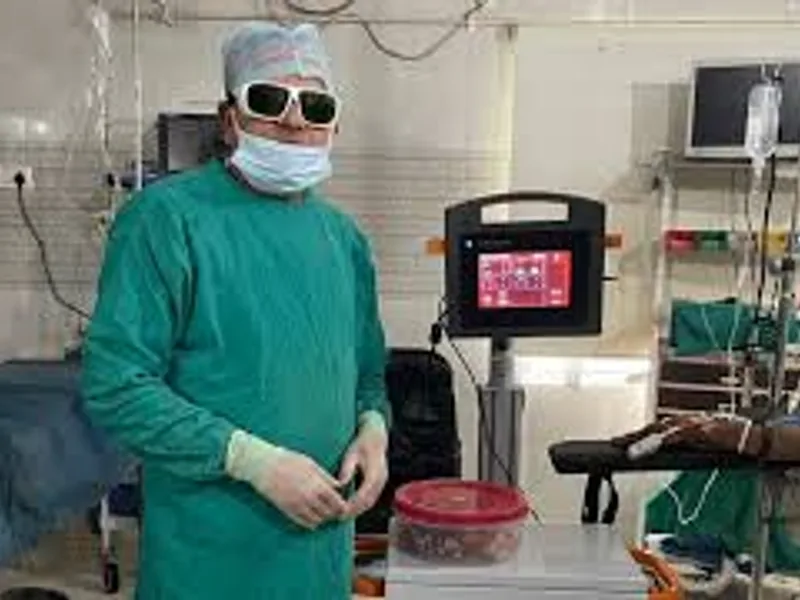
This procedure involves inserting a thin, flexible tube with a camera (ureteroscope) through the urethra and bladder into the ureter or kidney. Small stones can be directly removed with a tiny basket, or larger stones can be broken up using a laser. Ureteroscopy is highly reliable for stones in the ureter and kidney. Post-procedure, a temporary stent might be placed to ensure proper drainage.
Percutaneous Nephrolithotomy (PCNL)
For very large or complex kidney stones, PCNL is often the most impactful approach. It involves making a small incision (about 1 cm) in the back to access the kidney directly. A specialized instrument is then used to break up and remove the stone. This method allows for the removal of larger stone burdens in a single session, though it requires a slightly longer recovery period compared to ESWL or ureteroscopy.
Open Surgery
While significantly less widespread now due to advancements in minimally invasive techniques, open surgery might still be considered for extremely large or unusually located stones, or when other methods fail. This involves a larger incision to remove the stone directly from the kidney or ureter.
Finding the Right Specialist in Bhagalpur
Choosing the right healthcare provider is vital for reliable 'pathri ka ilaj'. Look for urologists or nephrologists with experience in treating kidney stones. Hospitals like Jawaharlal Nehru Medical College and Hospital (JLNMCH), Bhagalpur, and other well-equipped private clinics often house specialists trained in these advanced procedures. Consider factors like:
- Physician's qualifications and experience.
- Hospital's technological infrastructure.
- Patient reviews and testimonials.
- Accessibility and post-intervention care.
Consulting with a qualified specialist ensures you receive a personalized intervention plan tailored to your specific condition.
Preventing Kidney Stones: Lifestyle Adjustments
Prevention is always better than cure. Simple lifestyle changes can significantly reduce the possibility of developing kidney stones:
- Stay Hydrated: Aim for at least 2-3 liters of water daily, especially in Bhagalpur's warm climate. Urine should be light yellow.
- Dietary Modifications: Reduce sodium intake. Moderate protein consumption. Discuss oxalate intake with your doctor if you're prone to calcium oxalate stones.
- Maintain a Healthy Weight: Obesity is linked to an increased danger of kidney stones.
- Limit Certain Foods: Be mindful of high-oxalate foods if advised by your physician.
Implementing these changes can strengthen your body's defenses against stone formation. What should you actually do? Start small, perhaps by adding an extra glass of water each day.
Frequently Asked Questions
Can I eat rice if I have kidney stones?
Yes, rice is generally considered safe for individuals with kidney stones. It is low in sodium and purines. However, moderation is always advised, and it's best to consult with your doctor or a dietitian regarding your specific dietary needs based on the type of kidney stone you have.
How long does kidney stone therapy take in Bhagalpur?
The duration of management varies significantly. Small stones treated with medication may pass within days or weeks.
Procedures like ESWL or ureteroscopy often involve a single outpatient visit, with full recovery taking a few days to a couple of weeks. Larger stones requiring PCNL may necessitate a hospital stay of a few days and a recovery period of 2-4 weeks.
Are home remedies powerful for kidney stones?
While some home remedies like increased water intake and certain herbal teas are often recommended to aid passage and prevention, they are generally not sufficient for larger stones or severe cases. Relying solely on home remedies without medical guidance can be risky.
Always seek professional medical advice for diagnosis and intervention of kidney stones.
What is the cost of kidney stone approach in Bhagalpur?
The cost of kidney stone management in Bhagalpur can range widely depending on the type of procedure, the hospital or clinic chosen, and the specialist's fees. Non-invasive treatments like medication and ESWL are generally less expensive than procedures like ureteroscopy or PCNL.
Here's where it gets interesting.
It is advisable to get detailed cost estimates from the healthcare facility directly.
Always consult a qualified physician before making medical decisions.