Minimally Invasive Versus Traditional Abdominal Myomectomy for Uterine Growths: A Comparative Analysis
Uterine fibroids, or leiomyomas, are common, non-cancerous growths that develop within the uterus. When symptoms become severe, an intervention is frequently recommended. Two primary surgical approaches exist for their excision: minimally invasive myomectomy and open myomectomy (excision of these benign tumors).
Making an informed choice between these methods is vital for the healing process and overall results. While both procedures seek to eliminate the growths, their execution varies considerably.
Consider this analogy: selecting a medical procedure is akin to choosing a path. One path represents a well-established route with a clear trail, whereas the alternative, though less visible, involves smaller incisions and frequently results in faster advancement.
Understanding the Procedures
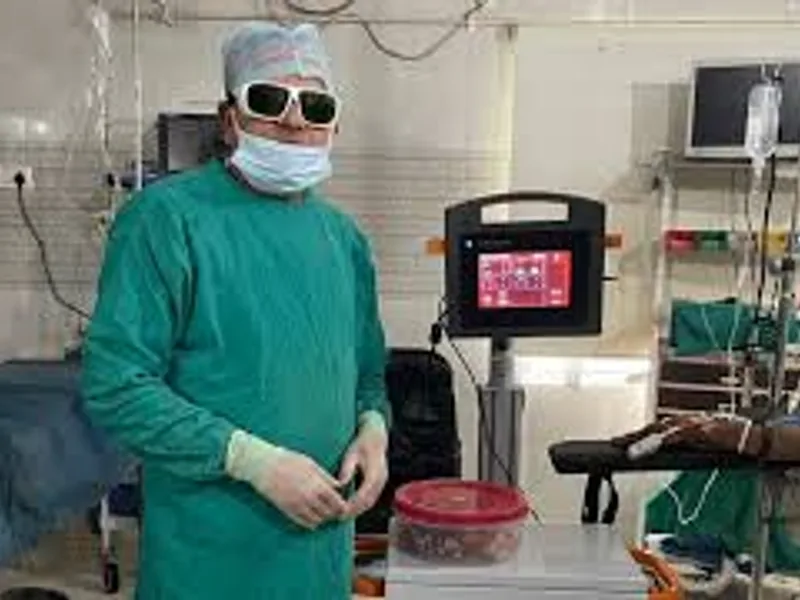
Minimally Invasive Myomectomy: This is a keyhole procedure. Multiple small incisions, commonly referred to as keyholes, are made in the abdominal area. Through these ports, a laparoscope—a slender tube equipped with a camera—along with specialized instruments, gains access. Magnified images are relayed to a monitor by the camera, allowing the practitioner to perform with utmost accuracy. It’s akin to performing intricate work through small openings, much like a skilled artisan creating delicate carvings.
Traditional Abdominal Myomectomy: A laparotomy, as it is also known, entails a more substantial incision in the abdomen. Practitioners gain direct access to the uterus through this conventional method. For exceptionally large or numerous uterine growths, or when other medical circumstances demand an expanded field of vision, this approach is frequently employed. This technique remains relevant in certain scenarios.
Key Differences and Advantages
Benefits of Minimally Invasive Procedures:
- Minimally noticeable scars (frequently almost imperceptible).
- Less discomfort after the procedure.
- Decreased duration of hospitalization.
- Quicker resumption of daily routines.
- Reduced likelihood of acquiring an infection.
Benefits of Traditional Abdominal Myomectomy:
- Unrestricted visual access and maneuverability.
- Essential for managing intricate situations.
- In certain environments, it might present a lower cost, although this point is subject to discussion.
When is a Minimally Invasive Approach Recommended?
In a practical sense, the minimally invasive procedure frequently serves as the favored option for numerous individuals. This approach proves optimal for excising solitary or numerous uterine growths, provided they are not excessively large.
Numerous specialists, including practitioners at AIIMS, champion minimally invasive techniques whenever practicable, owing to the advantages they offer patients. As per the Indian Association of Gynecological Endoscopists (IAGE), advancements in technology have rendered this endoscopic method a reliable option for many kinds of the extent of these growths.
Here's where it gets interesting.
A critical consideration often overlooked is the paramount importance of the practitioner's skill. A skilled endoscopic specialist can handle complex cases that may be more intricate than commonly assumed.
When is a Traditional Abdominal Approach Required?
A traditional abdominal procedure becomes essential when the growths are exceptionally large, deeply embedded, or if adhesions (scar tissue) from prior operations are present. Should a practitioner suspect malignancy (cancer), or if the patient presents with substantial underlying health concerns rendering extended anesthesia hazardous, the traditional approach might be deemed safer.
In rare and intricate scenarios, a 2023 study published in The Lancet underscored the unparalleled control afforded by this method. For highly challenging circumstances, direct access remains invaluable.
Post-Procedure Healing Comparison
The duration of post-procedure healing varies considerably between methods. Within approximately seven days, most individuals who undergo a minimally invasive myomectomy can recommence light activities, with a return to professional obligations typically occurring within one to two weeks. Complete recuperation could extend for three to four weeks.
It sounds simple. It rarely is.
Experiencing the discomfort associated with these growths presents genuine challenges, making a swifter healing process a considerable advantage. Conversely, the traditional operation usually necessitates a lengthier hospital stay, lasting three to five days, and a more prolonged convalescence period of four to six weeks or potentially longer. Re-engaging in strenuous activities could require up to eight weeks.
Risks and Complications
Each of these procedures carries inherent risks widespread to any medical intervention, including hemorrhage, infection, and complications related to anesthesia. Due to its smaller incisions, the minimally invasive approach presents a marginally reduced risk of infection and wound-related issues. Nevertheless, a minor potential exists for instruments to cause injury to adjacent organs, such as the bladder or bowel.
The traditional operation, while affording superior control, entails a larger wound, which consequently elevates the likelihood of wound infection and the development of a hernia. The selection between these methods invariably hinges on unique patient characteristics and the practitioner's clinical discretion.
Making Your Decision
Choosing between a minimally invasive approach and traditional abdominal myomectomy for uterine growths constitutes a highly personal decision, contingent upon multiple considerations. Among these factors are the dimensions and quantity of the masses, their precise anatomical position, your general health status, any history of prior operations, and the practitioner's advice.
It sounds simple. It rarely is.
A thorough understanding of a patient's medical background is crucial for informed decision-making.
Practitioners frequently observe sufferers experiencing apprehension regarding the procedure. A comprehensive grasp of the advantages and disadvantages of each method enables a more enlightened conversation with your physician. Achieving clarity is essential when navigating challenging health decisions.
Ultimately, the superior procedure is that which proves most suitable and secure for an individual's unique circumstances. The most vital action involves seeking counsel from an experienced gynecologist or a practitioner specializing in the management of these uterine growths.
Frequently Asked Questions
Can I get pregnant after a minimally invasive myomectomy?
Indeed, numerous individuals are able to conceive following this keyhole procedure. Nevertheless, the capacity to carry a pregnancy to full term might hinge upon the scope of the intervention and the quantity of uterine masses excised. It is crucial to discuss fertility aspirations with your medical professional.
Will uterine growths return after the procedure?
Even subsequent to successful excision, uterine growths may occasionally re-emerge. Over time, new masses could potentially form. Consistent follow-up appointments with your physician are beneficial for monitoring any re-occurrence and managing warning signs efficiently.
Most people overlook this completely.
How long does it take to heal from myomectomy?
The