Understanding Glaucoma in East Singhbhum
Glaucoma, often called the 'silent thief of sight,' is a group of eye conditions that damage the optic nerve. This crucial nerve transmits visual information from your eye to your brain. In East Singhbhum, like elsewhere, early detection and proper management are vital to prevent irreversible vision loss.
Many individuals remain unaware they have the condition until significant damage has occurred. Worth knowing: Glaucoma is a leading cause of blindness globally, affecting millions.
The primary risk factor for glaucoma is elevated intraocular pressure (IOP), the pressure inside your eye. However, some individuals can develop glaucoma even with normal IOP.
This complex concern requires ongoing monitoring and tailored therapeutic approaches. Physicians in East Singhbhum are increasingly focused on accessible diagnostic tools and advanced treatment modalities.
Types of Glaucoma Affecting Residents
Several forms of glaucoma exist, each with distinct characteristics and management strategies. Understanding these types is key for effective care.
Open-Angle Glaucoma
This is the most common type. The drainage angle in the eye appears normal, but fluid doesn't flow properly, leading to increased IOP. Symptoms are often absent initially, making regular eye check-ups crucial. In India, studies suggest a meaningful percentage of glaucoma cases are of the open-angle variety.
Angle-Closure Glaucoma
Occurring when the iris (the coloured part of the eye) bulges forward, narrowing or blocking the drainage angle. This can cause a sudden, severe increase in IOP, a medical emergency. signs include blurred vision, severe eye pain, headache, nausea, and halos around lights. Early intervention is paramount.
That alone changes everything.
Normal-Tension Glaucoma
Here, optic nerve damage and vision loss occur despite normal IOP levels. The exact cause is not fully understood, but factors like reduced blood flow to the optic nerve may play a role. This subtype requires careful observation of the optic nerve's health.
Congenital Glaucoma
A rare form present at birth or developing within the first few years of life. Signs may include cloudy eyes, excessive tearing, and sensitivity to light. Prompt diagnosis and surgical intervention are essential for these young patients.
Diagnosing Glaucoma in East Singhbhum
Accurate diagnosis is the first step towards powerful glaucoma management. Specialists in East Singhbhum employ a range of diagnostic tests.
- Tonometry: Measures intraocular pressure (IOP). This is a fundamental test, often performed during routine eye exams.
- Ophthalmoscopy: Allows the physician to examine the optic nerve's disorder. They look for characteristic signs of damage, like cupping.
- Perimetry (Visual Field Test): Maps your entire visual field to detect blind spots, indicating nerve damage. This helps track disease progression.
- Gonioscopy: Helps determine if the eye's drainage angle is open or closed, differentiating between glaucoma types.
- Pachymetry: Measures corneal thickness, which can affect IOP readings.
These tests provide a detailed picture of your eye health. What's the bottom line here? Regular screenings are vital, especially for individuals with a family history or other chance factors.
Glaucoma intervention Approaches
The goal of glaucoma approach is to lower IOP and prevent further damage to the optic nerve, thereby preserving vision. management plans are highly individualized.
Medications (Eye Drops)
Eye drops are often the first line of therapy. They work by either decreasing fluid production within the eye or increasing its outflow. Several classes of medications are available, including prostaglandin analogues, beta-blockers, alpha-adrenergic agonists, and carbonic anhydrase inhibitors.
For instance, latanoprost is a widespread prostaglandin analogue. In real-world terms, consistent use as prescribed is crucial for effectiveness.
Honestly, remembering to use eye drops daily can be challenging for some those affected. We often see people struggle with adherence, especially with multiple drop types. Specialists might combine different drops to achieve target IOP levels. Doctors will regularly monitor IOP and optic nerve health while you are on medication.
Here's where it gets interesting.
Laser Therapy
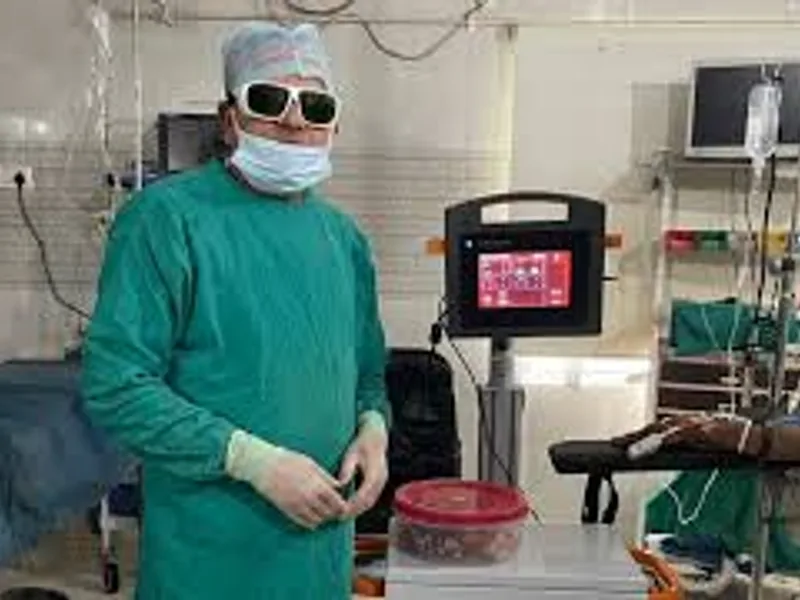
Laser treatments offer another proven approach. Procedures like Selective Laser Trabeculoplasty (SLT) for open-angle glaucoma can help improve fluid drainage. For angle-closure glaucoma, laser peripheral iridotomy (LPI) creates a small opening in the iris to relieve pressure.
Laser therapy is generally well-tolerated and can be performed in an outpatient setting. Its aim is to reduce reliance on eye drops or provide an alternative when drops are insufficient. The WHO recommends laser therapy as a viable option when medical management fails or is not tolerated.
Surgical Interventions
When medications and laser therapy are insufficient, surgery becomes a necessary option. Several surgical procedures can benefit manage glaucoma.
- Trabeculectomy: This traditional surgery creates a new drainage channel for fluid to exit the eye, lowering IOP. It remains a reliable method for advanced cases.
- Glaucoma Drainage Devices (Shunts): Implants, like the Ahmed or Baerveldt valve, are inserted to enable drain fluid. These are often used in complex cases or when trabeculectomy has failed.
- Minimally Invasive Glaucoma Surgery (MIGS): A newer category of procedures using microscopic equipment to elevate fluid outflow with less tissue disruption. MIGS procedures often have faster recovery times and fewer risks compared to traditional surgeries.
The choice of surgery depends on the type and severity of glaucoma, as well as the patient's overall eye health. Following WHO guidelines, surgical intervention aims for major and sustained IOP reduction.
Finding Glaucoma Specialists in East Singhbhum
East Singhbhum, particularly its urban centers like Jamshedpur, has a growing number of ophthalmologists and eye care centers equipped to handle glaucoma. Identifying the right specialist is key.
Look for ophthalmologists with specific experience in glaucoma diagnosis and management. Many reputable hospitals and eye clinics in Jamshedpur offer comprehensive glaucoma services.
Institutions like Tata Main Hospital or other leading private eye care facilities often have dedicated glaucoma clinics. Seeking a referral from your general physician or optometrist is a good starting point.
The numbers don't lie.
Consider factors such as the physician's qualifications, experience, and patient reviews. In many cases, seeking a second opinion can provide additional reassurance. The Indian Council of Medical Research (ICMR) emphasizes the importance of specialized care for chronic conditions like glaucoma.
Living with Glaucoma: Support and Lifestyle
Living with a chronic issue like glaucoma requires adaptation and ongoing commitment. Many of us have known someone affected by vision impairment.
Adhering strictly to your management plan is paramount. This includes regular medication use and attending all scheduled follow-up appointments with your eye specialist.
Simple lifestyle adjustments can also support eye health. Maintaining a healthy diet rich in antioxidants, engaging in regular, moderate exercise (as advised by your doctor), and avoiding smoking are beneficial steps.
For individuals experiencing vision loss, seeking support from patient advocacy groups or low vision rehabilitation services can be incredibly helpful. These resources offer practical strategies and emotional support. Remember, managing glaucoma is a marathon, not a sprint.
So what does that mean for you? Proactive engagement with your healthcare team and a positive outlook can significantly impact your quality of life.
Preventing Further Vision Loss
Preventing further vision loss hinges on early detection and consistent management. Glaucoma's progressive nature means that damage, once done, cannot be reversed. However, its advancement can be halted or significantly slowed with appropriate care.
That's the part worth remembering.
Regular eye examinations are the cornerstone of prevention. The American Academy of Ophthalmology recommends comprehensive dilated eye exams every 1-2 years for adults over 40, and more frequently for those with higher likelihood factors.
These danger factors include a family history of glaucoma, diabetes, hypertension (high blood pressure), and being of certain ethnicities. India has a major burden of diabetes and hypertension, both major contributors to eye health complications.
For those diagnosed, consistent adherence to prescribed treatments—be it eye drops, laser therapy, or surgery—is crucial. Your ophthalmologist will work with you to establish a target IOP, a level considered safe for your optic nerve.
Monitoring your IOP and the situation of your optic nerve at regular intervals allows the physician to adjust your care as needed. This proactive approach ensures that your vision is protected to the best extent possible.
Here's where it gets interesting.
Key Takeaways
- Glaucoma damages the optic nerve and can lead to irreversible blindness if untreated.
- Early detection through regular eye check-ups is vital, especially for individuals over 40 or with possibility factors.
- approach options include eye drops, laser therapy, and surgery, aimed at lowering intraocular pressure.
- Consistent adherence to management plans and regular follow-ups with an ophthalmologist are essential for managing the issue.
- While vision loss from glaucoma cannot be reversed, its progression can be effectively managed to preserve sight.
Living with this is genuinely hard, but with the right support and medical care, managing glaucoma effectively is achievable. Your vision is precious—take steps today to protect it.
Always consult a qualified physician before making medical decisions.
Frequently Asked Questions
Can I eat rice if I have diabetes and glaucoma?
While rice is a staple, managing diabetes is crucial for glaucoma individuals. Opt for smaller portions of brown rice or other whole grains, as refined carbohydrates can spike blood sugar. Discuss your dietary plan with your doctor or a nutritionist to balance your intake effectively.
How often should I get my eyes checked for glaucoma in East Singhbhum?
If you have no possibility factors, a comprehensive eye exam every 1-2 years after age 40 is recommended. However, if you have a family history, diabetes, hypertension, or are of African or Asian descent, your ophthalmologist may recommend more frequent screenings, perhaps annually or even more often.
What are the signs that my glaucoma therapy is not working?
Signs your approach may not be working include noticeable vision changes (blurring, tunnel vision), increased eye pain or redness, headaches, or nausea. If you experience any of these, contact your eye specialist immediately, as your medication dosage or management plan might need adjustment.
Are there any home remedies for glaucoma?
There are no scientifically proven home remedies that can cure or effectively treat glaucoma. Relying solely on unverified remedies can be dangerous and lead to irreversible vision loss. Always follow your ophthalmologist's prescribed approach plan, which may include prescribed eye drops, laser therapy, or surgery.
This is where most sufferers struggle.