Understanding an Ocular Threat: The Silent Progression
Often referred to as the ‘silent thief of sight,’ this group of conditions harms the vital pathway connecting the eye to the brain, known as the optic nerve. Without early detection and appropriate care, it can lead to irreversible impairment and even blindness.
The reality is, many individuals remain unaware of this eye condition until substantial damage to their eyesight has already occurred. Therefore, early identification and suitable management are absolutely essential.
In Dumka, much like the rest of India, this particular eye ailment remains a significant public health concern. The National Programme for Prevention and Control of Blindness and Visual Impairment (NPCBVI) emphasizes the critical need for heightened public awareness and accessible medical attention.
India faces a high incidence of blindness, with this ocular disorder being a primary contributor. While specific statistics for Dumka are not separately published, national figures suggest millions are impacted.
The numbers don't lie.
The Critical Role of Intraocular Pressure (IOP)
Most forms of this ocular concern are associated with elevated intraocular pressure (IOP). This refers to the pressure within your eye. Your eye naturally produces a clear liquid called aqueous humor. It also possesses a sophisticated drainage system designed to remove this liquid.
When this drainage system malfunctions, the aqueous humor accumulates. This buildup, in turn, increases the internal pressure of the eye. Such elevated IOP can exert pressure on the optic pathway, causing damage over time. You'll note that maintaining a healthy IOP level is a fundamental objective of therapy for this eye disease.
Typically, the normal range for IOP falls between 10-21 mmHg (millimeters of mercury). Consistently high pressures, especially when observed alongside changes in the optic pathway, often point to this ocular ailment.
However, some individuals may develop the situation even with normal IOP readings, a phenomenon known as normal-tension glaucoma. This highlights the importance of regular eye examinations that go beyond simple pressure checks.
And yet, so many people miss it.
Diagnosing the disorder: A Comprehensive Strategy
Accurate diagnosis forms the bedrock of effective management for this eye disorder. Specialists in Dumka use a variety of diagnostic instruments to evaluate the health of the optic pathway and detect early indications of damage. These examinations are generally pain-free and quick.
Thorough Eye Examination
A standard ocular check-up serves as the initial step. Medical professionals will review your health records, including any family history of this eye situation. They will also assess your visual acuity and overall ocular health.
Tonometry
This procedure measures the pressure inside your eye (IOP). Several techniques exist, including Goldmann applanation tonometry (considered the gold standard) and non-contact tonometry (the air puff test). The air puff test is rapid and painless, though sometimes less precise than applanation methods.
Ophthalmoscopy
During this examination, doctors employ specialized lights and lenses to directly inspect the optic pathway. They look for characteristic cupping or alterations linked to the eye situation. The appearance of the optic disc is a crucial indicator.
And yet, so many people miss it.
Perimetry (Visual Field Test)
This assessment maps your field of view. It assists in identifying blind spots or areas where eyesight has been lost. These deficits often manifest in specific patterns corresponding to damage to the visual pathway. The key takeaway here? This test can uncover visual loss that you might not even perceive in your daily activities.
Gonioscopy
Gonioscopy involves a special mirrored lens to examine the eye’s drainage angle. This angle dictates how the aqueous humor exits the eye. Understanding the structure of this angle helps categorize the type of ocular ailment (e.g., open-angle versus narrow-angle).
Optical Coherence Tomography (OCT)
OCT represents an advanced imaging technique. It produces detailed cross-sectional images of the optic pathway and the retina.
This capability allows specialists to precisely measure the thickness of the nerve fiber layer and detect subtle changes indicative of the eye situation, often before they become apparent with other diagnostic methods. This technology is increasingly available in leading eye care facilities in Dumka.
Managing Ocular Pressure: Treatment Options in Dumka
The primary objective of management for this eye disorder is to reduce intraocular pressure to a level that prevents further damage to the visual pathway. Therapy is typically ongoing. Physicians customize the approach based on the specific type and severity of the concern, as well as the individual patient’s requirements.
Most people overlook this completely.
Medicated Eye Drops
Eye drops are the most common initial form of intervention. They function by either decreasing the amount of aqueous humor your eye produces or by enhancing its drainage. Several categories of eye drops are available, including prostaglandins, beta-blockers, alpha-adrenergic agonists, and carbonic anhydrase inhibitors.
It is imperative to use these drops precisely as directed by your doctor. A frequent difficulty is consistent use; individuals sometimes neglect to apply their drops regularly. It's helpful to know that newer formulations exist that may require less frequent application, thereby improving convenience.
Oral Medications
In certain situations, oral drugs, such as acetazolamide, may be prescribed. These are generally utilized for brief periods, often to manage acute spikes in pressure. They work systemically to reduce the production of aqueous humor within the eye.
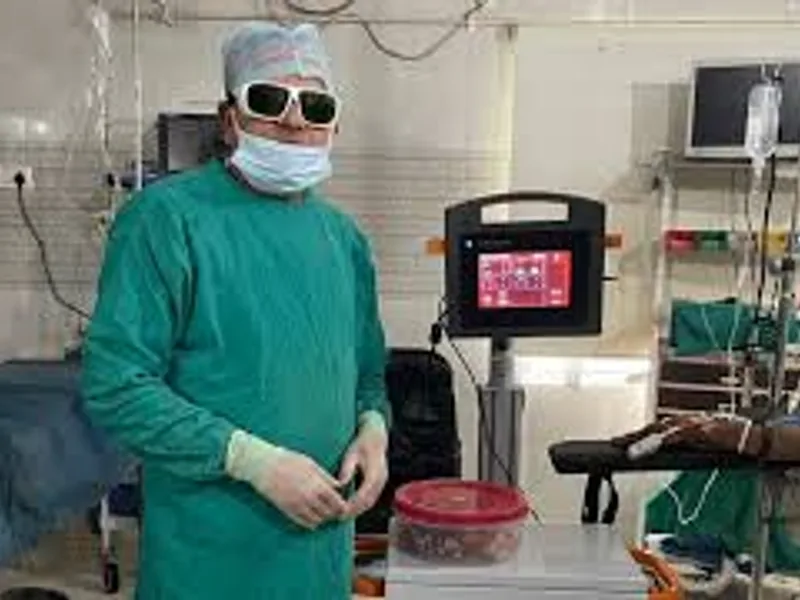
Focused Light Therapy
Treatments involving focused light offer an successful alternative or supplement to eye drops. These procedures are usually conducted in an outpatient setting.
- Selective Light Trabeculoplasty (SLT): This procedure employs low-energy light pulses to improve the drainage of aqueous humor from the eye. It is commonly applied for open-angle forms of the concern. SLT is generally safe and can be repeated if needed.
- Argon Light Trabeculoplasty (ALT): Similar to SLT, but it uses a different kind of focused light. It is less frequently used now than SLT due to a higher potential for scarring.
- Light Peripheral Iridotomy (LPI): This is the preferred intervention for narrow-angle or angle-closure forms of the eye issue. A tiny opening is created in the iris (the colored part of your eye) to allow aqueous humor to flow more freely. This prevents sudden increases in ocular pressure.
These focused light procedures are vital for managing specific manifestations of this eye disease. They present a less invasive alternative to traditional surgical interventions.
Ocular Surgery for Pressure Management
When medications and focused light therapy prove insufficient to regulate IOP, surgical intervention becomes an option. Several surgical procedures are available at Dumka’s leading eye care facilities.
That alone changes everything.
- Trabeculectomy: This is a conventional operation for this eye disorder. It involves creating a new drainage channel for the aqueous humor to exit the eye, typically beneath the conjunctiva (the thin membrane covering the white part of the eye). This forms a small, blister-like elevation known as a ‘bleb’.
- Drainage Devices (Tube Shunts): These entail implanting a small tube in the eye to facilitate the drainage of internal fluid. They are often employed when trabeculectomy has been unsuccessful or is unlikely to yield positive results.
- Minimally Invasive Ocular Surgery (MIGS): MIGS procedures use microscopic instruments and tiny incisions. Their aim is to lower IOP with a reduced risk profile compared to traditional operations. Many MIGS procedures can even be performed concurrently with cataract surgery. Examples include iStent implantation and canaloplasty.
The selection of surgery depends on various elements, including the severity of the eye disorder, prior treatments, and the patient's overall health. In practical terms, MIGS offers a promising path for many, providing quicker recovery periods.
Locating Specialists in Dumka for Ocular Pressure Management
Access to skilled ophthalmologists is fundamental for effectively managing this eye issue. Dumka hosts several reputable eye hospitals and clinics.
These centers are equipped with advanced diagnostic and care technologies. Many of these institutions are affiliated with major medical networks or boast highly experienced specialists trained at premier institutions like AIIMS or other leading government and private medical colleges across India.
When seeking medical attention, prioritize ophthalmologists who specialize in this specific ocular disorder. They possess the expertise to diagnose subtle indicators and to offer the latest therapy modalities.
Do not hesitate to inquire about their experience with particular procedures or technologies such as OCT or MIGS. Many patients find that consulting with a specialist brings considerable peace of mind.
Most people overlook this completely.
Living with the concern: Lifestyle and Support
Managing this eye ailment extends beyond clinic appointments. Lifestyle modifications can play a supportive role. Maintaining a balanced diet and engaging in regular, moderate physical activity are beneficial for overall ocular health.
However, it is crucial to discuss any strenuous exercise or specific dietary alterations with your physician. Some yoga poses, for instance, that involve prolonged head-down positions, may increase intraocular pressure.
Regular follow-up appointments are mandatory. These enable physicians to monitor your issue, adjust therapies as necessary, and detect any progression. Missing appointments can have serious repercussions for your eyesight.
Living with a chronic ailment like this eye situation is undeniably challenging, but with consistent care and support, most individuals can preserve good functional eyesight throughout their lives. The backing of family and friends is also invaluable.
That alone changes everything.
Key Takeaways
- This eye disorder damages the optic pathway, often due to high intraocular pressure (IOP).
- Early diagnosis through comprehensive eye examinations, including tonometry and visual field tests, is crucial.
- approach options span from medicated eye drops and focused light therapy to traditional and minimally invasive surgery.
- Regular follow-up with a specialist in Dumka for this eye situation is essential for managing the ailment and preserving eyesight.
- India faces a marked burden of visual impairment, with this ocular disorder being a major contributor.
Always consult a qualified physician before making medical decisions.