Understanding Fungal Infections and When to See a Doctor in East Singhbhum
Fungal infections, often appearing as minor skin irritations, can become persistent and uncomfortable if not addressed properly. In East Singhbhum, like elsewhere in India, these conditions are quite common.
Many of us have experienced itchy rashes or discoloured nails at some point. Honestly, identifying the exact cause can be tricky without expert help.
Think about it this way: fungi are microscopic organisms present everywhere – in the air, soil, and on surfaces. While many are harmless, some can cause infections, particularly in warm, moist environments. India's tropical climate often creates ideal conditions for fungal proliferation. For instance, the prevalence of superficial fungal infections in India is estimated to be around 50-60% among the population, according to studies published in journals like the Indian Journal of Dermatology.
prevalent Types of Fungal Infections
Several types of fungal infections affect people. These range from superficial skin conditions to more systemic issues, though the latter are less prevalent.
- Tinea Infections (Ringworm): Despite the name, ringworm is caused by a fungus, not a worm. It typically appears as a circular, itchy rash with clearer skin in the middle. Tinea pedis (athlete's foot) affects the feet, while tinea cruris (jock itch) affects the groin area.
- Candidiasis: Caused by Candida yeast, this often affects moist skin folds, like under the breasts or in the groin. It can also cause oral thrush or vaginal yeast infections.
- Onychomycosis: This is a fungal infection of the nails, leading to thickened, discoloured, and brittle nails. It's a persistent condition that can be challenging to treat.
- Pityriasis Versicolor: This causes small, discoloured patches on the skin, often on the trunk and shoulders. It's more of a cosmetic concern for many.
Why Seek a Specialist in East Singhbhum?
While over-the-counter (OTC) creams can offer temporary relief for some skin issues, they are often insufficient for moderate to severe or recurring fungal infections. A fungal infection doctor, or a dermatologist, possesses the specialised knowledge and diagnostic tools to accurately identify the causative fungus. This ensures the correct therapy is prescribed, preventing prolonged suffering and potential complications.
Have you ever wondered why that rash keeps coming back? It might be because the wrong treatment was used.
In real-world terms, using broad-spectrum antifungal creams when a specific diagnosis isn't made can lead to resistance. This makes future treatments less effective.
Specialists can differentiate between fungal infections, bacterial infections, and allergic reactions – conditions that can sometimes mimic each other. AIIMS (All India Institute of Medical Sciences) guidelines emphasize accurate diagnosis for successful management of dermatological conditions.
Identifying When You Need Expert Care
Several indicators suggest that your problem warrants a visit to a fungal infection specialist in East Singhbhum. Living with a persistent skin issue is genuinely hard. Do you notice any of these signs?
It sounds simple. It rarely is.
- Lack of Improvement with OTC Treatments: If topical creams or home remedies haven't resolved the infection after several weeks, it's time to seek professional support.
- Widespread or Deep Infections: Infections covering large areas of the body or those that appear deep within the skin require potent, often prescription-strength, medications.
- Recurrent Infections: If you experience fungal infections repeatedly, a specialist can investigate underlying causes, such as a weakened immune system or environmental factors.
- Nail or Scalp Involvement: Infections affecting nails (onychomycosis) or the scalp (tinea capitis) are notoriously difficult to treat with OTC products and require targeted therapies. Scalp infections in children, if untreated, can lead to permanent hair loss.
- Signs of Secondary Infection: If the affected area shows increased redness, swelling, pus, or fever, it might indicate a bacterial infection has set in, necessitating prompt medical attention.
The Diagnostic Process
A dermatologist will typically start with a thorough medical history and physical examination. They will ask about your symptoms, how long you've had them, and any treatments you've tried. To confirm the diagnosis, they might perform:
- Skin Scraping: A small sample of the affected skin is scraped off and examined under a microscope (KOH mount). This can quickly identify fungal elements.
- Fungal Culture: A sample is sent to a laboratory to grow the fungus. This helps identify the specific species, guiding the most proven therapy. This process can take several weeks.
- Biopsy: In rare, persistent cases, a small skin biopsy might be performed for detailed examination.
therapy Approaches by Specialists
Once a diagnosis is confirmed, the approach to therapy is tailored to the type, severity, and location of the fungal infection. Specialists in East Singhbhum offer a range of proven treatments.
Topical Antifungals
These are creams, lotions, powders, or sprays applied directly to the affected skin. They are the first line of care for most superficial infections like ringworm or athlete's foot. Examples include clotrimazole, miconazole, and terbinafine.
They work by damaging the fungal cell wall or inhibiting its growth. Many patients find relief within a few weeks of consistent application, as recommended by their physician.
Oral Antifungals
For more extensive, stubborn, or deep-seated infections, oral antifungal medications are prescribed. These are taken by mouth and work systemically. usual examples include fluconazole, itraconazole, and terbinafine tablets.
Nail infections often require a course of oral antifungals lasting several months. It's vital to complete the full course, even if signs improve, to eradicate the fungus completely. The World Health Organization (WHO) recommends judicious use of oral antifungals to prevent resistance.
Recovery is rarely linear.
Other Therapies
In some cases, adjunctive therapies might be used. For fungal nail infections, medicated nail lacquers can be applied.
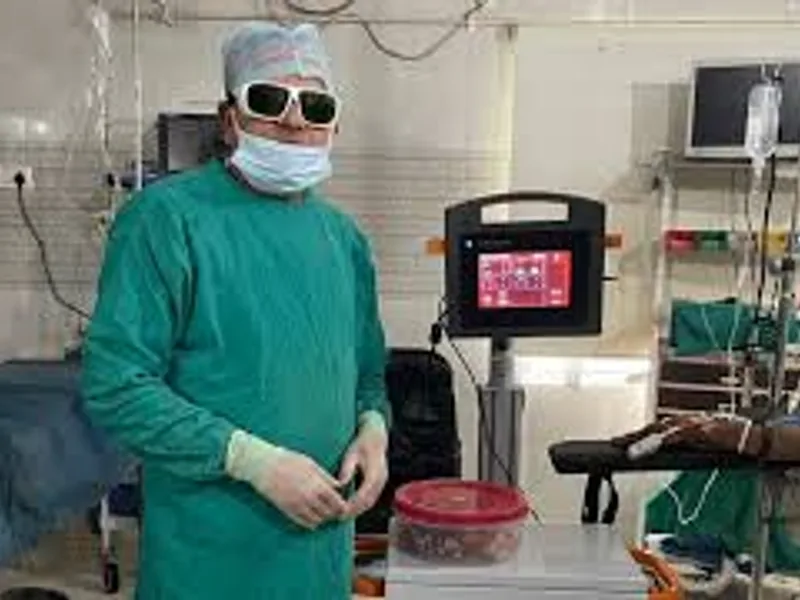
For severe scalp infections, specific medicated shampoos might be recommended alongside oral therapy. Laser therapy is also an emerging option for onychomycosis, although its widespread availability and cost can be limiting factors.
Finding a Fungal Infection Doctor in East Singhbhum
Locating a qualified fungal infection specialist in East Singhbhum is crucial for powerful management. You can start by asking your general physician for a referral. Online healthcare platforms like Doctar also list verified dermatologists and skin specialists in the region.
Checking patient reviews and the doctor's credentials can benefit you make an informed choice. Remember, a good specialist will not only prescribe medication but also educate you on preventive measures.
Consider the experience of a patient from Seraikella who suffered from persistent athlete's foot for years. OTC treatments offered only temporary respite. Upon consulting a dermatologist in Jamshedpur, a KOH test confirmed a resistant fungal strain.
A tailored course of oral and topical antifungals, along with advice on proper foot hygiene, finally resolved the issue. This highlights the importance of expert diagnosis and care.
Prevention is Key
Preventing fungal infections involves simple yet vital hygiene practices. Keeping skin clean and dry, especially in folds and after sweating, is paramount. Wearing breathable footwear and changing socks daily can prevent athlete's foot.
Here's where it gets interesting.
Avoiding sharing personal items like towels or razors also helps limit the spread of fungi. For those in humid climates like East Singhbhum, showering immediately after exercise or exposure to moisture is a good habit.
The Indian Council of Medical Research (ICMR) often publishes guidelines on public health and hygiene, underscoring the role of personal care in preventing prevalent infections. Following these simple steps can significantly reduce your risk.
When to Be Extra Vigilant
Certain individuals are more susceptible to fungal infections or may experience more severe outcomes. These include people with diabetes, those with compromised immune systems (due to conditions like HIV/AIDS or chemotherapy), and the elderly.
India has approximately 77 million people living with diabetes (IDF Atlas 2023), a significant population group that needs to be particularly mindful of skin health and seek timely medical advice for any signs of infection.
This is where most individuals struggle.
If you fall into any of these categories, it's essential to be proactive. Regular check-ups with your physician and prompt attention to any skin changes can prevent minor issues from escalating. Does this sound familiar? Proactive care strengthens your body's natural defenses.
The Role of a Dermatologist
A dermatologist is a medical doctor specializing in conditions affecting the skin, hair, and nails. They are trained to diagnose and treat a wide array of issues, including fungal infections.
Their expertise ensures that treatments are not only powerful but also safe, minimizing the danger of side effects or drug interactions. They are your best allies in combating persistent skin conditions.
Honestly, self-treating can sometimes worsen the concern, making it harder for a specialist to manage later. Trusting the process and the expertise of a qualified physician is the most reliable path to recovery.
The Lancet has published numerous studies on the efficacy of various antifungal treatments, affirming the importance of evidence-based medical practice.
Looking Ahead: Long-Term Skin Health
Maintaining healthy skin is an ongoing journey. For those prone to fungal infections, developing a long-term strategy with your dermatologist is beneficial.
This might involve periodic check-ups, prescription-strength preventative treatments, or lifestyle adjustments. By working closely with your specialist, you can significantly enhance your quality of life and keep fungal infections at bay.
It sounds simple. It rarely is.
Remember, taking care of your skin is an investment in your overall well-being. With the right guidance and consistent effort, you can achieve and maintain healthy, clear skin. We often see individuals experience immense relief and confidence boost once their fungal infections are successfully treated.
Key Takeaways
- Fungal infections are typical in India due to climate factors, affecting an estimated 50-60% of the population at some point.
- Persistent, widespread, or recurrent infections, especially those involving nails or scalp, require specialist consultation.
- Dermatologists use methods like skin scrapings and fungal cultures for accurate diagnosis, ensuring targeted and reliable therapy.
- intervention options range from topical and oral antifungals to specialized therapies, guided by the specific fungal species and infection severity.
- Preventive measures like maintaining good hygiene and keeping skin dry are vital, particularly for individuals with diabetes or weakened immune systems.
Frequently Asked Questions
Can I use home remedies for fungal infections?
While some mild cases might see temporary relief from certain home remedies, they are generally not sufficient for complete eradication of the fungus. Relying solely on home remedies can delay proper approach and potentially worsen the infection.
How long does management for fungal infections usually take?
The duration of intervention varies significantly depending on the type and severity of the infection. Superficial skin infections might clear up in a few weeks with topical approach, whereas nail infections can require several months of oral antifungal therapy.
Are fungal infections contagious?
Yes, many fungal infections are contagious and can spread through direct skin-to-skin contact, contact with contaminated surfaces (like floors in changing rooms), or sharing personal items. Practicing good hygiene is crucial to prevent transmission.
It sounds simple. It rarely is.
What is the difference between a fungal infection and a bacterial infection?
Fungal infections are caused by fungi (like yeasts and molds), while bacterial infections are caused by bacteria. They often present with different signs and require distinct treatments. A doctor's diagnosis is essential to differentiate between them, as using the wrong medication can be ineffective or even harmful.