Understanding Acne Scars
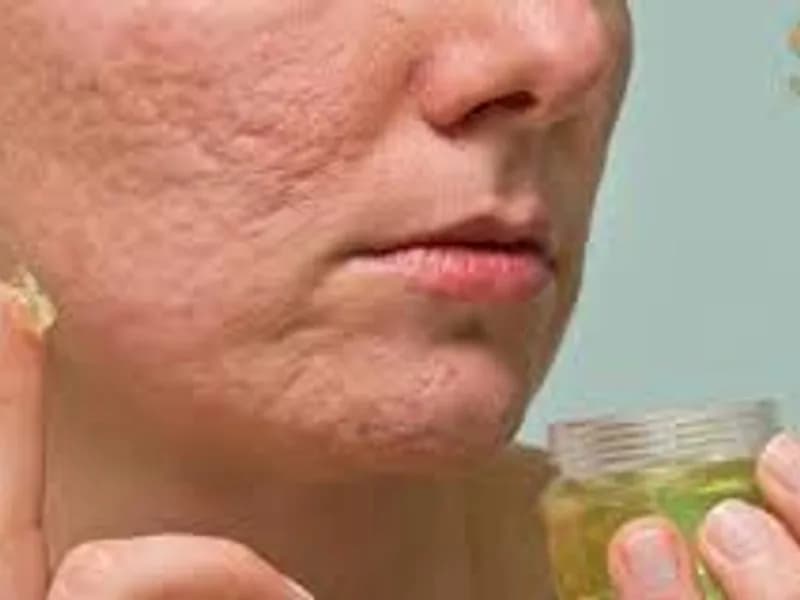
Acne scars are a lasting reminder of past breakouts. They form when the skin's healing process after inflammation is disrupted. This disruption leads to either too much collagen being produced (hypertrophic scars) or too little (atrophic scars).
Atrophic scars are the most common type, appearing as depressions or pits in the skin. Think about it this way: when a severe pimple or cyst destroys collagen, the skin cannot fully regenerate. Hypertrophic scars, conversely, are raised bumps caused by an overproduction of collagen.
The reality is, treating acne scars requires patience and the right approach. Different scar types often need different therapies.
Types of Acne Scars
Atrophic Scars: These are the most frequent. They include ice pick (deep, narrow pits), boxcar (wider, rectangular depressions), and rolling scars (sloping, wave-like appearance).
Hypertrophic Scars: These scars are raised above the skin's surface. They are more prevalent on the chest and back but can occur on the face.
Post-Inflammatory Hyperpigmentation (PIH): While not true scars, these are discolored marks (red, brown, or black) left after acne heals. They are often confused with scars but are much easier to treat.
Proven Treatments for Acne Scars
Dermatologists offer several impactful treatments. These range from minimally invasive procedures to more intensive therapies, tailored to your specific scar type and skin condition.
In-Office Procedures
Chemical Peels: Stronger acids than those found in over-the-counter products are used. These peels remove the outer layers of skin, encouraging new, smoother skin growth. As per the American Academy of Dermatology (AAD), medium to deep peels are often most effective for atrophic scars.
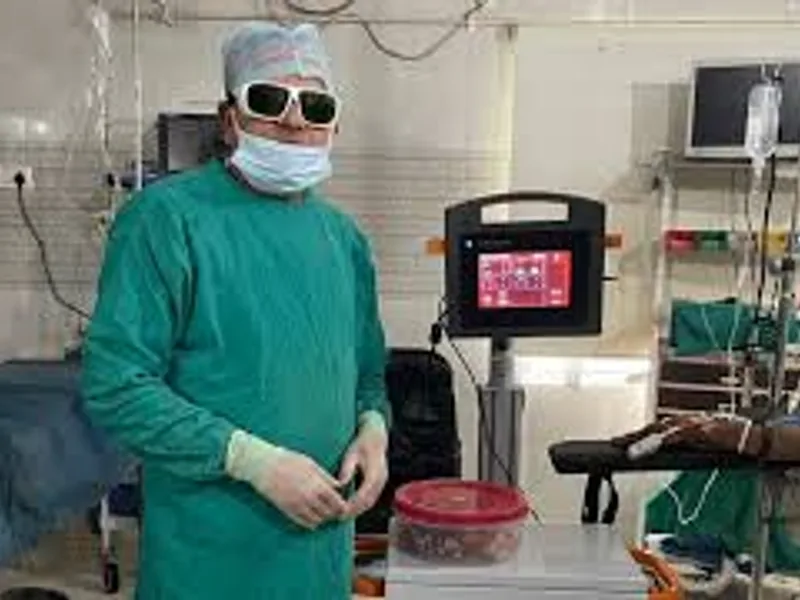
Laser Resurfacing: This approach uses focused light beams. Ablative lasers remove skin layers, while non-ablative lasers heat the tissue to stimulate collagen. A 2023 study in The Lancet Dermatology highlighted laser therapy's role in improving scar texture.
Microneedling: Tiny needles create micro-injuries in the skin. This process triggers the body's natural healing response, boosting collagen and elastin production. It's particularly helpful for rolling and boxcar scars.
Dermal Fillers: Injectable substances (like hyaluronic acid) can temporarily plump up depressed scars, making them less noticeable. This offers an immediate, though not permanent, improvement.
Tattooing/Medical Camouflage: For some, carefully applied pigment can camouflage scars, especially lighter ones. This is a cosmetic approach rather than a corrective one.
Topical Treatments
While less dramatic than procedures, topical agents can assist, especially with PIH and milder scarring.
Retinoids: Prescription-strength retinoids (like tretinoin) accelerate skin cell turnover and can help fade discoloration.
Alpha Hydroxy Acids (AHAs): Glycolic and lactic acids benefit exfoliate the skin's surface, improving texture and mild hyperpigmentation.
Vitamin C Serums: A potent antioxidant, Vitamin C brightens skin and supports collagen synthesis, aiding in scar fading.
Sunscreen: Daily use of broad-spectrum SPF 30 or higher is vital. Protecting skin from UV rays prevents scars and PIH from darkening.
At-Home Care and Prevention
Consistency is key for managing acne scars. What should you actually do day-to-day?
First, prevent new breakouts. powerful acne management is the primary step in preventing future scarring. Cleanse your skin gently twice daily. Avoid picking or squeezing blemishes — this almost always worsens inflammation and scarring.
For existing scars, incorporate exfoliating products like those containing AHAs into your routine a few times a week. Always follow up with a good moisturizer to support your skin barrier. Here's the thing — hydrated skin heals better and looks smoother.
Recovery is rarely linear.
When to See a Specialist
If your acne scars significantly impact your self-esteem or if home treatments are not yielding desired results, consult a dermatologist. Specialists can accurately diagnose scar types and recommend the most reliable treatment plan. A consultation is crucial for determining the best approach for your unique skin needs.
Living with acne scars is genuinely hard. Fortunately, many reliable options exist today to significantly improve their appearance.
Frequently Asked Questions
Can I treat ice pick scars at home?
Ice pick scars are deep and narrow, making them very challenging to treat with topical products alone. While some at-home treatments might slightly elevate their appearance, professional procedures like TCA CROSS or laser resurfacing are generally required for significant reduction.
How long does it take to see results from acne scar management?
The timeline varies greatly depending on the approach method and scar severity. Microneedling and laser treatments often require multiple sessions spaced weeks apart. Visible improvements may take several months to fully emerge as collagen remodels.
Is it safe to use multiple scar treatments together?
Combining treatments can sometimes yield better results, but it must be done under the guidance of a dermatologist. For instance, using a retinoid alongside microneedling may be beneficial, but combining aggressive peels with lasers without expert advice could cause harm.
The numbers don't lie.
Will acne scars disappear completely?
Complete elimination of all acne scars is often not realistic, especially for deep atrophic scars. However, most treatments can significantly boost their depth, texture, and overall appearance, making them much less noticeable. The goal is substantial improvement, not necessarily total erasure.
Medically reviewed by a qualified physician. Last updated April 2025. For informational purposes only.