

Emergency & Help
24/7 Emergency & General Advisory
🚨 24/7 Medical Emergency
Non-Emergency Advisory
10:00 AM – 6:00 PM, Mon–Sat
For appointments & general queries.
24/7 Emergency & General Advisory
🚨 24/7 Medical Emergency
Non-Emergency Advisory
10:00 AM – 6:00 PM, Mon–Sat
For appointments & general queries.
Explore effective cystic acne treatments, from topical therapies to advanced procedures. Understand causes, symptoms, and when to see a dermatologist.
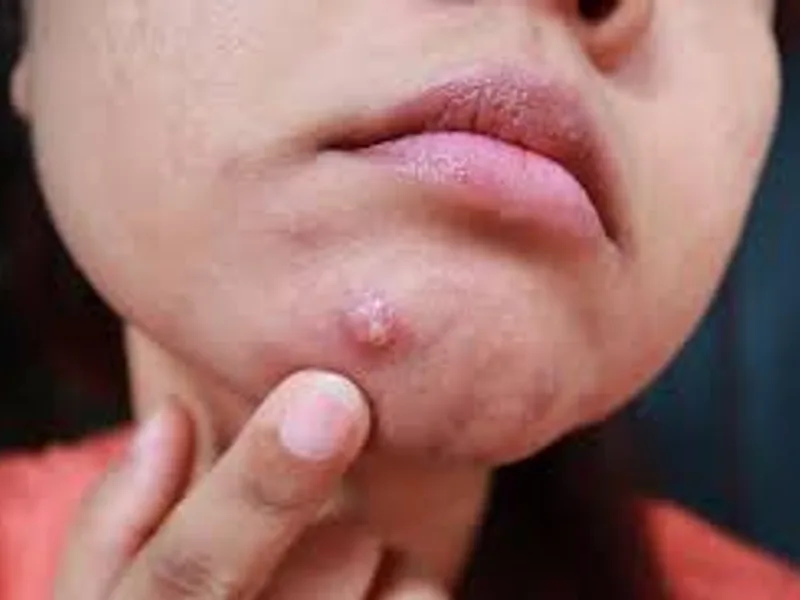
Severe acne, known medically as acne vulgaris, represents its most advanced manifestation. It develops deep within the layers of the skin, giving rise to large, painful, pus-filled lesions. These deep-seated blemishes can persist for several weeks or even months at a time.
Left unaddressed, they commonly lead to considerable tissue damage and permanent marks. Individuals living with this advanced form of acne frequently experience significant challenges, affecting their self-esteem and overall comfort.
Several underlying factors contribute to the emergence of severe acne. A primary element involves the excessive production of oil, or sebum, by the sebaceous glands located in the skin. Hair follicles then become obstructed, frequently due to an accumulation of dead skin cells, which then traps this excess oil. Microorganisms, specifically *Propionibacterium acnes* (now more precisely identified as *Cutibacterium acnes*), proliferate vigorously within these blocked environments.
This proliferation then triggers an intensified inflammatory response, which culminates in the formation of deep dermal pockets of infection. Hormonal fluctuations, particularly pronounced during phases such as puberty, menstruation, or in conditions like Polycystic Ovary Syndrome (PCOS), also exert a major influence. On top of that,, genetic predisposition plays a role in some individuals, making them more susceptible to this condition. One can conceptualize this process as a confluence of detrimental factors brewing beneath the skin's surface.
And yet, so many people miss it.
The characteristic signs of severe acne are readily identifiable:
Large, erythematous (red), and swollen bumps.
Deep, firm nodules palpable beneath the skin's surface.
Tenderness or discomfort associated with the dermal lesions.
Development of pustules (small, pus-filled sacs) at the apex of these deep lesions.
A high probability of permanent tissue changes following the healing process.
Given its potential for lasting impact, severe acne necessitates prompt and assertive medical management to avert permanent disfigurement of the skin.
Treating severe acne typically demands a comprehensive, multi-pronged approach, integrating both topical applications and systemic medications. A crucial, yet often overlooked, aspect is that consistent adherence and patience are paramount for achieving discernible and lasting improvements.
While their efficacy for profoundly deep lesions is limited, certain topical treatments are beneficial for managing milder presentations or for helping to prevent new eruptions. These include:
Retinoids: These compounds, derived from Vitamin A (such as tretinoin, adapalene), work by helping to de-clog pores and mitigate skin irritation.
Benzoyl Peroxide: This agent effectively eliminates acne-causing microbes and facilitates the shedding of keratinized skin cells.
Antibiotics: Topical antimicrobial agents (e.g., clindamycin) are employed to diminish microbial populations and reduce local tissue irritation; they are frequently combined with benzoyl peroxide to minimize the risk of bacterial resistance.
For individuals experiencing moderate to severe forms of acne, oral systemic medications are generally indispensable. Healthcare providers frequently prescribe:
Oral Antibiotics: Drugs like doxycycline or minocycline are administered to reduce systemic microbial load and widespread bodily irritation. A 2023 Lancet study underscored their efficacy in diminishing inflamed lesions.
Hormonal Therapy: For female patients, oral contraceptive pills or spironolactone can be utilized to regulate hormonal imbalances that contribute to the development of acne.
Isotretinoin: This potent derivative of Vitamin A is specifically reserved for severe, persistent cases of acne that have not responded to other treatments. It dramatically curtails sebaceous gland activity, thereby preventing pore blockage and decreasing microbial proliferation. In accordance with AIIMS guidelines, it is highly proven but mandates close medical supervision owing to potential adverse effects.
Dermatologists also have access to various in-office procedures designed to manage advanced acne lesions:
Corticosteroid Injections: A diluted steroid solution injected directly into a large, inflamed lesion can rapidly alleviate swelling and associated discomfort.
Incision and Drainage: A medical professional may carefully drain large, painful lesions, providing immediate symptomatic relief and lowering the subsequent danger of permanent skin marks.
Chemical Peels: Superficial chemical peels can assist in exfoliating the outer skin layers and enhancing overall skin texture.
Laser and Light Therapies: These modalities are capable of targeting acne-causing microorganisms and reducing skin irritation.
Permanent marks are a frequent and distressing consequence of severe acne. Early and successful therapeutic intervention is crucial for minimizing their occurrence. For individuals with existing marks, a range of treatments can be employed to improve skin texture and appearance:
Chemical peels
Microdermabrasion
Laser resurfacing
Microneedling
In numerous instances, a combined therapeutic approach often yields the most favorable outcomes for revising these dermal imperfections.
If over-the-counter preparations prove inadequate in controlling your acne, or if you begin to develop deep, painful lesions, it is imperative to seek consultation with a dermatologist. Timely intervention is critical for averting major tissue damage.
This translates to taking proactive steps toward achieving clearer, healthier skin. Recognizing the tell-tale signs and obtaining professional medical assistance without delay can profoundly influence the prognosis.
It sounds simple. It rarely is.
No, the use of harsh abrasive scrubs should be avoided. Aggressive mechanical scrubbing can further irritate already inflamed skin, exacerbate the acne disorder, and elevate the potential for permanent skin marks. Gentle cleansing practices are consistently recommended.
While the intensity of acne can fluctuate, severe forms of the problem rarely resolve completely without medical intervention. Without appropriate therapeutic management, it frequently leads to persistent inflammation and lasting skin alterations.
The length of therapy varies considerably, contingent upon the severity of the concern and the chosen therapeutic strategy. It can take anywhere from several weeks to many months to observe substantial improvement. Consistent adherence to the prescribed regimen is fundamental for intervention success.
Medically reviewed by a qualified physician. Last updated April 2025. For informational purposes only.
Visit Hospital
Near You