Choosing a Knee Replacement Hospital in Gumla
Knee replacement surgery is a life-changing procedure for individuals suffering from severe knee pain and immobility. If you are in Gumla and considering this option, selecting the right hospital is a crucial first step. The reality is, the quality of care you receive can significantly impact your recovery and long-term outcomes.
We understand that navigating these choices can feel overwhelming. This guide aims to provide clarity, helping you identify top-tier facilities and grasp what makes them stand out.
Many of us have experienced the frustration of persistent knee pain, often limiting daily activities and diminishing our quality of life. Have you ever wondered why? This pain can stem from various conditions, including osteoarthritis, rheumatoid arthritis, or post-traumatic injury.
When conservative treatments no longer offer relief, knee replacement becomes a vital consideration. India, as a leading medical tourism destination, offers excellent options, and Gumla is emerging with skilled orthopedic centres.
Understanding Knee Replacement Surgery
Knee replacement, or arthroplasty, is a surgical procedure where damaged parts of the knee joint are removed and replaced with artificial components, typically made of metal alloys and polymers. This surgery is most commonly performed for osteoarthritis, a degenerative joint disease affecting millions.
That alone changes everything.
In India, the prevalence of osteoarthritis is significant, with studies indicating a high burden in the adult population, especially in older age groups.
The primary goal is to relieve pain and restore function, enabling people to return to activities they once enjoyed. The procedure involves replacing the diseased surfaces of the femur (thigh bone) and tibia (shin bone).
Sometimes, the patella (kneecap) is also resurfaced. The artificial components are fixed to the bone using bone cement or are designed to integrate with the bone over time (cementless fixation).
Types of Knee Replacement
Several types of knee replacement surgeries exist:
- Total Knee Replacement (TKR): This is the most common type, involving the replacement of all three compartments of the knee joint.
- Partial Knee Replacement (PKR): Also known as unicompartmental knee replacement, this surgery replaces only one damaged compartment of the knee. It is suitable for patients with arthritis confined to a specific area.
- Minimally Invasive Knee Replacement: This approach uses smaller incisions and specialized instruments, potentially leading to less pain and faster recovery. However, it requires highly skilled surgeons.
Honestly, the choice of procedure depends on the extent of damage, the patient's overall health, and the surgeon's recommendation. Physicians at leading institutions like AIIMS often tailor the approach to individual patient needs.
What to Look for in a Knee Replacement Hospital in Gumla
Selecting a facility for such a marked surgery requires careful consideration. You'll notice that the best hospitals distinguish themselves through several key factors:
Experienced Surgical Team
The expertise of the orthopedic surgeons and the entire surgical team is paramount. Look for hospitals with board-certified orthopedic specialists who have extensive experience specifically in knee replacement surgeries.
In many cases, a surgeon performing dozens or even hundreds of these procedures annually will have better outcomes than one who performs them infrequently. Check for affiliations with renowned medical bodies and continuous training.
That's the part worth remembering.
Advanced Technology and Infrastructure
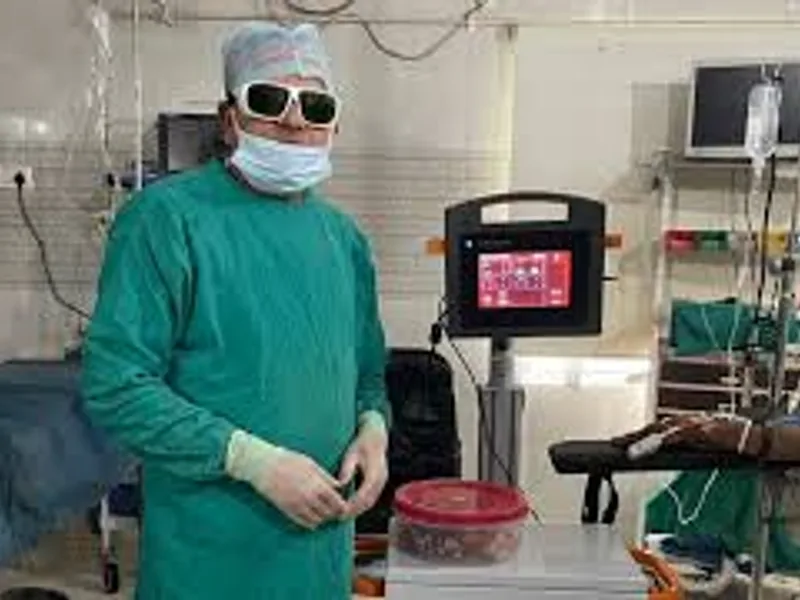
State-of-the-art operation theatres equipped with advanced imaging technology (like C-arm fluoroscopy) and navigation systems can enhance surgical precision. Hospitals that invest in the latest medical equipment often provide a higher standard of care.
This includes modern anaesthesia equipment, advanced patient monitoring systems, and specialized surgical instruments.
Comprehensive Pre-operative and Post-operative Care
Effective knee replacement goes beyond the surgery itself. The hospital should offer thorough pre-operative assessments, including medical evaluations, diagnostic imaging, and patient education. Post-operative care is equally vital.
This includes pain management strategies, infection prevention protocols, and a robust rehabilitation program. Specialists at the World Health Organization (WHO) emphasize the importance of holistic patient management.
Rehabilitation Services
Physical therapy is indispensable for a successful knee replacement recovery. The hospital should have an in-house physiotherapy department or strong partnerships with reputable rehabilitation centres.
Recovery is rarely linear.
A well-structured physiotherapy program, guided by experienced therapists, helps people regain strength, flexibility, and mobility. Rehabilitation often begins within 24-48 hours of surgery.
Patient Testimonials and Success Rates
While individual results vary, consistently positive patient feedback and transparent reporting of success rates (e.g., patient satisfaction scores, complication rates) can be indicators of quality. Some institutions, like those affiliated with the Indian Council of Medical Research (ICMR), strive for transparency in reporting outcomes.
Infection Control Protocols
Preventing surgical site infections is a top priority. Leading hospitals adhere to stringent infection control measures, including sterile operating environments, pre-operative antibiotic protocols, and meticulous wound care. This is a critical aspect, as highlighted by guidelines from the American Hospital Association (AHA).
Potential Benefits of Knee Replacement
Undergoing knee replacement surgery can lead to major improvements in a person's life. How serious is this really? For many, the benefits are profound.
- Pain Relief: This is the most typical and marked benefit. Most individuals experience substantial reduction or complete elimination of knee pain after surgery.
- Improved Mobility: Restored joint function allows for easier walking, climbing stairs, and participating in daily activities. You can often walk longer distances without discomfort.
- Enhanced Quality of Life: By alleviating pain and improving mobility, knee replacement surgery can dramatically boost overall well-being and independence.
- Correction of Deformities: The surgery can correct knee deformities caused by arthritis or injury, leading to a more natural gait.
The reality is, a successful knee replacement can add years of active, pain-free living. It empowers individuals to regain control over their health and pursue hobbies and interests that were previously impossible.
The Surgical Journey: What to Expect
Preparing for knee replacement involves several stages. Initially, your physician will conduct a thorough evaluation. This includes a physical examination, medical history review, and imaging tests like X-rays and sometimes an MRI. Blood tests and an electrocardiogram (ECG) may also be ordered.
That alone changes everything.
Pre-operative Phase:
- Consultation: Discuss the procedure, risks, benefits, and alternatives with your surgeon.
- Medical Optimization: Manage any existing health conditions like diabetes or hypertension (high blood pressure). India has a high burden of non-communicable diseases, making this step vital. For instance, controlling blood sugar levels is crucial for healing.
- Medication Review: Your doctor will advise on medications to stop or adjust before surgery, especially blood thinners.
- Lifestyle Adjustments: Quitting smoking and maintaining a healthy weight can significantly improve surgical outcomes.
During Surgery:
The surgery typically takes 1 to 2 hours. You will receive anaesthesia, either general or spinal/epidural. The surgeon will remove the damaged cartilage and bone, shape the remaining bone, and implant the prosthetic components. The incision is then closed.
Post-operative Phase:
Recovery begins immediately after surgery. You will be monitored closely for pain and vital signs. Early mobilisation, usually starting the same day or the next, is key.
This involves gentle exercises guided by a physiotherapist. You will likely stay in the hospital for a few days, depending on your progress and the hospital's protocol. Pain management will be a priority, using medications and other techniques.
Pain Management and Recovery
Living with the pain and discomfort after surgery is genuinely hard. However, modern pain management techniques are highly impactful. This often involves a combination of oral medications, and sometimes nerve blocks.
The goal is to keep you comfortable enough to participate actively in your rehabilitation. You'll notice that consistent effort in physiotherapy speeds up recovery significantly.
Recovery timelines vary, but most people can walk independently without walking aids within 4-6 weeks. Full recovery and return to most activities can take 3 to 6 months, or sometimes up to a year for complete restoration of strength and function.
The numbers don't lie.
Some those affected, like a friend I know who had a successful TKR at a leading Mumbai hospital, were back to gardening within five months.
Finding the Right Specialist in Gumla
When searching for a knee replacement hospital in Gumla, focus on the orthopaedic department. Look for the lead surgeon's credentials and experience. A specialist with a fellowship in joint replacement surgery often possesses advanced skills. Don't hesitate to ask about their experience with specific implant types or surgical techniques.
Consider the hospital's overall reputation and patient reviews. While specific data for Gumla might be limited compared to larger cities, look for centres that highlight their orthopaedic expertise. If Gumla lacks a specific super-specialty, consider reputable hospitals in nearby Ranchi, which offer a wider array of advanced orthopaedic services.
Cost Considerations
The cost of knee replacement surgery can vary widely based on the hospital, the type of implants used, and the duration of your hospital stay. In India, knee replacement surgery is generally more affordable than in many Western countries, making it a popular choice for medical tourism.
For example, total knee replacement costs can range from ₹2,00,000 to ₹5,00,000 or more, depending on the hospital tier and implant brand.
It's vital to get a detailed breakdown of all costs involved, including pre-operative tests, surgery fees, implant costs, hospital stay, physiotherapy, and post-operative medications. Many hospitals offer package deals that cover most of these expenses. Always clarify what is included and what might be an additional charge.
The numbers don't lie.
Key Takeaways
- Knee replacement surgery restores mobility and relieves pain for individuals with severe joint damage.
- Choose hospitals in Gumla with experienced orthopedic surgeons and advanced infrastructure.
- Thorough pre-operative and post-operative care, including robust physiotherapy, is essential for successful recovery.
- India offers cost-reliable knee replacement procedures with high standards of care.
- Always consult a qualified physician before making medical decisions.
Frequently Asked Questions
Can I eat rice if I have diabetes and am considering knee replacement?
Managing diabetes is crucial before and after knee replacement surgery. While rice can be part of a diabetic diet, portion control and choosing brown or unpolished rice are recommended. Consult your endocrinologist or dietitian to create a personalized meal plan that keeps your blood sugar stable, which aids healing.
How long does recovery typically take after a knee replacement?
Most individuals can walk with assistance within a few weeks and regain major function within 3-6 months. Full recovery, including complete strength and endurance restoration, can take up to a year. Consistent participation in physical therapy is key to a faster and more complete recovery.
What are the risks associated with knee replacement surgery?
Like any major surgery, knee replacement carries risks, including infection, blood clots (deep vein thrombosis), implant loosening, nerve or blood vessel damage, and stiffness. However, experienced surgical teams and adherence to strict protocols significantly minimize these risks.
The overall success rate for knee replacement surgery is very high.
Will I be able to resume my normal activities after surgery?
The goal of knee replacement is to return you to most normal, low-impact activities. You can typically resume walking, swimming, and golf. High-impact activities like running or jumping are usually discouraged to protect the implant. Your surgeon will provide specific guidance based on your individual progress and the type of implant used.
And yet, so many people miss it.