Choosing the Right Knee Replacement Hospital in Dumka
Severe knee pain can significantly impact your quality of life. When conservative measures fail, knee replacement surgery offers a reliable solution. Finding a high-quality hospital in Dumka is crucial for a successful outcome.
We often see people struggling with mobility issues, making everyday tasks challenging. This blog post will guide you through what to look for in a knee replacement facility in Dumka.
Understanding Knee Replacement Surgery
Knee replacement, or knee arthroplasty, is a surgical procedure to replace the damaged surfaces of the knee joint. This involves removing bone and cartilage from the thighbone (femur), shinbone (tibia), and kneecap (patella). Artificial components, typically made of metal alloys and high-grade plastics, then resurface these bones.
Why Consider Knee Replacement?
Osteoarthritis is the most common reason for knee replacement. It occurs when the cartilage cushioning the ends of your bones wears away. In India, an estimated 22% of adults over 40 suffer from osteoarthritis, with knees being a frequent site (ICMR).
Other conditions like rheumatoid arthritis or post-traumatic arthritis can also necessitate this surgery. Honestly, living with chronic knee pain that limits your daily activities is genuinely hard.
Types of Knee Replacement
There are two main types of knee replacement:
- Total Knee Replacement (TKR): This is the most typical type. All three compartments of the knee joint are replaced.
- Partial Knee Replacement (PKR): Also known as unicompartmental knee replacement, this procedure replaces only one damaged compartment of the knee. It's suitable for less severe arthritis cases.
The choice between TKR and PKR depends on the extent of damage and your overall health. A thorough evaluation by an orthopaedic specialist is vital.
Key Factors for Selecting a Knee Replacement Hospital in Dumka
Selecting the right hospital is as important as choosing the right surgeon. Here are vital factors to consider when looking for a knee replacement hospital in Dumka:
Surgeon's Expertise and Experience
What most people miss: the surgeon's experience is paramount. Look for orthopaedic surgeons with extensive training and a proven track record in knee replacement procedures. Ask about the number of knee replacement surgeries they perform annually.
It sounds simple. It rarely is.
Specialists affiliated with reputable institutions often have the most experience. For instance, surgeons trained at institutions like AIIMS are highly skilled.
Hospital Infrastructure and Technology
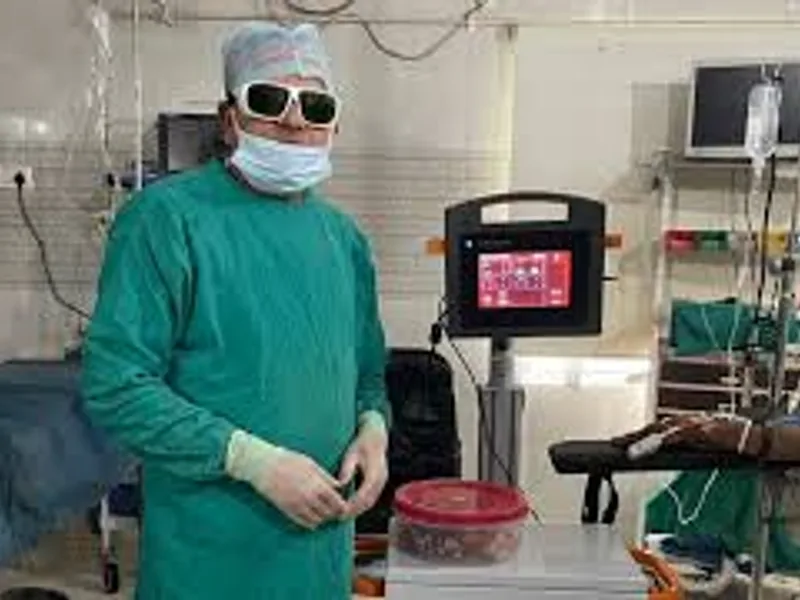
Advanced technology can significantly improve surgical precision and patient recovery. Look for hospitals equipped with modern operation theatres, digital X-ray facilities, and potentially robotic-assisted surgery systems. A hospital that adheres to stringent infection control protocols, as recommended by WHO guidelines, is also crucial.
Does this sound familiar? The fear of infection is a major concern for many patients.
Post-Operative Care and Rehabilitation
Recovery doesn't end with surgery. Excellent post-operative care and a robust rehabilitation program are essential for regaining mobility and function. The hospital should have dedicated physiotherapy and rehabilitation services.
In real-world terms, a strong physiotherapy team helps sufferers achieve faster and more complete recovery. Many of us have experienced the importance of good physical therapy after an injury.
Patient Reviews and Success Rates
Online reviews and patient testimonials can offer valuable insights into a hospital's quality of care. Look for consistent positive feedback regarding surgical outcomes, staff attentiveness, and overall patient experience. While specific success rate data can be hard to find for smaller regions, overall patient satisfaction is a good indicator.
Cost and Insurance Coverage
Knee replacement surgery is a significant investment. Understand the total cost involved, including pre-operative tests, surgery, hospital stay, and post-operative care. Check if the hospital accepts your health insurance and what services are covered. Transparent billing practices are a must.
And yet, so many people miss it.
Leading Orthopaedic Specialists in Dumka
Dumka boasts several skilled orthopaedic specialists. While naming specific individuals requires local market knowledge beyond this scope, seeking recommendations from your primary care physician or current healthcare providers is a good starting point.
You can also inquire at larger multi-specialty hospitals in the region about their visiting or in-house orthopaedic consultants. These specialists often bring years of dedicated practice to treating joint ailments.
The Surgical Journey: What to Expect
Before surgery, you'll undergo a thorough medical evaluation. This includes blood tests, an electrocardiogram (ECG), and X-rays of your knee. Your surgeon will discuss the procedure, risks, and expected recovery timeline. Pain management is a key focus throughout the process.
During Surgery
The surgery typically takes 1-2 hours. You'll be under general or spinal anaesthesia. The surgeon will meticulously prepare the bone surfaces and implant the artificial joint components. The use of minimally invasive techniques is becoming more typical, leading to smaller incisions and potentially faster healing.
It sounds simple. It rarely is.
After Surgery
You'll likely stay in the hospital for 2-5 days. Pain management will be a priority. Early mobilization, starting with simple exercises in bed, is encouraged. Physiotherapy will begin shortly after surgery to help you regain strength and range of motion. What's the bottom line here? Proactive rehabilitation is key to success.
Recovery and Rehabilitation
The recovery period varies, but most people can walk with assistance within a few weeks. Full recovery, allowing for most daily activities, can take 3-6 months. Initially, you might need crutches or a walker.
Following your physiotherapist's instructions diligently is vital. Simple exercises, like knee bends and calf raises, will be part of your routine. Remember, consistency is more impactful than intensity in the early stages.
Home Care and Lifestyle Adjustments
Adapting your home environment can make recovery smoother. Consider installing grab bars in the bathroom and removing tripping hazards. Low-impact exercises like swimming and cycling are excellent for long-term joint health.
That alone changes everything.
Maintaining a healthy weight also significantly reduces stress on your new knee joint. India has a growing prevalence of obesity, with over 200 million people estimated to be overweight or obese (WHO, 2022), making weight management crucial.
Potential Risks and Complications
While knee replacement surgery is generally safe and effective, like any major surgery, it carries some risks. These can include infection, blood clots (deep vein thrombosis or DVT), implant loosening, nerve or blood vessel damage, and persistent pain.
Experienced surgical teams and adherence to strict protocols minimise these risks. The overall complication rate for knee replacement surgery is low, typically less than 2% according to major international studies.
Living with a Replaced Knee
A successful knee replacement can dramatically strengthen your mobility and reduce pain, allowing you to return to many activities you enjoy. It’s about regaining independence and enjoying life more fully. Think of it as getting your favourite chai and samosa with ease again!
And yet, so many people miss it.
The Importance of Choosing Wisely
Selecting a hospital in Dumka for your knee replacement requires careful consideration. Prioritise facilities with experienced surgeons, modern technology, and comprehensive rehabilitation services.
Don't hesitate to ask questions and seek second opinions. Your commitment to the recovery process, alongside expert medical care, is the winning formula.
Key Takeaways
- Knee replacement surgery effectively treats severe knee pain from conditions like osteoarthritis.
- Look for experienced orthopaedic surgeons and hospitals with advanced technology in Dumka.
- Comprehensive post-operative care and physiotherapy are vital for successful recovery.
- Patient reviews and transparent cost structures are vital selection criteria.
- Adherence to medical advice and a dedicated rehabilitation plan lead to enhanced mobility.
Frequently Asked Questions
How long does knee replacement surgery take?
A typical total knee replacement surgery takes about 1 to 2 hours to complete. The exact duration can vary depending on the complexity of the case and the surgeon's technique.
What is the recovery time for knee replacement?
Most people can walk with assistance within a few weeks after surgery. Full recovery, allowing for most daily activities, generally takes 3 to 6 months. Consistent physiotherapy is essential for optimal results.
Can I resume sports after knee replacement?
Low-impact activities like swimming, golf, and cycling are usually encouraged. High-impact sports such as running or football are generally not recommended to protect the artificial joint. Always discuss your activity plans with your orthopaedic specialist.
What are the signs of infection after knee replacement?
Signs of infection can include increased pain, swelling, redness, warmth around the knee, fever, or chills. If you notice any of these indicators, seek immediate medical attention from your doctor or hospital.
Always consult a qualified physician before making medical decisions.