Varicose Veins Diet: Foods to Include for Better Vein Health
Meena, 45, a homemaker from Jaipur, noticed her varicose veins worsening after the monsoon. The increased humidity and her tendency to sit cross-legged for extended periods during religious gatherings seemed to aggravate the throbbing pain and swelling in her legs.
"My doctor mentioned my diet could be playing a role, but I was confused about what to eat," she confessed. For millions like Meena across India, understanding the link between diet and varicose veins is crucial for managing this common vascular condition.
What most people miss: Varicose veins, characterised by enlarged, twisted vessels often visible under the skin, aren't just a cosmetic concern; they can lead to discomfort, pain, and potentially more serious complications. While genetics and prolonged standing or sitting are primary culprits, dietary choices significantly impact inflammation, circulation, and overall vascular well-being.
Incorporating specific nourishment can help strengthen vessel walls, reduce swelling, and improve circulatory flow.
The Role of Diet in Varicose Vein Management
Here's the thing — the sustenance we consume directly influences our circulatory system. Nutrient deficiencies, excess sodium, and inflammatory edibles can exacerbate venous insufficiency.
Conversely, a diet rich in fibre, antioxidants, and bioflavonoids can offer substantial relief. The Indian culinary landscape, with its diverse array of fruits, vegetables, legumes, and spices, offers a wealth of options to support vessel well-being.
It sounds simple. It rarely is.
Foods That aid Combat Varicose Veins
1. High-Fibre Foods: The Digestive and Circulatory Boost
Fibre is your ally in fighting varicose veins. Why? It aids in maintaining a healthy weight, preventing constipation which can increase abdominal pressure and hinder circulatory flow from the legs.
Over 101 million Indians have diabetes (ICMR, 2023), and managing weight is paramount for many well-being conditions, including venous issues. High-fibre edibles also benefit regulate sugar levels, indirectly benefiting vascular well-being.
- Whole Grains: Opt for brown rice, whole wheat roti (especially during cooler months when heavy dals are typical), oats, and millets like ragi and jowar. These are staples in many Indian households and provide sustained energy and ample fibre.
- Legumes and Pulses: Lentils (dal), chickpeas (chana), kidney beans (rajma), and black-eyed peas (lobia) are excellent sources of fibre and protein. Incorporating a bowl of dal or a chana chaat into your daily meals can make a significant difference.
- Fruits: Berries (strawberries, blueberries, raspberries), apples, pears, and guava are packed with fibre. Include a serving of seasonal fruits with your breakfast or as a mid-day snack.
- Vegetables: Leafy greens like spinach (palak) and fenugreek leaves (methi), along with broccoli, carrots, and beans, are fibre powerhouses. Aim to include at least two servings of vegetables with lunch and dinner.
2. Foods Rich in Bioflavonoids: Strengthening Vein Walls
Bioflavonoids, particularly compounds like Rutin and Diosmin, are vital for vascular well-being. They aid strengthen capillary walls, reduce inflammation, and prevent pooling in the vessels. Honestly, these compounds are unsung heroes in the fight against varicose veins.
- Citrus Fruits: Oranges, lemons, and grapefruits contain Vitamin C and bioflavonoids that optimise circulation and reduce swelling. A glass of nimbu pani (lemonade) without added sugar can be refreshing and beneficial.
- Berries: As mentioned, berries are rich in antioxidants and flavonoids. Their vibrant colours often indicate a high concentration of beneficial compounds.
- Apples: The skin of the apple is particularly rich in quercetin, a potent flavonoid.
- Onions and Garlic: These typical Indian kitchen ingredients contain quercetin and allicin, which have anti-inflammatory properties and can enable enhance circulatory flow.
- Dark Chocolate (in moderation): Rich in flavanols, a small piece of dark chocolate can contribute to improved vessel function.
3. Anti-inflammatory Foods: Calming the Swelling
Inflammation plays a major role in the progression of varicose veins. Edibles that combat inflammation can assist alleviate pain and swelling. The World Health Organization (WHO) highlights the global burden of inflammatory diseases, underscoring the importance of an anti-inflammatory diet.
- Fatty Fish: Salmon, mackerel, and sardines are rich in Omega-3 fatty acids, potent anti-inflammatories. While not as usual in daily Indian diets as in Western ones, incorporating them a couple of times a week can be highly beneficial.
- Nuts and Seeds: Walnuts, almonds, flaxseeds, and chia seeds provide Omega-3s and fibre. A small handful of mixed nuts can be a healthy snack.
- Turmeric: This golden spice, a staple in Indian cooking, contains curcumin, a powerful anti-inflammatory compound. Adding turmeric to your curries and dals is a simple yet effective way to harness its benefits.
- Ginger: Another widespread Indian spice, ginger, possesses anti-inflammatory and antioxidant properties.
4. Foods Promoting Good Circulation
Maintaining healthy circulatory flow is paramount. Certain edibles can support dilate vessels and prevent clot formation.
- Watermelon: This hydrating fruit contains lycopene, an antioxidant that may assist enhance vessel function.
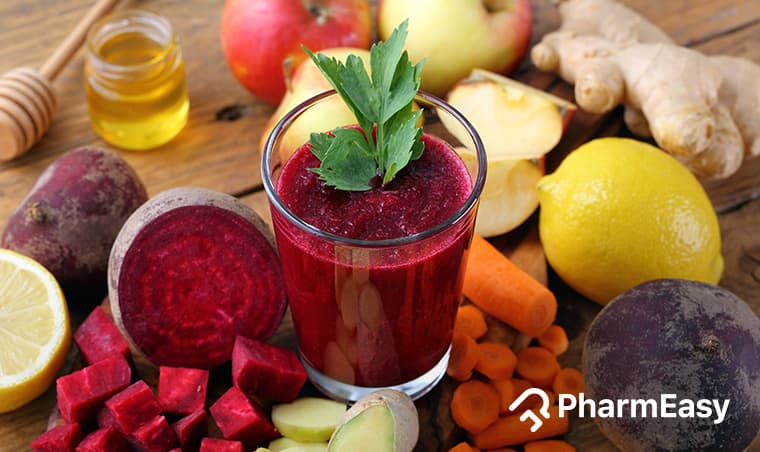
- Beetroot: Rich in nitrates, beetroot can aid lower pressure and optimise circulatory flow. A simple beetroot salad or juice can be incorporated into your meals.
- Leafy Greens: Spinach and kale are good sources of nitrates, which the body converts to nitric oxide, aiding vasodilation.
Foods to Limit or Avoid
Just as some edibles enable, others can hinder your progress. Reducing intake of inflammatory and sodium-rich items is essential.
- High-Sodium Foods: Processed items, pickles (achar), papad, and excessive salt intake can lead to fluid retention and worsen swelling. While achaar is a beloved accompaniment to many Indian meals, moderation is key.
- Refined Carbohydrates: White bread, white rice (in excess), pastries, and sugary drinks contribute to inflammation and weight gain.
- Excessive Saturated and Trans Fats: Found in fried items, fatty meats, and baked goods, these fats can negatively impact cardiovascular well-being and circulation.
- Alcohol: Excessive alcohol consumption can dehydrate the body and contribute to inflammation.
Hydration is Key
Staying adequately hydrated is crucial for maintaining circulatory volume and ensuring smooth flow. Aim for at least 8-10 glasses of water daily. Coconut water and fresh fruit juices (without added sugar) can also contribute to your fluid intake. Sometimes, the simplest solutions are the most successful. Drink up. This is important.
The numbers don't lie.
Lifestyle Adjustments Alongside Diet
While diet is a powerful tool, it works best in conjunction with other lifestyle changes. Regular, moderate exercise—like walking or swimming—improves circulation.
Avoiding prolonged periods of sitting or standing, elevating your legs when resting, and wearing compression stockings (as recommended by your doctor) are also vital. Remember Meena's habit of sitting cross-legged; consciously avoiding such postures can support.
So what does that mean for you? By making informed dietary choices and integrating them with healthy lifestyle habits, you can significantly manage the symptoms of varicose veins and boost your overall well-being. The journey to better vein health is often a gradual one, paved with consistent, mindful choices.
Expert Insights and Indian Context
Leading institutions like the All India Institute of Medical Sciences (AIIMS) often emphasize a holistic approach to vascular well-being, integrating diet, exercise, and medical management. Research published in journals like The Lancet has consistently shown the link between dietary patterns and chronic diseases, including those affecting the vascular system.
The International Diabetes Federation (IDF) also notes the interconnectedness of conditions like diabetes and circulatory problems, further stressing the importance of a balanced diet.
But why does this happen? The underlying mechanism often involves weakened vessel valves and walls, which struggle to pump blood efficiently back to the heart against gravity.
Factors like increased venous pressure, inflammation, and oxidative stress can degrade these structures over time. Diet directly influences these factors, either by providing protective nutrients or by contributing to the damaging processes.
The numbers don't lie.
Consider the cultural practice of sitting on the floor during festivals or family gatherings. While it's a cherished tradition, prolonged periods in such positions can impede circulation.
Being mindful of these habits and incorporating dietary changes can mitigate potential risks. The Indian diet, rich in spices like turmeric and ginger, naturally offers anti-inflammatory benefits that can be particularly helpful.
Key Takeaways
- Incorporate high-fibre foods like whole grains, legumes, fruits, and vegetables to aid digestion and circulation.
- Include sources of bioflavonoids (citrus fruits, berries, onions) to strengthen vessel walls.
- Emphasize anti-inflammatory edibles such as fatty fish, turmeric, and ginger to reduce swelling and pain.
- Limit intake of high-sodium, processed, and refined carbohydrate items that can worsen signs.
- Stay well-hydrated by drinking plenty of water throughout the day.
Always consult a qualified physician before making any medical decisions.