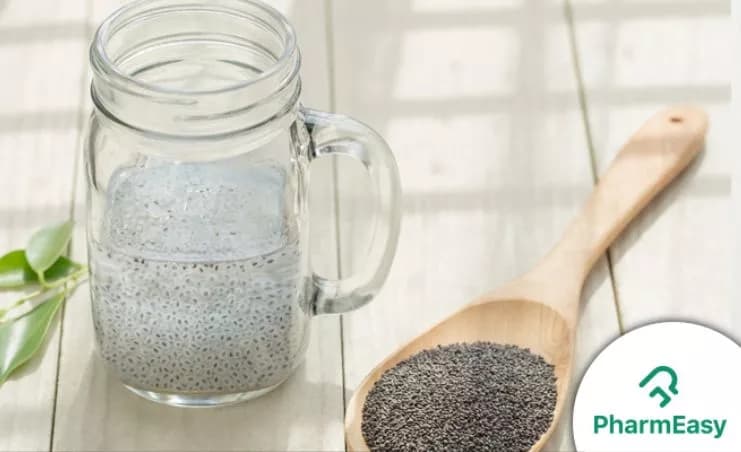
Sabja Seeds: A Natural Boon for Indian Well-being
Meena, 45, a homemaker from Jaipur, experienced a persistent burning sensation in her stomach after meals, particularly during the scorching summer months. Her grandmother, a fount of traditional knowledge, suggested soaking sabja seeds – diminutive black specks often mistaken for chia – in liquid and consuming the gel-like mixture.
To Meena's astonishment, her discomfort considerably lessened within a week. This is merely one of countless anecdotes illustrating the underestimated potential of sabja seeds, locally recognized as tukmaria or falooda components.
Indeed, these unassuming components, originating from the sweet basil plant (Ocimum basilicum), have been a cornerstone in Ayurvedic and traditional Indian households for generations. Their soothing qualities render them especially valuable during India's intense heatwaves.
Have you ever pondered the reason? It stems from their remarkable capacity to pacify and calm the body's internal warmth.
The Science Behind Sabja Seeds' Well-being Advantages
While ancestral wisdom praises their virtues, contemporary science is starting to affirm many of these assertions. Sabja components are nutritional powerhouses, brimming with vital vitamins, minerals, and antioxidants.
Most people overlook this completely.
The significant aspect is that they are an exceptional source of dietary roughage, providing a substantial portion of your daily necessity in just a couple of spoonfuls. This roughage content is fundamental to many of their well-being advantages.
Digestive Well-being Champion
The abundant mucilage content in sabja components is their defining characteristic for digestion. Upon soaking, they develop a gelatinous envelope around themselves.
This envelope functions as a protective shield for the stomach lining, easing irritation and inflammation. In numerous instances, this can alleviate common digestive complaints such as acidity and indigestion, which are widespread issues for many Indians owing to dietary practices and stress.
Additionally, the soluble roughage fosters the proliferation of beneficial gut microorganisms, acting as a prebiotic. A flourishing gut microbiome is increasingly associated with overall vitality, from enhanced immunity to improved mood regulation.
Investigations indicate that sufficient roughage consumption can help avert constipation and encourage consistent bowel movements. This is particularly pertinent in India, where digestive ailments are a frequent concern.
This is where most patients struggle.
Soothing Agent and Hydration Assistant
Throughout the sweltering Indian summers, discovering methods to remain tranquil is paramount. Sabja components are celebrated for their potent calming properties.
Ingesting them can assist in reducing body temperature, making them an ideal addition to warm-weather beverages like falooda, lemonade, or even plain liquid. The components absorb liquid and expand, releasing a tranquil essence that helps dissipate internal heat.
The truth is, maintaining adequate hydration is critical, especially in tropical environments. Sabja components, by absorbing substantial quantities of liquid, can contribute to your daily fluid intake, aiding in the prevention of dehydration. A spoonful of components can absorb up to 27 times its mass in liquid!
Potential Role in Blood Sugar Regulation
For the more than 101 million Indians estimated to have diabetes (ICMR, 2023), managing glucose levels is a daily hurdle. Sabja components demonstrate encouraging promise in this domain.
Their substantial roughage content, particularly the soluble roughage, can aid decelerate the absorption of glucose into the circulatory system. This results in more consistent blood glucose readings post-meal, averting abrupt surges and declines.
Research, including studies published in journals such as the *International Journal of Food Science and Nutrition*, suggests that basil components can enhance insulin sensitivity. While not a substitute for prescribed treatments or medical counsel, integrating sabja components into a balanced diet may offer supplementary assistance for individuals managing diabetes or prediabetes.
Most people overlook this completely.
The IDF Diabetes Atlas 2021 underscores the escalating burden of diabetes in India, making natural dietary aids like sabja components increasingly relevant.
Weight Management Support
Achieving a healthy weight is a usual aspiration, and sabja components can serve as a valuable ally. Their capacity to absorb liquid and expand considerably means they swell within the stomach, fostering a sensation of fullness (satiety).
This can support curb cravings and reduce overall calorie consumption, positioning them as a beneficial addition to weight management strategies.
The roughage also assists in digestion and metabolic processes. Consuming a glass of liquid with soaked sabja components before a meal can be an effective tactic for controlling portion sizes. This represents a straightforward yet potent approach, especially considering the prevalence of lifestyle-related ailments in India.
Rich Source of Nutrients
Beyond roughage, sabja components provide a commendable profile of essential nutrients. They contain minerals such as calcium, magnesium, iron, and phosphorus, which are indispensable for skeletal integrity, energy generation, and oxygen transport.
The components also supply Vitamin K, crucial for bone metabolism and blood coagulation, and contain plant-derived omega-3 fatty acids, recognized for their anti-inflammatory effects.
While not a primary provider of these nutrients compared to other foodstuffs, their inclusion enhances the overall nutritional merit of your dietary intake. For instance, iron is vital, and deficiencies are widespread, particularly among women in India.
That alone changes everything.
Antioxidant Properties
Sabja components are abundant in polyphenols and other antioxidants. These compounds aid in combating oxidative stress within the body by neutralizing detrimental free radicals.
Oxidative stress is implicated in chronic conditions like cardiovascular disease, cancer, and the aging process. The antioxidant potency of sabja components contributes to their general well-being-promoting impacts.
How to Incorporate Sabja Components into Your Diet
Integrating sabja components into your daily regimen is remarkably straightforward. What is the recommended approach? The most prevalent method involves soaking.
Soaking Sabja Components
To prepare them, take approximately 1-2 teaspoons of sabja components and rinse them thoroughly under running liquid. then, immerse them in a glass of liquid (around 200-250 ml) for about 15-30 minutes. They will swell and develop a gel-like, translucent outer layer. Consume this mixture as is, or incorporate it into beverages and dishes.
Sabja Components in Beverages
They are famously utilized in Indian drinks such as falooda, a widely appreciated dessert beverage. You can also add soaked sabja components to lemonade, fresh fruit juices, blended drinks, or buttermilk (chaas). This introduces a distinctive texture and enhances the nutritional value of your drink.
Sabja Components in Food
Beyond beverages, soaked sabja components can be mixed into yogurt, oatmeal, or kheer. They can even be sprinkled over salads or used as a topping for desserts. Envision enjoying your morning poha or upma with a scattering of these tiny nutritional powerhouses!
Recovery is rarely linear.
Sabja Components for Soothing Beverages
During festivities like Diwali or Holi, when rich, often fried, foods are consumed, a calming drink featuring sabja components can be advantageous. A simple glass of liquid with soaked components and a hint of mint can aid digestion and enable you feel refreshed, balancing dietary indulgences.
Potential Adverse Effects and Precautions
While sabja components are generally safe for most individuals when consumed in moderation, certain precautions warrant consideration. Candidly, excessive intake can lead to complications.
Digestive Discomfort
If you ingest large quantities of sabja components, particularly without sufficient liquid, you might experience abdominal distension or constipation due to the high roughage content. It is imperative to commence with modest amounts and ensure you consume ample fluids throughout the day.
Interactions with Medications
Sabja components may potentially impede blood coagulation. If you are taking anticoagulant medication (such as warfarin), it is prudent to consult your physician before routinely consuming sabja components. They might also interact with specific diabetes medications by further reducing blood glucose levels.
Hormonal Effects
There exists some preliminary scientific inquiry suggesting that sabja components might exhibit estrogenic properties. Consequently, expectant and nursing mothers, or individuals with hormone-sensitive conditions, should exercise prudence and seek professional medical counsel before use.
The numbers don't lie.
Allergic Reactions
Although infrequent, adverse reactions are a possibility. Should you encounter any unfavorable responses, discontinue use promptly.
Sabja Components Versus Chia Components
Numerous individuals erroneously associate sabja components with chia components owing to their similar visual characteristics. However, they are distinct.
Sabja components are derived from the sweet basil plant, whereas chia components originate from the mint family plant *Salvia hispanica*. While both are nutritious and become gelatinous when soaked, their flavor profiles differ subtly – sabja components possess a milder, more herbaceous taste.
The nutritional compositions are also subtly varied. Chia components generally contain higher quantities of omega-3 fatty acids and calcium in comparison to sabja components.
Nevertheless, sabja components frequently excel in certain minerals and exhibit more potent cooling properties, making them a favored selection in many Indian households for warm-weather refreshments.
Conclusion: Embrace the Power of Sabja Components
Sabja components represent a versatile, natural ingredient boasting a remarkable array of well-being advantages, deeply embedded in Indian heritage. From assisting digestion and cooling the body to potentially supporting blood sugar regulation and weight management, these minute components deliver a notable impact.
Their simplicity of application renders them an accessible addition to virtually any diet.
The reality is, embracing such traditional remedies, supported by mounting scientific validation, can contribute substantially to holistic well-being. They offer a gentle, natural method to support your body's functions. Bear in mind that consistency and measured consumption are crucial for realizing their benefits.
That's the part worth remembering.
Key Insights:
- Sabja components are rich in soluble roughage, aiding digestion and promoting gut vitality.
- They possess natural cooling attributes, beneficial for counteracting summer heat in India.
- Their roughage content may assist in managing glucose levels by slowing glucose absorption.
- Sabja components can aid weight management by inducing satiety and curbing appetite.
- They serve as a good source of minerals and antioxidants, contributing to overall vitality.
Always seek guidance from a qualified medical practitioner before making any health-related decisions.