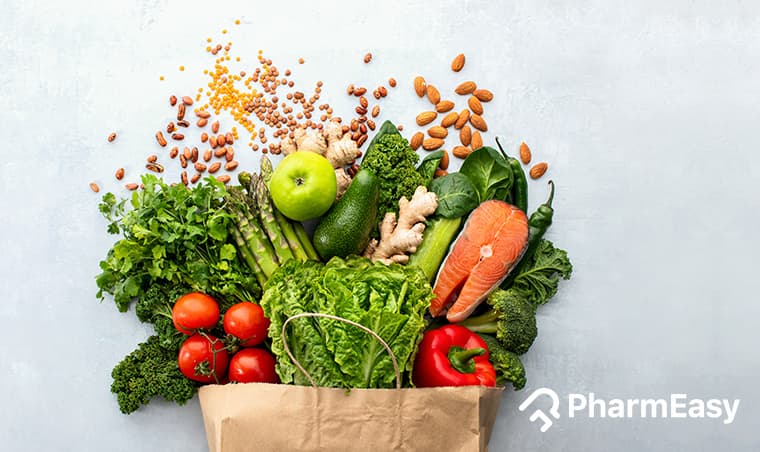
Dietary Choices for Hemorrhoid Relief: Best Options and Foods to Avoid
Meena, 45, a homemaker from Jaipur, noticed a persistent, uncomfortable itching and occasional bleeding after passing stool. Initially, she dismissed it, attributing it to her regular eating habits. However, the symptoms worsened, making even simple daily tasks difficult.
Her family doctor suggested dietary modifications, focusing on nourishment that promotes digestive regularity and reduces strain. Meena’s experience highlights a common issue faced by many in India, where eating patterns can significantly impact conditions like hemorrhoids, also known as piles.
Hemorrhoids are swollen veins in the lower rectum and anus, often caused by straining during bowel movements, chronic irregularity, or diarrhoea. The reality is, managing hemorrhoids often begins with what you consume.
A well-balanced diet rich in plant matter and fluids can prevent irregularity, the primary culprit behind most hemorrhoid cases. Over 101 million Indians have diabetes (ICMR, 2023), and while not directly causing hemorrhoids, the prevalence of lifestyle diseases underscores the importance of dietary interventions for overall health, including digestive well-being.
Recovery is rarely linear.
Understanding Hemorrhoids and Your Diet
So what does that mean for you? Essentially, your food choices directly influence your digestive system's efficiency. When waste is hard and difficult to pass, it leads to straining, which exacerbates or even causes hemorrhoids. Conversely, soft, easily passed waste reduces pressure on the rectal veins.
The key to managing hemorrhoids through diet lies in two fundamental principles: increasing plant matter consumption and ensuring adequate hydration. Plant matter adds bulk to your waste, making it softer and easier to pass. Water, on the other hand, helps the plant matter do its job effectively, preventing it from causing blockages.
Best Nutritional Options for Hemorrhoid Relief
Incorporating the right nourishment can make a significant difference in alleviating hemorrhoid manifestations. Aim for a diet that includes a variety of plant matter sources. The recommended daily amount of plant matter for adults is around 25-30 grams. Unfortunately, many Indians consume much less, contributing to digestive issues.
Nutritional Sources Rich in Plant Matter to Embrace:
- Whole Grains: Opt for whole wheat bread, brown rice, oats, barley, and quinoa instead of refined grains like white bread and white rice. A bowl of oatmeal for breakfast can set a positive tone for your digestive health.
- Fruits: Pears, apples (with skin), berries (raspberries, blueberries, strawberries), oranges, and prunes are excellent choices. Prunes, in particular, are well-known for their natural laxative effect. A study published in The Lancet found that increasing fruit consumption significantly improved digestive regularity.
- Vegetables: Leafy greens like spinach, kale, and fenugreek (methi) are powerhouses of plant matter and nutrients. Other beneficial vegetables include broccoli, Brussels sprouts, carrots, and sweet potatoes. Many Indian households traditionally include a variety of these in their daily meals, often during monsoon when fresh produce is abundant and the body craves lighter, easier-to-digest nourishment.
- Legumes: Lentils (dal), beans (rajma, chana), peas, and chickpeas are fantastic sources of both soluble and insoluble plant matter. Including a bowl of dal or a bean curry in your main meals can substantially boost your plant matter consumption.
- Nuts and Seeds: Almonds, walnuts, flaxseeds, and chia seeds provide healthy fats and plant matter. A small handful of nuts as a snack or a tablespoon of seeds sprinkled over yogurt can be very beneficial.
The Importance of Hydration:
Adequate fluid consumption is crucial. Aim for at least 8-10 glasses of water per day. You can also include clear soups, herbal teas, and fresh fruit juices (in moderation) to meet your fluid needs. Coconut water is a popular and hydrating beverage in India, especially during warmer months.
That alone changes everything.
What most people miss: The synergy between plant matter and water is paramount. Without sufficient water, a high-plant matter diet can paradoxically lead to irregularity.
So, as you increase your plant matter consumption, ensure you're also increasing your fluid consumption proportionally. For instance, if you are having a large salad, make sure to drink an extra glass of water alongside it.
Foods to Avoid or Limit with Hemorrhoids
Certain foods can worsen irregularity, increase inflammation, or irritate the digestive tract, making hemorrhoid warning signs more severe. Identifying and limiting these is as important as embracing beneficial foods.
Triggers to Steer Clear Of:
- Low-Plant Matter Processed Foods: White bread, white rice, pastries, and processed snacks are low in plant matter and can contribute to irregularity.
- Fried and Greasy Foods: These are difficult to digest and can slow down digestive transit. Think of traditional Indian snacks like samosas and pakoras, which, while delicious, should be consumed sparingly if you suffer from hemorrhoids.
- Spicy Foods: While not everyone with hemorrhoids is sensitive to spice, for some, very spicy items can irritate the anal lining and worsen discomfort and bleeding. Indian cuisine often features a high level of spice; individuals should gauge their tolerance.
- Dairy Products (in excess): For some individuals, excessive consumption of milk, cheese, and other dairy products can contribute to irregularity.
- Red Meat: Red meat is low in plant matter and can be harder to digest, potentially leading to slower transit times and irregularity.
- Alcohol and Caffeine: Both alcohol and caffeine can be dehydrating, which can contribute to harder waste and irregularity. Limiting consumption is advisable.
But why does this happen? These items often lack plant matter, are hard to digest, or can cause dehydration, all of which contribute to straining during bowel movements, the primary aggravating factor for hemorrhoids.
Lifestyle Modifications for Hemorrhoid Management
Diet is a cornerstone of managing hemorrhoids, but it’s not the only factor. Lifestyle changes play an equally vital role. Regular physical activity helps stimulate digestive function.
Even moderate exercise like walking for 30 minutes daily can make a difference. For many in India, incorporating physical activity might mean taking the stairs instead of elevators or engaging in yoga, which also promotes relaxation and reduces stress—another factor that can influence digestive well-being.
That alone changes everything.
Practically speaking, avoiding prolonged sitting or standing is also recommended. If your work requires you to sit for long hours, take regular breaks to walk around. Similarly, if you stand for extended periods, try to shift your weight or take short breaks. Don't ignore the urge to pass stool; delaying it can lead to harder waste.
Sitting on the floor, a frequent practice in many Indian homes for meals or social gatherings, can sometimes put pressure on the rectal area, though it's generally less problematic than prolonged sitting on hard chairs. However, listening to your body is key.
When to Seek Professional Help
While dietary changes and lifestyle modifications can be highly effective, persistent or severe indicators require medical attention. If you experience major bleeding, severe pain, or if your manifestations don't improve with self-care measures, it's crucial to consult a doctor.
Institutions like the All India Institute of Medical Sciences (AIIMS) offer specialized care for such conditions.
The International Diabetes Federation (IDF) data often highlights the interconnectedness of lifestyle diseases; managing one often positively impacts others. Similarly, digestive health is linked to overall well-being. Early diagnosis and appropriate treatment, guided by healthcare professionals, are essential.
Here's where it gets interesting.
Key Takeaways
- Increase your daily consumption of plant matter from sources like whole grains, fruits, vegetables, and legumes.
- Ensure adequate hydration by drinking 8-10 glasses of water daily.
- Limit processed items, fried items, excessive spice, alcohol, and caffeine.
- Regular physical activity and avoiding prolonged sitting are crucial for digestive regularity.
- Consult a doctor for persistent or severe signs.
Always consult a qualified physician before making any medical decisions.