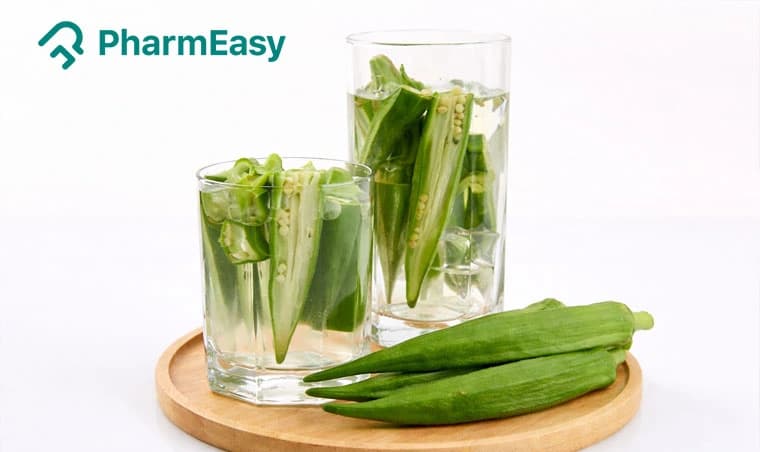
Okra Water: A Traditional Indian Elixir for Modern Wellness Concerns
Meena, 45, a homemaker from Jaipur, noticed her glucose readings creeping up, a worry amplified by her family history of diabetes. During a visit to her local Ayurvedic practitioner, she was introduced to a simple, age-old remedy: okra liquid. This humble vegetable, a staple in Indian cuisine, holds surprising potential when consumed as a beverage.
But why does this happen? Understanding the science behind okra liquid can empower individuals to incorporate it into their wellness routines effectively.
The reality is, many traditional practices are being re-examined through a modern scientific lens, and okra liquid is no exception. Its preparation is straightforward, often involving soaking sliced okra pods in liquid overnight.
The resulting fluid, sometimes referred to as ‘bhindi water’ in Hindi, is believed to possess a range of health-promoting properties. These benefits are often attributed to the unique nutritional profile of okra, which is rich in vitamins, minerals, and soluble fibre.
What Exactly Is Okra Water?
Okra liquid is essentially the fluid extracted from okra pods (Abelmoschus esculentus) after they have been soaked in liquid, typically overnight. The pods release a viscous substance called mucilage, which contributes to the slightly slimy texture often associated with cooked okra. This mucilage is a key component believed to be responsible for many of okra liquid's purported wellness benefits. The preparation is deceptively simple, often requiring just two main ingredients: fresh okra and liquid. This accessibility makes it an attractive option for those seeking natural wellness solutions.
The Science-Backed Benefits of Okra Water
While research is ongoing, several studies and traditional observations suggest significant wellness advantages associated with regular consumption of okra liquid. Its potential to aid in glucose management is perhaps its most widely discussed benefit.
Recovery is rarely linear.
Blood Sugar Regulation
One of the most compelling reasons people turn to okra liquid is its potential role in managing glucose levels. Okra contains compounds like fibre and certain antioxidants that may help slow down sugar absorption in the intestinal tract. The soluble fibre, in particular, forms a gel-like substance which can modulate the rate at which glucose enters the bloodstream after a meal. Studies, though often preliminary or conducted on animals, have shown promising results. For instance, research published in journals like the Journal of Nutritional Science and Vitaminology has explored okra's hypoglycemic effects. Worth knowing: Over 101 million Indians have diabetes (ICMR, 2023), making effective glucose management a critical public wellness concern in the country.
So what does that mean for you? Incorporating okra liquid into a balanced diet, alongside regular exercise and medical supervision, might offer an additional layer of support for individuals managing diabetes or pre-diabetes. It’s not a cure, but a potential aid.
Cholesterol Management
The soluble fibre in okra, primarily pectin, is also believed to assist lower cholesterol levels. This fibre binds to cholesterol in the intestinal system and prevents its absorption into the bloodstream, thus aiding in the reduction of LDL (low-density lipoprotein), often referred to as 'bad' cholesterol. High cholesterol is a marked risk factor for heart disease, a leading cause of mortality globally.
The International Diabetes Federation (IDF) highlights the strong link between diabetes and cardiovascular complications, underscoring the importance of managing both conditions. Lowering cholesterol can contribute to better cardiovascular wellness.
Practically speaking, this means that for individuals concerned about their lipid profiles, okra liquid could be a beneficial addition to a heart-healthy lifestyle. A diet rich in fibre is consistently recommended by wellness organisations like the World Health Organization (WHO) for cardiovascular wellness.
That's the part worth remembering.
Digestive Health
The mucilage and fibre content in okra liquid can also promote a healthy intestinal system. Fibre adds bulk to stool, facilitating regular bowel movements and preventing constipation.
The mucilaginous nature of okra can also have a soothing effect on the stomach lining, potentially benefiting individuals suffering from indigestion or acid reflux. This traditional remedy’s gentleness makes it suitable for many.
Consider the cultural context: Many traditional Indian meals involve sitting on the floor, which can sometimes put pressure on the intestinal system. Aiding digestion can make these comfortable eating experiences even better.
A healthy gut microbiome is increasingly recognised as foundational to overall well-being, impacting everything from immunity to mental wellness.
Hydration and Nutrient Boost
Okra liquid is, at its core, liquid infused with nutrients. It provides a hydrating base while also delivering small amounts of vitamins (like Vitamin C and K) and minerals (such as magnesium and potassium) found in the okra pods.
This makes it a healthier alternative to sugary beverages, especially during the hot Indian summers when hydration is paramount. It offers a simple way to increase fluid intake while subtly enhancing nutrient consumption.
That's the part worth remembering.
Antioxidant Properties
Okra contains antioxidants, including flavonoids and polyphenols, which support combat oxidative stress in the body. Oxidative stress is linked to chronic diseases and premature aging.
While the quantity of these antioxidants in okra liquid might be less than in cooked okra, regular consumption could still contribute to the body's overall antioxidant defence system. These compounds support neutralise harmful free radicals.
How to Prepare Okra Water
Making okra liquid is incredibly simple and requires minimal effort. Here’s a basic recipe that yields excellent results:
Ingredients:
- 2-3 medium-sized fresh okra pods
- 1 glass (approx. 250 ml) of liquid
Instructions:
- Wash the okra pods thoroughly under running liquid. Pat them dry.
- Trim the ends of the okra pods. Some people prefer to slice them into 1-inch pieces, while others leave them whole. Slicing may release more nutrients.
- Place the prepared okra pods in a glass or container.
- Pour the liquid over the okra pods.
- Cover the container and let it soak overnight (or for at least 6-8 hours) in the refrigerator or at room temperature.
- In the morning, remove the okra pods from the liquid. The fluid may have a slightly thick or viscous consistency – this is normal.
- Your okra liquid is ready to drink. Consume it on an empty stomach, preferably in the morning.
You can adjust the number of okra pods based on your preference for consistency and taste. Some individuals add a squeeze of lemon juice or a few mint leaves for flavour. The key is consistency in preparation and consumption.
Potential Side Effects and Precautions
While generally considered safe for most people when consumed in moderation, okra liquid can have potential side effects, and certain precautions should be taken.
Digestive Upset
For some individuals, the high fibre content might initially cause gas, bloating, or stomach discomfort, especially if their intestinal system is not accustomed to a high-fibre intake. Starting with a smaller quantity and gradually increasing it can benefit mitigate these effects.
This is particularly relevant if you are transitioning from a low-fibre diet, common in some urbanised Indian settings.
Medication Interactions
The reality is, individuals taking anticoagulant medications like warfarin should exercise caution. Okra contains Vitamin K, which plays a role in clotting.
While the amount in okra liquid is generally not considerable enough to cause major issues, it’s wise to consult your doctor, especially if your intake of Vitamin K-rich foods varies significantly. Always discuss dietary changes with your healthcare provider when on medication.
It sounds simple. It rarely is.
Allergies
Though rare, some people may be allergic to okra. If you experience any allergic reactions such as itching, rash, or difficulty breathing after consuming okra liquid, discontinue use immediately and seek medical attention.
Kidney Stones
Okra contains oxalates, which can contribute to kidney stone formation in susceptible individuals. If you have a history of oxalate kidney stones, it is advisable to limit your intake of okra and okra liquid. Consulting a nephrologist is recommended in such cases.
Who Should Be Cautious?
Pregnant and breastfeeding women, individuals with pre-existing intestinal conditions like IBS, and those with a history of kidney stones should consult their healthcare provider before making okra liquid a regular part of their diet. A doctor or a registered dietitian can provide personalised advice based on your wellness status.
Okra Water vs. Other Health Drinks
Compared to commercially available wellness drinks often loaded with sugar and artificial ingredients, okra liquid stands out for its natural composition. Unlike popular detox juices or supplements, its benefits are rooted in the whole food itself.
This is where most patients struggle.
It doesn't promise miraculous transformations but offers a gentle, supportive role in a healthy lifestyle. It’s a simple, home-based remedy that aligns with the growing trend towards natural wellness solutions, mirroring ancient Indian wisdom adapted for contemporary life.
Here's the thing: The efficacy of okra liquid can vary from person to person. What works wonders for one might have a minimal effect on another. Factors like diet, lifestyle, and individual metabolism play crucial roles.
The anecdotal evidence is vast, but robust clinical trials on human subjects specifically for okra liquid are still limited compared to studies on okra itself. Research published by institutions like AIIMS (All India Institute of Medical Sciences) often highlights the importance of evidence-based practices, and while okra liquid has traditional backing, more rigorous scientific validation is continually sought.
Key Takeaways
- Okra liquid is made by soaking okra pods in liquid, releasing beneficial compounds like mucilage and fibre.
- Potential benefits include aiding glucose control and lowering cholesterol levels, supported by preliminary research and traditional use.
- It also contributes to intestinal wellness and provides hydration with minimal nutrients.
- Preparation is simple: soak sliced okra in liquid overnight and drink the infused fluid, ideally on an empty stomach.
- Potential side effects include intestinal upset for some, and caution is advised for those on anticoagulants or with a history of kidney stones.
Always consult a qualified physician before making any medical decisions.