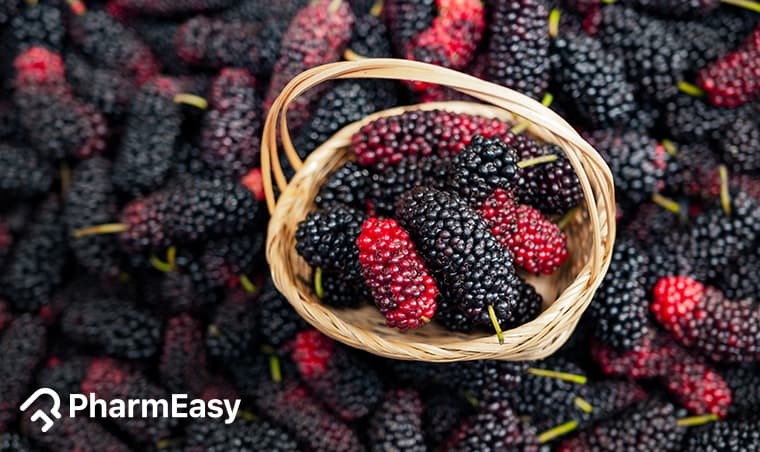
The Shahtoot: Nature's Sweet Gift for Indian Wellness
Meena, 45, a homemaker from Jaipur, noticed her energy levels dipping significantly, especially after the monsoon rains. She often felt fatigued and her skin appeared dull.
Her grandmother, a proponent of traditional remedies, suggested incorporating fresh 'Shahtoot' or these dark berries into her diet, recalling their historical use for vitality during seasonal transitions.
These dark berries, known as 'Shahtoot' in Hindi and Urdu, are more than just a delicious, juicy fruit enjoyed during the summer months across India. These small, vibrant fruits pack a powerful nutritional punch, offering a wide array of wellness benefits that have been recognized for centuries in both Ayurvedic and Unani medicine.
From boosting immunity to aiding in glycemic control, Shahtoot deserves a prominent place in your diet, especially given the increasing prevalence of lifestyle diseases in our country.
Consider this: India's diverse climate allows for the cultivation of various fruits, and these native Indian berries, particularly the Indian variety (Morus alba), have a long history of use. While often overshadowed by more exotic fruits, their accessibility and profound wellness advantages make them a true superfood.
In many cases, incorporating readily available local produce like these berries can be a more sustainable and effective approach to improving well-being than relying on expensive imported supplements.
That's the part worth remembering.
Nutritional Powerhouse: What Makes Shahtoot So Good?
These dark berries are a treasure trove of essential vitamins, minerals, and beneficial plant compounds. A typical 100-gram serving provides a good source of Vitamin C, Vitamin K, iron, potassium, and dietary fiber.
They are also rich in anthocyanins, the compounds responsible for their deep red, purple, or white colours, which act as potent agents against cellular damage.
- Vitamins: Excellent source of Vitamin C, crucial for immune function and skin wellness. Also contains Vitamin K, important for coagulation and bone well-being.
- Minerals: Provides significant amounts of iron, vital for oxygen transport in the circulation, and potassium, which helps regulate pressure.
- Fiber: High fiber content aids digestion, promotes satiety, and helps regulate glucose levels.
- Beneficial Compounds: Rich in anthocyanins and other polyphenols that combat oxidative stress and inflammation.
Wellness Benefits of Shahtoot
The benefits of Shahtoot extend across various aspects of well-being. Their rich nutrient profile contributes to their therapeutic properties.
1. Supports Glycemic Control
For individuals managing diabetes, these dark berries can be a beneficial addition. Studies suggest that compounds found in them, such as DNJ (1-deoxynojirimycin), can help inhibit carbohydrate digestion, thereby reducing post-meal glucose spikes. While not a cure, regular consumption may contribute to better glycemic regulation.
Over 101 million Indians have diabetes (ICMR, 2023), making such dietary aids increasingly relevant. It's crucial to remember that these berries contain natural sugars, so moderation is key, especially for those monitoring their intake.
2. Boosts Immunity
The high Vitamin C content in these dark berries makes them excellent for bolstering the immune system. This essential nutrient stimulates the production of white corpuscles, which are the body's primary defense against infections.
Recovery is rarely linear.
Regular intake during flu season, which often coincides with the availability of fresh fruit in certain regions, can provide an extra layer of protection.
3. Promotes Heart Wellness
These dark berries contain compounds like anthocyanins, which have been linked to improved cardiovascular well-being. These compounds support reduce oxidative stress and inflammation, factors that contribute to heart disease. On top of that,, the potassium content helps in maintaining healthy pressure levels. Research published in The Lancet has repeatedly highlighted the role of beneficial plant compounds in preventing cardiovascular ailments.
4. Aids in Digestion
The substantial dietary fiber in Shahtoot promotes a healthy digestive system. Fiber adds bulk to stool, preventing constipation and promoting regular bowel movements.
It also acts as a prebiotic, feeding beneficial gut bacteria, which are essential for overall digestive wellness and nutrient absorption. Practically speaking, incorporating fiber-rich foods like these berries can make a noticeable difference in daily comfort.
5. Supports Anemia Treatment
Iron deficiency anemia is common, particularly among women in India. These dark berries are a good source of iron, which is crucial for the production of hemoglobin. Hemoglobin carries oxygen throughout the body.
Including them in the diet, alongside other iron-rich foods like spinach and lentils, can aid combat iron deficiency. Does this sound familiar? Many Indian diets, while rich in carbohydrates, might sometimes lack sufficient bioavailable iron.
6. Potential Anti-Cancer Properties
The beneficial plant compounds present in these dark berries, particularly anthocyanins and resveratrol, have shown promise in laboratory studies for their potential anti-cancer effects. These compounds can benefit neutralize harmful free radicals, which can damage cells and lead to cancer.
This is where most patients struggle.
While more human research is needed, their capacity to combat cellular damage is undeniable.
7. Enhances Skin Wellness
The Vitamin C and beneficial compounds in these dark berries contribute to radiant skin. Vitamin C is vital for collagen production, a protein that keeps skin firm and youthful. Agents against cellular damage combat free radical damage, which can accelerate aging. Enjoying fresh fruit can contribute to a healthier complexion from the inside out.
8. Supports Vision Wellness
Some traditional uses of these dark berries involve supporting eye wellness. While scientific evidence is still developing, the presence of compounds like zeaxanthin may play a role in protecting the eyes from age-related macular degeneration and other vision problems.
Traditional Indian Uses of Shahtoot
In India, these dark berries are not just eaten fresh. Their versatility lends them to various traditional preparations.
- Astringent Properties: The leaves and bark of the tree have been used in traditional medicine for their astringent properties, often applied topically for wound healing or as a gargle for sore throats.
- Juices and Syrups: Freshly squeezed berry juice is a popular summer drink, prized for its cooling effect and nutritional value. Syrups are sometimes prepared for medicinal purposes or as a sweet preserve.
- Dried for Later Use: The fruit can be dried and stored, preserving its nutrients for consumption throughout the year, especially useful during months when fresh produce is unavailable. This practice is frequent across many Indian households, much like drying mangoes or other seasonal produce.
- Ayurvedic Formulations: While not a primary Ayurvedic herb, these berries (often referred to by Sanskrit names related to their properties) are sometimes incorporated into formulations aimed at improving circulation quality, digestion, and vitality.
Shahtoot Varieties in India
The most typical species found in India are:
- Morus alba (White Variety): Native to China but widely cultivated in India. It produces sweet, often white or pale pink berries. This species is also known for its leaves being a primary food source for silkworms.
- Morus nigra (Black Variety): Known for its intensely flavoured, dark purple to black berries. It is less prevalent than the White variety but highly prized for its rich taste and beneficial compound content.
- Morus indica: Considered a subspecies or variety of Morus alba, often found growing wild or cultivated in various parts of India.
Potential Side Effects and Precautions
While generally safe for most people, there are a few considerations when consuming these dark berries:
- Digestive Upset: Consuming large quantities, especially if you are not accustomed to high-fiber foods, can lead to bloating, gas, or diarrhea. Start with small portions.
- Glucose Level Effects: Although beneficial for managing glucose levels, individuals on diabetes medication should monitor their levels closely and consult their doctor, as these berries can potentially interact with medications.
- Allergies: Though rare, some individuals may experience allergic reactions to them.
- Pesticide Residues: As with any fruit, it's advisable to wash them thoroughly before consumption, especially if they are not organically grown. This is particularly essential if you're eating them raw, perhaps after sitting on the floor during a family gathering, where hygiene is paramount.
So what does that mean for you? Understanding these potential effects helps in incorporating Shahtoot safely and effectively into your diet. Always listen to your body.
How to Incorporate Shahtoot into Your Diet
Enjoying these dark berries is simple and delicious:
- Fresh: Eat them straight from the tree or market – the easiest and most refreshing way!
- Smoothies: Blend them into your morning smoothie for added flavour and nutrients.
- Salads: Toss a handful into fruit or green salads for a burst of sweetness.
- Desserts: Use them in pies, tarts, jams, or simply as a topping for yogurt or ice cream.
- Juices: A refreshing glass of fresh berry juice is a perfect summer cooler.
The versatility of Shahtoot means you can easily find ways to enjoy its benefits, whether you prefer raw fruits or cooked preparations. Think about it this way: adding a handful of these berries to your breakfast cereal or evening yogurt can be a simple yet impactful step towards better nutrition.
Key Takeaways
- Shahtoot are nutrient-dense fruits rich in vitamins, minerals, fiber, and beneficial plant compounds.
- They offer major wellness benefits, including support for glycemic control, immune function, and heart wellness.
- Traditional Indian medicine has utilized various parts of the tree for their therapeutic properties.
- While generally safe, consume them in moderation to avoid potential digestive upset and consult a doctor if you have pre-existing conditions or are on medication.
- Shahtoot can be easily incorporated into the diet as fresh fruit, smoothies, juices, or desserts.
Always consult a qualified physician before making any medical decisions.