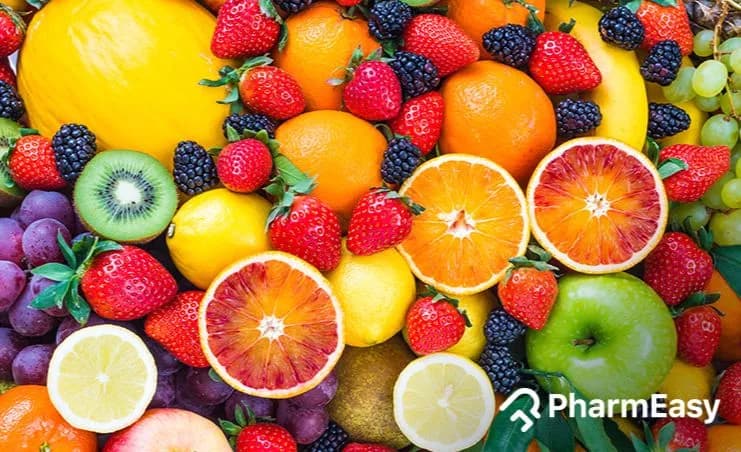
Optimal Diet for Managing Kidney Stones
Meena, 45, a homemaker from Jaipur, experienced a sharp, agonizing discomfort in her lower back that extended towards her abdomen. Following a series of examinations, she was diagnosed with renal calculi. Much like many individuals in India, Meena was taken aback, as she hadn't considered her eating habits a primary concern.
The truth is, dietary selections significantly influence the development and management of these mineral deposits, a condition affecting millions nationwide. Understanding what to consume and what to limit can profoundly impact your well-being and deter recurring formations.
Renal calculi, or kidney concretions, are solid masses composed of minerals and salts that form within your kidneys. They can induce extreme pain as they travel through the urinary tract. In India, the occurrence of these concretions is substantial, with projections indicating that as many as 12% of the populace might develop them at some juncture in their lives.
Contributing elements include genetics, climate (particularly the intense Indian summers leading to dehydration), and dietary patterns. Practically speaking, identifying the nature of these concretions is vital for tailored dietary adjustments.
That's the part worth remembering.
Dissecting Different Varieties of Kidney Concretions
The most prevalent forms of renal concretions are calcium oxalate deposits, constituting approximately 80% of all instances. Uric acid deposits represent the second most frequent, succeeded by struvite and cystine concretions. Each variety necessitates specific dietary considerations.
Calcium Oxalate Deposits
These formations arise when calcium in your excretions crystallizes with oxalate. Elevated oxalate levels are present in certain food items, and insufficient fluid consumption exacerbates the situation. The critical point here is not to eliminate calcium entirely but to regulate its consumption alongside other elements.
Beneficial Items to Consume:
- Sufficient Calcium: Counterintuitively, obtaining adequate dietary calcium is essential. Calcium binds with oxalate in the digestive system, preventing its absorption and subsequent excretion in the urine. Aim for 1000-1200 mg of calcium each day, ideally sourced from edibles such as low-fat dairy products (milk, yogurt, paneer), fortified plant-based beverages, and leafy greens (though be mindful of oxalate levels in some, like spinach).
- Ample Hydration: Increasing fluid consumption is paramount. Aim for 2.5 to 3 liters of water daily, or enough to maintain a pale yellow hue in your urine. This aids in diluting stone-forming substances. Coconut water and lemon-infused water can be valuable additions.
- Fruits and Vegetables: Most fruits and vegetables are excellent choices, supplying vital vitamins and minerals and helping to make the urine less acidic. Citrus fruits like lemons and limes are particularly advantageous due to their high citrate concentration, which hinders concretion formation.
- Whole Grains: Select whole grains such as oats, brown rice, and whole wheat roti. They offer fiber and essential nutrients.
- Lean Protein Sources: Moderate consumption of lean protein options like fish, chicken, and lentils is acceptable.
Items to Exclude or Reduce:
- High-Oxalate Provisions: While not all oxalate-rich provisions demand complete avoidance, restraint is key. Examples include spinach, rhubarb, nuts (especially almonds), chocolate, sweet potatoes, beets, and okra. Pairing these with calcium-rich edibles can help diminish oxalate absorption.
- High-Sodium Provisions: Excessive salt consumption elevates calcium levels in the urine. Limit processed items, pickles, papads, salted snacks, and excessive table salt. The WHO advises less than 5 grams of salt daily.
- Animal Proteins: High consumption of animal proteins (red meat, organ meats, eggs) can heighten the risk of calcium and uric acid deposits by increasing urinary calcium and decreasing urinary citrate.
- Vitamin C Supplements: Very substantial doses of Vitamin C supplements can transform into oxalate within the body. It is best to derive Vitamin C from natural food sources.
Uric Acid Deposits
These formations occur when the urine becomes overly acidic, leading to the crystallization of uric acid. This can be associated with diets high in purines and certain metabolic conditions. It's worth noting: The incidence of uric acid deposits is on the rise, partly attributed to dietary shifts.
Beneficial Items to Consume:
- Alkalizing Foods: Focus on fruits, vegetables, and dairy products that aid render the urine less acidic.
- Ample Hydration: Maintaining adequate fluid levels is crucial for diluting uric acid.
- Low-Purine Diet: Limit provisions high in purines, which metabolize into uric acid.
Items to Exclude or Reduce:
- High-Purine Provisions: This category includes organ meats (liver, kidney), red meat (particularly lamb and beef), shellfish, anchovies, sardines, and yeast extracts.
- Alcohol: Beer and other alcoholic beverages can boost uric acid production and hinder its elimination.
- Sugary Beverages: High-fructose corn syrup found in numerous sodas and processed drinks can elevate uric acid levels.
Dietary Approaches for Preventing Renal Calculi in the Indian Context
Tailoring general dietary guidance to the Indian culinary environment is essential. Many traditional Indian diets are abundant in vegetables and legumes, which are generally beneficial. However, certain practices warrant consideration.
It sounds simple. It rarely is.
Hydration: The Foundation of Prevention
Inadequate fluid consumption is a significant likelihood factor, especially during the sweltering Indian climate or after partaking in rich celebratory fare. 5-3 liters of fluid daily.
Lemonade (nimbu pani), buttermilk (chaas), and plain water are excellent selections. Avoid excessive consumption of sweetened beverages and potent, caffeinated teas or coffees, which can lead to dehydration.
Balancing Calcium and Oxalate
Numerous Indian dishes incorporate ingredients rich in oxalates, such as spinach (palak), beets (chukandar), and certain pulses. While these are nutritious, individuals susceptible to calcium oxalate deposits should consume them sparingly and always in conjunction with calcium-rich edibles.
For instance, enjoying a modest portion of palak paneer is generally preferable to consuming large quantities of plain spinach. The IDF (International Diabetes Federation) also emphasizes the connection between diet and metabolic well-being, which indirectly influences the likelihood of renal calculi.
Managing Sodium Consumption
Indian cuisine frequently features generous use of salt, and processed snacks like namkeen, papads, and pickles are widely popular. Reducing the intake of these high-sodium items is critical.
Preparing meals at home with less added salt and opting for fresh ingredients over processed alternatives can yield a substantial positive impact. Over time, you can retrain your palate to appreciate less salty flavors.
Recovery is rarely linear.
Protein Sources
While protein is indispensable, excessive consumption of animal protein, particularly from red meat and organ meats, should be curtailed. Lentils (dal), chickpeas (chana), and kidney beans (rajma) are superb plant-based protein alternatives that are generally safer.
Nevertheless, even these should be consumed in moderation as part of a balanced meal.
The Role of Citrate
Citrate, abundantly present in citrus fruits like lemons and limes, aids in preventing renal calculi by binding with calcium and inhibiting crystal proliferation. Incorporating lemon juice into your daily water, salads, and cooking represents a straightforward yet effective strategy.
Research published in The Lancet has highlighted the protective effects of adequate citrate levels in the urine.
What Actions Should You Take? Practical Measures
If you have a history of renal calculi or are at likelihood, consulting a healthcare provider is the initial step. They can assist in identifying the type of deposits you form and offer personalized dietary advice. Here is a general action plan:
- Elevate Fluid Intake: Make it a routine to drink water throughout the day. Carry a water bottle.
- Moderate Oxalate-Rich Provisions: Do not eliminate them entirely, but be conscious of serving dimensions and frequency.
- Diminish Sodium: Cut back on processed edibles, restaurant meals, and added salt.
- Limit Animal Protein: Choose plant-based proteins more often.
- Integrate Citrate: Add lemon or lime juice to your water and dishes.
- Maintain a Healthy Weight: Obesity is a likelihood factor for various health issues, including renal calculi.
But why does this occur? The formation of renal calculi is a complex mechanism influenced by urine concentration, pH levels, and the presence of stone inhibitors and promoters.
Factors such as insufficient fluid intake, elevated levels of certain minerals (like calcium and oxalate) or uric acid in the urine, and urinary tract infections can all contribute. For instance, investigations by the Indian Council of Medical Research (ICMR) have underscored regional disparities in stone composition and prevalence, frequently linked to local dietary habits and water quality.
That alone changes everything.
Illustrative Meal Concepts (Indian Context)
Morning Meal: Oats with milk and berries, or Idli/Dosa accompanied by sambar (moderate legumes) and a side of chutney. Ensure sufficient water consumption.
Midday Meal: Roti (whole wheat), a mixed vegetable curry (avoiding excessive spinach/beetroot), dal (moderate portion), curd, and a salad with a lemon dressing.
Evening Meal: Brown rice, grilled fish or chicken, a vegetable stir-fry, and a bowl of lentil soup.
Remember to adjust portion sizes based on individual requirements and medical guidance. Consuming meals at regular intervals, much like during traditional Indian festivals where mindful eating is encouraged, can also support digestion and overall health.
When to Seek Medical Assistance
Intense pain, blood in the urine, fever, chills, or persistent nausea/vomiting are indicators that necessitate immediate medical evaluation. These could signal a obstructed urinary pathway or an infection, which are serious complications.
AIIMS and other premier medical facilities in India attend to a considerable number of individuals presenting with such acute symptoms.
Crucial Reminders:
- Hydration is paramount: Aim for 2.5-3 liters of water daily to dilute urine.
- Moderate high-oxalate provisions such as spinach and nuts, particularly when consuming calcium-rich edibles concurrently.
- Significantly decrease sodium consumption by limiting processed items, pickles, and papads.
- Reduce the intake of animal proteins, especially red meat and organ meats.
- Incorporate citrate-rich edibles like lemons and limes to enable deter concretion formation.
Always consult a qualified physician before making any health-related decisions.