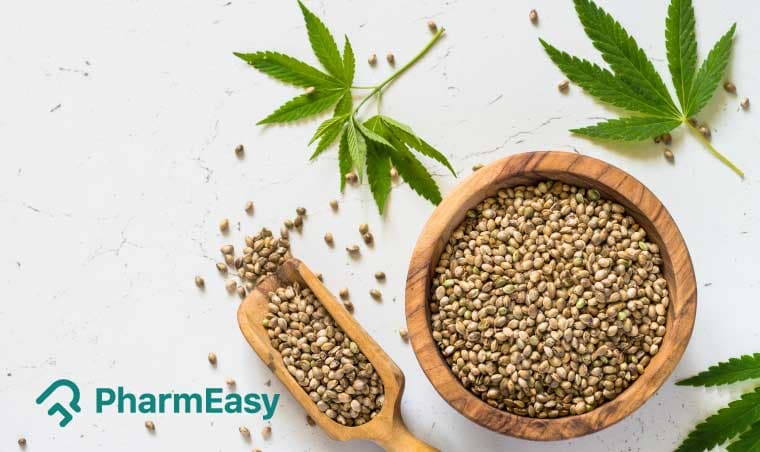
Hemp Seed: Uses, Benefits and Side Effects by Dr. Smita Barode
Meena, 45, a homemaker from Jaipur, noticed her skin becoming increasingly dry and dull, especially after the monsoon. She also felt a persistent lack of energy throughout the day.
Her doctor suggested incorporating nutrient-dense foods into her diet, and Meena stumbled upon information about hemp seeds. Intrigued by their potential wellness benefits, she decided to try them, hoping for a natural boost to her overall well-being.
The world of superfoods is vast and ever-expanding, but few boast the nutritional profile and versatility of hemp seeds. Often mistaken for their psychoactive cousins, hemp seeds are derived from the Cannabis sativa plant, specifically from varieties bred to contain negligible amounts of THC (tetrahydrocannabinol). This distinction is crucial, as hemp seeds are legal and widely available, offering a powerhouse of nutrients without any intoxicating effects. Practically speaking, they are a remarkable addition to a balanced Indian diet, supporting everything from cardiovascular function to skin vitality.
Nutritional Powerhouse: What Makes Hemp Seeds Special?
Hemp seeds are tiny powerhouses packed with essential nutrients. Their balanced macronutrient profile is particularly impressive. They contain approximately 30% protein, 40% fat, and 30% carbohydrates, making them an exceptionally nutrient-dense food. The protein content is noteworthy; it's a complete protein, meaning it contains all nine essential amino acids that our bodies cannot produce on their own.
This is rare for plant-based foods, making hemp seeds a valuable protein source, especially for vegetarians and vegans. In India, where vegetarianism is prevalent, this is a significant advantage. The protein in hemp seeds is also highly digestible, with studies suggesting digestibility rates between 65% and 93%.
The fat content is equally beneficial, primarily consisting of unsaturated fatty acids. Hemp seeds boast an ideal omega-6 to omega-3 fatty acid ratio, typically around 3:1. This ratio is considered optimal for human well-being, as it helps reduce inflammation and supports cardiovascular function.
It sounds simple. It rarely is.
For context, many Western diets have omega-6 to omega-3 ratios as high as 15:1 or even 20:1, which is pro-inflammatory. The healthy fats also contribute to satiety, helping you feel fuller for longer.
Key Nutrients in Hemp Seeds:
- Complete Protein: Rich in all nine essential amino acids.
- Healthy Fats: Excellent source of omega-3 and omega-6 fatty acids in an optimal ratio.
- Vitamins: Contain Vitamin E, thiamine (B1), riboflavin (B2), niacin (B3), Vitamin B6, and folate.
- Minerals: Good source of magnesium, phosphorus, potassium, sodium, sulfur, iron, zinc, and copper.
Wellness Benefits of Incorporating Hemp Seeds
The impressive nutritional profile of hemp seeds translates into a wide array of wellness benefits. Think about it this way: by simply adding a spoonful of these seeds to your meals, you can positively impact several bodily functions.
1. Heart Health Champion
The high content of omega-3 fatty acids, particularly alpha-linolenic acid (ALA), makes hemp seeds excellent for cardiovascular health. ALA is an essential fatty acid that the body converts into other beneficial omega-3s, EPA and DHA, albeit inefficiently. These fatty acids help reduce blood pressure, lower cholesterol levels, and prevent the formation of blood clots. Additionally, the presence of arginine, an amino acid, helps produce nitric oxide, a gas that relaxes blood vessels, leading to lower blood pressure. Studies published in journals like The Lancet have consistently highlighted the role of omega-3s in reducing the risk of heart disease. The International Diabetes Federation (IDF) also notes that managing cardiovascular possibility factors is paramount for individuals with diabetes, a condition affecting over 101 million Indians (ICMR, 2023).
2. Anti-Inflammatory Properties
Chronic inflammation is a root cause of many serious diseases, including heart disease, cancer, and arthritis. The balanced omega-3 and omega-6 fatty acids in hemp seeds, along with compounds like gamma-linolenic acid (GLA), possess potent anti-inflammatory effects.
GLA, in particular, has been studied for its ability to reduce inflammation and pain associated with conditions like rheumatoid arthritis. The reality is, incorporating foods that naturally combat inflammation can significantly improve long-term wellness outcomes.
That alone changes everything.
3. Digestive Health Support
Hemp seeds are a good source of dietary fiber, both soluble and insoluble. Fiber is crucial for maintaining a healthy digestive system. It adds bulk to stool, promoting regular bowel movements and preventing constipation.
Soluble fiber can also act as a prebiotic, feeding beneficial gut bacteria, which is vital for overall gut health and immune function. For many Indians who traditionally eat meals sitting on the floor, a healthy gut can mean better nutrient absorption from diverse food preparations.
4. Skin and Hair Nourishment
Meena's concern about her skin is a common one, and hemp seeds offer a natural solution. The essential fatty acids, particularly omega-3s and omega-6s, are vital components of cell membranes. They benefit maintain skin hydration, elasticity, and suppleness.
Conditions like eczema and psoriasis, characterized by dry, inflamed skin, may benefit from the anti-inflammatory and moisturizing properties of hemp seed oil. The Vitamin E content also acts as an antioxidant, protecting skin cells from damage caused by free radicals. This is why hemp seed oil is increasingly found in skincare products.
This is where most patients struggle.
5. Potential Blood Sugar Regulation
While not a cure, some research suggests that hemp seeds may benefit in managing blood sugar levels. The fiber content slows down the absorption of sugar into the bloodstream, preventing sharp spikes. Additionally, certain compounds in hemp seeds might optimise insulin sensitivity.
Given the high prevalence of diabetes in India, exploring such dietary aids is worthwhile, though always under medical guidance. A study from the National Institute of Nutrition (NIN), part of ICMR, indicated that dietary interventions play a notable role in diabetes management.
6. Brain Health
The omega-3 fatty acids, particularly DHA, are critical building blocks for the brain. While hemp seeds contain ALA, which the body converts to DHA, their contribution to brain function is still considerable. The antioxidant properties of Vitamin E also assist protect brain cells from oxidative stress, potentially reducing the possibility of cognitive decline associated with aging.
So what does that mean for you? It means that what you eat can directly impact your cognitive function over time.
How to Use Hemp Seeds in Your Diet
The beauty of hemp seeds lies in their mild, nutty flavour and versatility. They can be easily incorporated into a variety of dishes without altering the taste significantly.
Culinary Uses:
- Raw: Sprinkle them on salads, yogurt, oatmeal, or smoothie bowls.
- Blended: Add them to smoothies or shakes for a protein and healthy fat boost.
- Toasted: Lightly toast them to enhance their nutty flavour and sprinkle over cooked vegetables or soups.
- Baked Goods: Incorporate them into muffins, bread, or energy bars.
- Sauces and Dressings: Blend them into pesto, salad dressings, or dips.
Hemp seeds are also available in various forms, including shelled hemp hearts (the most widespread form), hemp protein powder, and cold-pressed hemp seed oil. Hemp oil is excellent for salad dressings and drizzling over finished dishes, as it has a low smoke point and is best consumed raw.
That's the part worth remembering.
Potential Side Effects and Considerations
While generally considered safe for most people, there are a few potential side effects and considerations to keep in mind.
1. Digestive Upset
Introducing a considerable amount of fiber into your diet suddenly can lead to digestive issues like bloating, gas, or diarrhea. It's advisable to start with a small amount, such as one tablespoon per day, and gradually increase the intake as your body adjusts. Ensure you also drink plenty of water to aid digestion.
2. Medication Interactions
The high omega-3 content in hemp seeds might interact with blood-thinning medications (anticoagulants) like warfarin. If you are on such medication, it's crucial to consult your doctor before adding hemp seeds to your diet.
They may need to adjust your dosage. The World Health Organization (WHO) emphasizes the importance of consulting healthcare providers regarding dietary changes when on medication.
3. Allergic Reactions
Though rare, some individuals may experience allergic reactions to hemp seeds. If you have a known allergy to other seeds or nuts, proceed with caution. Symptoms can include itching, rash, or breathing difficulties.
4. THC Content (Extremely Low)
Going back to what we discussed, hemp seeds are derived from specific varieties of Cannabis sativa bred to have extremely low THC levels (less than 0.3% by dry weight, as per international regulations). Reputable brands rigorously test their products to ensure they meet these standards. However, if you are undergoing drug testing for employment or other reasons, it is prudent to discuss your consumption of hemp products with your employer or the testing facility, although the chance of a positive test from consuming hemp seeds is negligible.
Choosing Quality Hemp Seeds
When purchasing hemp seeds, look for products that are:
- Organic: To avoid potential pesticide residues.
- Cold-Pressed (for oil): This method preserves the delicate nutrients.
- From Reputable Brands: Check for certifications and transparent sourcing.
- Properly Stored: Hemp seeds are best stored in an airtight container in a cool, dark place, or refrigerated/frozen to maintain freshness and prevent rancidity.
But why does this happen? The delicate fats in hemp seeds can become rancid if exposed to heat, light, or air for extended periods. Proper storage is key to enjoying their full nutritional benefits.
Key Takeaways
- Hemp seeds are a complete protein source containing all nine essential amino acids, beneficial for vegetarians and vegans.
- They offer an optimal balance of omega-3 and omega-6 fatty acids, supporting cardiovascular function and reducing inflammation.
- Rich in fiber, vitamins, and minerals, hemp seeds contribute to digestive health, skin vitality, and potentially blood sugar regulation.
- While generally safe, start with small amounts to avoid digestive upset and consult a doctor if you are on blood-thinning medication.
- Choose organic, high-quality hemp seeds and store them properly to maintain their nutritional integrity.
Always consult a qualified physician before making any medical decisions.