11 Nutrient-Rich Foods to Support Weight Gain
Meena, 45, a homemaker from Jaipur, noticed her clothes feeling looser and a persistent lack of energy. Despite eating regularly, she was struggling to maintain her physique, a concern that had begun to affect her daily activities and confidence. This scenario, while specific, echoes the challenges faced by many Indians who seek to gain mass healthily, not just to achieve a certain appearance, but for overall well-being and vitality.
Increasing body mass, much like reducing it, requires a strategic approach, focusing on nutrient-dense foods rather than empty energy sources. Practically speaking, the goal is to increase your energy consumption in a way that supports muscle growth and provides sustained vitality, rather than simply adding body fat.
It's a common misconception that gaining mass means indulging in junk food. However, health experts worldwide, including those at the World Health Organization (WHO), emphasize the importance of a balanced diet rich in essential nutrients.
The key lies in selecting foods that offer a high density of energy, lean muscle builders, beneficial fats, and complex carbohydrates. Over 101 million Indians have diabetes (ICMR, 2023), highlighting the nation's susceptibility to metabolic issues, underscoring the need for a mindful approach to any dietary changes, including mass increase.
That's the part worth remembering.
Why Attaining a Suitable Physique Matters
Being underweight can be as detrimental to health as being overweight. It can lead to a weakened immune system, increased risk of osteoporosis, fatigue, and even infertility. For individuals recovering from illness or surgery, appropriate mass gain is crucial for regaining strength and facilitating recovery.
Think about it this way: your body needs adequate fuel and building blocks to repair and grow. Focusing on nutrient-rich foods ensures that the mass you gain is primarily lean muscle tissue and robust body composition, not just excess fat.
The Power of Energy Density
Energy-dense foods pack a lot of vitality into a small serving size. This makes them ideal for individuals who need to increase their energy consumption without feeling overly full.
The Indian Council of Medical Research (ICMR) often provides guidelines on dietary consumption, and for mass increase, the focus shifts towards energy-rich options. Here's the thing: incorporating these foods strategically into your daily eating occasions and snacks can make a significant difference.
11 Nutrient-Rich Foods for Mass Gain
1. Nuts and Nut Butters
Almonds, walnuts, cashews, and peanuts are nutritional powerhouses. A handful of nuts (about 28 grams) can provide around 160-200 energy units, along with beneficial fats, lean muscle builders, and fiber. Nut butters, like peanut butter or almond butter, are even more concentrated.
Here's where it gets interesting.
Two tablespoons of peanut butter, for instance, can offer about 190 energy units and 8 grams of lean muscle builders. Spread them on whole-wheat toast, add to smoothies, or enjoy them as a snack. This is a simple way to boost energy consumption, especially during the monsoon season when appetites might fluctuate.
2. Avocados
These creamy fruits are rich in beneficial monounsaturated fats and are energy-dense. One medium avocado contains approximately 250-300 energy units and a good amount of fiber and essential vitamins like K, C, E, and several B vitamins.
Avocados can be added to salads, sandwiches, smoothies, or even mashed and spread on toast. Their versatility makes them an easy addition to any eating occasion.
3. Full-Fat Dairy Products
Milk, yogurt, and cheese made from whole milk are excellent sources of energy units, lean muscle builders, and calcium. A glass of whole milk (240 ml) contains about 150 energy units, significantly more than skimmed milk. Greek yogurt, particularly full-fat varieties, offers a substantial lean muscle builder boost alongside energy units.
These can be consumed as beverages, used in cooking, or enjoyed as snacks. For those who enjoy traditional Indian sweets, incorporating full-fat milk and ghee in moderation can also contribute to energy unit consumption.
Recovery is rarely linear.
4. Dried Fruits
Dates, raisins, prunes, and apricots are concentrated sources of energy units, natural sugars, and fiber. A small box of raisins (about 40 grams) can provide around 120 energy units. They are perfect for snacking, adding to cereals, yogurt, or oatmeal.
Their natural sweetness can also make them a more wholesome alternative to processed sweets. Worth knowing: Dried fruits are a convenient way to increase vitality units, especially when on the go.
5. Fatty Fish
Salmon, mackerel, and sardines are not only rich in lean muscle builders but also packed with omega-3 fatty acids. These beneficial fats contribute significantly to their energy unit content. A 100-gram serving of salmon can offer around 200 energy units and 18 grams of lean muscle builders.
Regular consumption of fatty fish can support overall well-being while aiding in appropriate mass gain. The Lancet has published numerous studies highlighting the benefits of omega-3s for cardiovascular health.
6. Whole Grains and Cereals
Oats, brown rice, quinoa, and whole-wheat bread are excellent sources of complex carbohydrates and fiber, providing sustained vitality. While not as energy-dense as nuts or avocados, they form the foundation of a balanced diet. Incorporating them into multiple eating occasions ensures a steady supply of vitality.
That's the part worth remembering.
For instance, a bowl of oatmeal made with whole milk and topped with nuts and dried fruits can be an energy-unit-rich breakfast. This forms a considerable part of a balanced Indian diet, often consumed during festivals.
7. Lean Red Meat
If you consume meat, lean cuts of beef and lamb are excellent sources of lean muscle builders, iron, and energy units. A 100-gram serving of lean beef can provide around 200-250 energy units and over 25 grams of lean muscle builders.
This helps in building muscle mass, which is a key component of suitable mass gain. However, moderation is advised, and choosing leaner cuts is preferable.
8. Eggs
Eggs are a complete lean muscle builder source and contain beneficial fats and essential nutrients. One large egg has about 70 energy units and 6 grams of lean muscle builders.
They are incredibly versatile and can be incorporated into various eating occasions – boiled, scrambled, or in omelets. Many Indians, particularly those who are not vegetarian, find eggs an easy and affordable way to increase their lean muscle builder consumption.
9. Starchy Vegetables
Potatoes, sweet potatoes, corn, and peas are good sources of carbohydrates, which provide vitality. While often demonized, these starchy vegetables are essential for a balanced diet and can contribute significantly to energy unit consumption.
This is where most patients struggle.
A medium baked potato offers around 160 energy units. Roasting them with a little olive oil can further increase their energy density.
10. Olive Oil and Other Beneficial Oils
Adding beneficial oils like olive oil, coconut oil, or canola oil to your eating occasions is a simple way to boost energy unit consumption. Just one tablespoon of olive oil contains about 120 energy units.
Drizzle it over salads, use it for cooking vegetables, or add it to soups and stews. This is a highly effective method for increasing energy unit consumption without adding major volume to your food.
11. Smoothies and Shakes
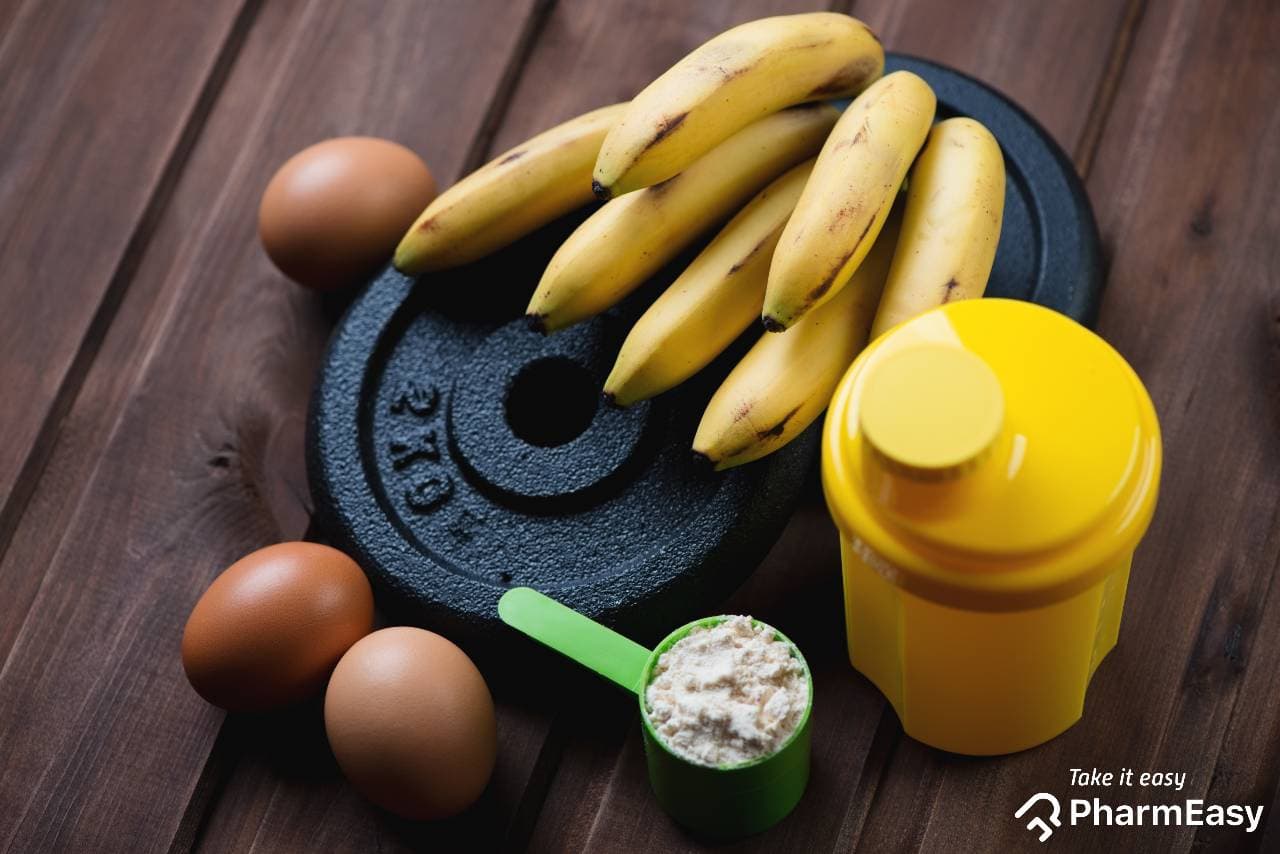
These are fantastic vehicles for packing in energy units and nutrients. Blend fruits (like bananas or mangoes), full-fat yogurt or milk, nut butter, seeds (like chia or flax), and even a scoop of lean muscle builder powder. A well-made smoothie can easily contain 500-700 energy units or more.
Does this sound familiar? Many people find it challenging to eat large eating occasions, making energy-dense smoothies an excellent alternative.
Structuring Your Mass Gain Diet
Gaining mass healthily is about more than just eating more; it's about eating smart. Focus on consuming 3-5 eating occasions per day, interspersed with nutrient-dense snacks. Prioritize lean muscle builders at each eating occasion to support muscle synthesis. Don't shy away from beneficial fats, as they are energy-dense and essential for hormone production.
This is where most people struggle.
Ensure adequate consumption of complex carbohydrates for vitality. Remember, consistency is key. The International Diabetes Federation (IDF) also emphasizes the link between diet and overall metabolic well-being, making a balanced approach paramount.
Practically speaking, if you're finding it hard to eat larger portions, focus on increasing the frequency of your eating occasions and snacks. For example, instead of two very large eating occasions, aim for three moderate eating occasions and two substantial snacks.
Consider adding energy-boosting ingredients like seeds, nuts, or beneficial oils to your existing dishes. Eating while sitting on the floor, a prevalent practice in many Indian households, can sometimes aid digestion and make eating occasions feel more substantial, though this is anecdotal.
So what does that mean for you? It means adopting a proactive approach to your nutrition. Monitor your progress, listen to your body, and adjust your consumption as needed.
If you have underlying health conditions or specific dietary needs, consulting a registered dietitian or a doctor is highly recommended. They can help create a personalized plan tailored to your individual requirements and health status.
That's the part worth remembering.
Key Takeaways
- Focus on energy-dense, nutrient-rich foods rather than empty energy sources.
- Incorporate beneficial fats, lean muscle builders, and complex carbohydrates for balanced mass gain.
- Nuts, avocados, full-fat dairy, and fatty fish are excellent choices for increasing energy unit consumption.
- Combine these foods into balanced eating occasions and snacks throughout the day.
- Consistency and a strategic approach are vital for achieving suitable mass gain goals.
Always consult a qualified physician before making any medical decisions.