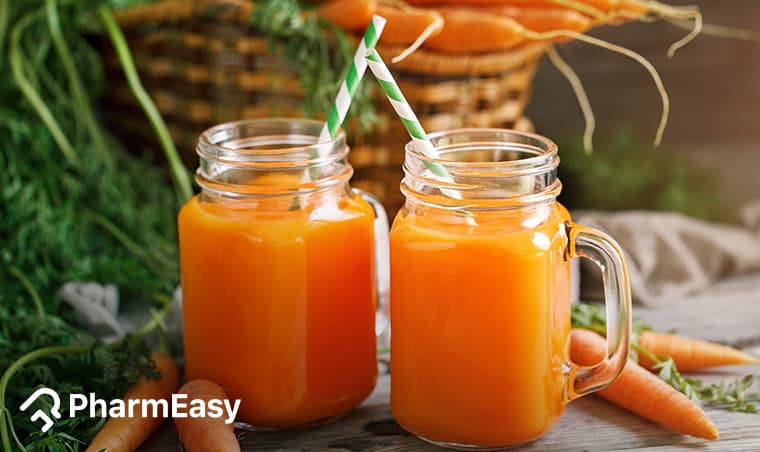
Carrot Juice: A Golden Elixir for Well-being?
Meena, 45, a homemaker from Jaipur, noticed her eyesight dimming, especially during the monsoon evenings. Coupled with a persistent dry cough that seemed to linger post-monsoon, she felt a general malaise. Her neighbour, recalling childhood remedies, suggested a daily glass of fresh carrot beverage, a common practice during their youth, especially as winter approached, promising warmth and vitality.
Does this sound familiar? Many Indians turn to traditional wisdom, and this root vegetable's liquid extract, rich in beta-carotene, is a prime example of nature's bounty.
What most people miss: While celebrated for its vibrant colour and sweet taste, this concentrated root vegetable drink is far more than just a refreshing beverage. It's a potent source of vital nutrients that can profoundly impact your well-being.
This humble root vegetable, when processed, unlocks a potent blend of vitamins, minerals, and antioxidants. Practically speaking, incorporating it into your diet can be a simple yet effective way to bolster your well-being, provided it's consumed mindfully.
Nutritional Powerhouse
Carrots (Daucus carota) are renowned for their high beta-carotene content, a potent antioxidant that the body converts into Vitamin A. A single cup (about 240 ml) of raw carrot liquid can provide well over 200% of your daily recommended intake of Vitamin A. This makes it an exceptional choice for maintaining vision acuity. Beyond Vitamin A, carrot liquid is a good source of Vitamin K1, Potassium, and various antioxidants like lutein and zeaxanthin.
The reality is, the nutritional profile extends further. It also contains smaller amounts of Vitamin C, B vitamins, manganese, and phosphorus. This rich synergy of nutrients contributes to its wide array of wellness benefits.
The numbers don't lie.
Wellness Benefits of Carrot Juice
1. Vision Enhancement
The most celebrated benefit of this root vegetable's extract lies in its ability to support eye acuity. Beta-carotene is crucial for the production of rhodopsin, a light-sensitive pigment in the retina that allows us to see in low-light conditions. Insufficient Vitamin A can lead to night blindness, a condition that affects millions globally. A study published in The Lancet highlighted the link between Vitamin A deficiency and visual impairment, underscoring the importance of sources like carrot liquid. Consuming adequate beta-carotene can help prevent age-related macular degeneration (AMD), a leading cause of vision loss in older adults. The antioxidants present also combat oxidative stress, protecting the eyes from damage.
2. Immune System Support
A robust immune system is our primary defence against infections. Carrot liquid, with its Vitamin C and antioxidant content, plays a significant role in bolstering immunity. Vitamin C stimulates the production of white blood cells, which are essential for fighting off pathogens.
Antioxidants, meanwhile, neutralise harmful free radicals that can weaken the immune response. Research from the World Health Organization (WHO) consistently points to the importance of a nutrient-rich diet for optimal immune function. The presence of Vitamin A also contributes to maintaining the integrity of mucosal barriers in the respiratory and digestive tracts, acting as a first line of defence.
3. Skin Health and Radiance
Have you ever wondered why glowing skin is often associated with a healthy diet? Carrot liquid can contribute significantly to this. The beta-carotene in this beverage acts as an antioxidant, protecting the skin from sun damage and premature ageing. It helps in cell regeneration, promoting a smoother, more youthful complexion.
Studies suggest that adequate Vitamin A intake can reduce the severity of acne and improve overall skin texture. The antioxidants combat oxidative stress, which is a major contributor to wrinkles and age spots. Enjoying a glass regularly can indeed lead to a more radiant appearance, something many Indian women strive for, especially during festive seasons where skin appearance is often highlighted.
This is where most patients struggle.
4. Heart Health
Maintaining cardiovascular well-being is paramount, and carrot liquid can be a beneficial addition to a heart-healthy diet. The potassium content helps regulate pressure by counteracting the effects of sodium. Potassium is known to relax vessel walls, thereby lowering pressure.
On top of that,, the antioxidants, including carotenoids, may support reduce cholesterol levels and prevent the oxidation of LDL (bad) cholesterol, a key factor in the development of atherosclerosis. The fibre content, although reduced in liquid form compared to whole carrots, still offers some benefits. A meta-analysis published in the *Journal of the American Heart Association* indicated that diets rich in potassium are associated with a lower risk of cardiovascular disease.
5. Digestive Health
While juicing removes much of the fibre found in whole carrots, the remaining fibre and water content in carrot liquid can still aid digestion. Fibre helps promote regular bowel movements and can prevent constipation. The liquid itself can support keep the digestive tract hydrated.
Some proponents suggest that the alkaline nature of this drink can benefit balance stomach acid, although more robust scientific evidence is needed for this specific claim. For individuals struggling with digestive discomfort, incorporating moderate amounts of carrot liquid might offer some relief.
This is where most individuals struggle.
6. Cancer Prevention Potential
Carrot liquid's rich antioxidant profile has led to research into its potential role in cancer prevention. Antioxidants combat free radicals, unstable molecules that can damage DNA and lead to cancerous mutations. Specifically, carotenoids like beta-carotene have been studied for their anti-cancer properties.
Some observational studies, including those cited by the National Cancer Institute (NCI), suggest that higher intake of carotenoid-rich foods may be associated with a reduced danger of certain cancers, such as prostate, colon, and lung cancer. However, it's crucial to understand that this beverage is not a cure or a guaranteed preventative measure for cancer; it should be viewed as part of an overall healthy lifestyle.
7. Sugar Level Management
For individuals managing diabetes, the role of carrot liquid needs careful consideration. While carrots have a moderate glycemic index, juicing concentrates their sugars. However, compared to many other fruit beverages, carrot liquid has a lower sugar content and a higher fibre content (though less than whole carrots). The fibre and the presence of certain compounds might aid enhance insulin sensitivity and regulate sugar levels.
The International Diabetes Federation (IDF) emphasizes dietary fibre's role in diabetes management. It's best consumed in moderation and ideally paired with a meal rather than consumed alone, and always under the guidance of a healthcare provider, especially for those with diabetes. Over 101 million Indians have diabetes (ICMR, 2023), making sugar level management a critical well-being concern.
Recovery is rarely linear.
Potential Side Effects and Precautions
Despite its numerous benefits, consuming excessive amounts of carrot liquid can lead to certain side effects. The most usual is carotenemia, a harmless situation where the skin takes on a yellowish-orange hue due to the high concentration of beta-carotene.
This typically resolves once intake is reduced. Have you ever noticed this in someone who drinks a lot of carrot beverage?
For individuals with specific medical conditions, caution is advised. Those with diabetes should monitor their sugar levels closely, as the natural sugars in carrot liquid can affect them. People with kidney problems should be mindful of the potassium content.
On top of that,, if you have an allergy to carrots or related plants (like parsley or celery), you should avoid carrot liquid. It's also important to source fresh, well-washed carrots to avoid pesticide residue or contamination.
Here's the thing — the quality of the carrots and the processing method matter. Using organic carrots and a good quality juicer can enable maximize nutrient retention and minimize potential contaminants. Remember, moderation is key; a daily glass is generally considered safe and beneficial for most adults.
This is where most individuals struggle.
Who Should Be Cautious?
- Individuals with diabetes: Monitor sugar levels closely.
- People with kidney issues: Be mindful of potassium intake.
- Those with allergies: Avoid if allergic to carrots.
- Pregnant and breastfeeding women: Consult a doctor for appropriate intake levels.
Incorporating Carrot Juice into Your Diet
Making fresh carrot liquid at home is simple. Wash 4-5 medium-sized carrots thoroughly, chop them, and feed them into your juicer. You can drink it plain or mix it with other vegetable liquids like beetroot or cucumber for added nutrients and flavour.
Some people enjoy adding a squeeze of lemon or a small piece of ginger for a flavour boost. Aim for freshly prepared liquid to get the maximum nutritional benefits, as nutrients can degrade over time.
The reality is, you don't need fancy equipment to start. Even a basic centrifugal juicer can do the job effectively.
If you don't have a juicer, you can blend peeled carrots with a little water and then strain the pulp through a fine-mesh sieve or cheesecloth – a method often used in Indian kitchens for preparing fresh liquids and pastes. This floor-sitting, hands-on approach to food preparation is deeply ingrained in our culture.
Tips for Best Results:
- Use fresh, firm carrots, preferably organic.
- Wash carrots thoroughly before processing.
- Drink the liquid immediately after preparation for optimal nutrient absorption.
- Start with small quantities (e.g., 4-8 ounces) to gauge your body's reaction.
- Consider blending with other vegetables or a small amount of fruit for taste and nutrient diversity.
Carrot Juice vs. Whole Carrots
While carrot liquid offers a concentrated dose of nutrients, whole carrots provide a marked amount of dietary fibre, which is largely lost during processing. Fibre is essential for digestive well-being, helps regulate sugar, and promotes satiety, aiding in weight management. A 2021 study in *Nutrients* highlighted the distinct benefits of whole foods versus their processed or juiced counterparts.
The numbers don't lie.
Therefore, while carrot liquid is beneficial, it shouldn't entirely replace the consumption of whole carrots. Eating raw or cooked carrots as part of your meals ensures you get the full spectrum of benefits, including the crucial fibre.
Practically speaking, a balanced approach is best. Enjoy a glass of carrot liquid for its concentrated benefits, but don't forget to include whole carrots in your salads, stir-fries, or as healthy snacks. This dual consumption strategy ensures you are reaping the maximum advantages from this versatile vegetable.
Key Takeaways
- Carrot liquid is exceptionally rich in beta-carotene, which the body converts to Vitamin A, crucial for vision and immune function.
- It offers major antioxidant benefits, potentially protecting against chronic diseases and promoting healthy skin.
- Potential side effects include carotenemia (skin yellowing) from excessive consumption; moderation is advised.
- Individuals with diabetes or kidney issues should consult a healthcare professional before regular consumption due to sugar and potassium content.
- While beneficial, carrot liquid lacks the fibre of whole carrots; a balanced intake of both is recommended.
Always consult a qualified physician before making any medical decisions.