Boosting Platelets Naturally: An Indian Patient's Guide
Meena, 45, a homemaker from Jaipur, noticed unusual bruising on her arms and legs. Initially dismissing it as minor injuries, she soon became concerned when her gums started bleeding during brushing. A visit to her local clinic confirmed her fears: her count of these vital cells was alarmingly low.
This is a common scenario for many Indians, where lifestyle factors, dietary habits, and sometimes underlying internal issues can lead to thrombocytopenia (a low count of these clotting agents). But what should you actually do when faced with such a diagnosis? Honestly, understanding the condition and exploring natural avenues can empower you.
Understanding Platelets and Thrombocytopenia
These small cell fragments, also known as thrombocytes, are tiny components crucial for the body's clotting process. They stop hemorrhaging by gathering together to form a plug at the site of an injury.
When their number drops below the normal range (typically 150,000 to 450,000 per microliter of circulating fluid), it's termed thrombocytopenia. This concern can arise from various causes, including viral infections (like dengue, which is rampant during India's monsoon season), certain medications, autoimmune disorders, bone marrow problems, and even excessive alcohol consumption.
The numbers don't lie.
What most people miss: The severity of thrombocytopenia varies. Mild cases might show no symptoms, while severe cases can lead to spontaneous bleeding, petechiae (small red spots under the skin), and prolonged bleeding from cuts. It's a serious problem that warrants attention.
Over 101 million Indians have diabetes (ICMR, 2023), a concern that can sometimes be linked to complications affecting circulatory components, including these essential cell fragments. While not a direct cause of thrombocytopenia, managing overall well-being is paramount.
Natural Strategies to Support Platelet Production
While clinical intervention is sometimes necessary, several natural strategies can help support your body's production of these vital cells and overall circulatory well-being. Think about it this way: your body is a complex ecosystem, and providing it with the right nutrients and environment can foster optimal function.
Dietary Powerhouses for Platelets
Food plays a pivotal role in maintaining healthy cell counts within the circulatory system. Focusing on a nutrient-rich diet is fundamental. Here's the thing — certain foods are particularly beneficial:
This is where most patients struggle.
- Papaya Leaves: The humble papaya leaf has gained significant recognition for its potential to boost levels of these clotting cells, especially during dengue fever. Studies have shown that extracts from papaya leaves can support increase these cell counts. You can consume papaya leaf juice (often bitter, so sometimes mixed with a little honey or other fruit juice) or boil the leaves and consume the water. A study published in the Asian Pacific Journal of Tropical Biomedicine highlighted the efficacy of papaya leaf extract in dengue those affected.
- Pomegranate: This ruby-red fruit is packed with valuable compounds, particularly Vitamin K, and antioxidants. Pomegranate juice and seeds are believed to enhance the production of these essential fragments and improve overall circulatory well-being. Its anti-inflammatory properties also contribute to better circulation.
- Indian Gooseberry (Amla): A powerhouse of Vitamin C, amla is a staple in Indian kitchens and Ayurvedic medicine. Vitamin C is essential for the immune system and plays a role in the formation and function of these vital cell fragments. Consuming amla raw, as juice, or in pickles can be beneficial.
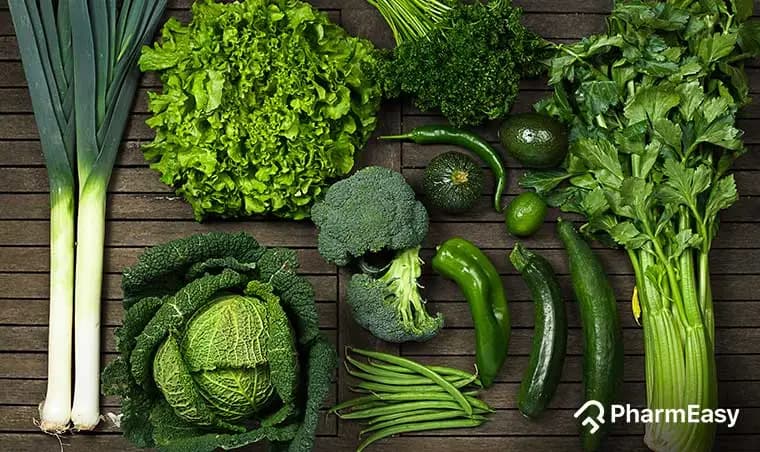
- Leafy Greens: Spinach, kale, and other dark leafy greens are rich in Vitamin K, which is crucial for circulatory clotting and the formation of these critical components. Consuming them regularly, whether in sabzis or salads, supports healthy levels of these cells.
- Beetroot: This vibrant root vegetable is known for its circulatory-purifying properties. It contains folate, a B component vital for producing new cells, including these clotting agents. Drinking beetroot juice or adding it to your meals can be helpful.
- Pumpkin Seeds: These seeds are a good source of magnesium, zinc, and iron, all of which are important for the generation of circulatory cells. They also contain Vitamin K.
- Whole Grains and Lean Proteins: Opting for whole grains like oats, quinoa, and brown rice provides essential fibre and nutrients. Including lean protein sources such as chicken, fish, lentils (dal), and beans ensures adequate intake of amino acids necessary for cell repair and growth.
The Role of Vitamins and Minerals
Micronutrients are often the unsung heroes of well-being. But why does this happen? Because even small deficiencies can have considerable impacts.
- Vitamin C: As mentioned, Vitamin C is vital. It aids in the production of these clotting cells and ensures they function correctly. Citrus fruits (oranges, lemons), guava, strawberries, and bell peppers are excellent sources. The recommended daily intake for adults is around 75-90 mg, but during periods of low cell counts, a slightly higher intake might be considered under professional guidance.
- Vitamin K: Essential for circulatory clotting. Leafy greens, broccoli, and Brussels sprouts are good sources.
- Folate (Vitamin B9): Crucial for cell division. Found in leafy greens, legumes, and fortified cereals. Low folate levels can contribute to low counts of these essential fragments.
- Iron: Necessary for red cell production and indirectly supports the well-being of these clotting agents. Red meat, spinach, and lentils are good sources.
- Zinc: Supports immune function and cell growth. Found in meat, nuts, seeds, and whole grains.
Lifestyle Adjustments for Better Circulatory Well-being
Beyond diet, certain lifestyle habits can significantly influence your count of these vital cells.
- Stay Hydrated: Adequate water intake is fundamental for overall circulatory volume and flow. Aim for at least 8-10 glasses of water daily, more if you live in a hot climate or engage in strenuous activity.
- Moderate Exercise: Regular, moderate physical activity can boost circulatory flow and overall well-being. However, if your cell count is very low, consult your doctor before starting any new exercise regimen, as strenuous activity might pose a risk of bleeding. Gentle activities like walking or yoga are often recommended.
- Stress Management: Chronic stress can negatively impact your immune system and overall physical state. Practicing stress-reduction techniques like meditation, deep breathing exercises, or spending time in nature can be beneficial. Remember the peace one feels during a quiet evening walk after the monsoon rains? That can be restorative.
- Limit Alcohol: Excessive alcohol consumption can suppress bone marrow function, which is responsible for producing circulatory components, including these essential fragments. Moderation is key, and in some cases, complete abstinence may be advised by a physician.
- Avoid Certain Medications: Some pharmaceuticals, like aspirin and ibuprofen, can interfere with the function of these clotting cells. Always discuss your medications with your physician, especially if you have a low count of these vital elements.
When Natural Remedies Aren't Enough: Seeking Clinical assist
While natural methods can be supportive, they are not a substitute for professional clinical care. If you experience manifestations of a low count of these essential cell fragments, such as easy bruising, bleeding gums, prolonged bleeding, or tiny red spots on your skin, it is imperative to consult a healthcare professional. Doctors at institutions like the All India Institute of Medical Sciences (AIIMS) emphasize the importance of timely diagnosis and treatment. A simple circulatory fluid test can confirm your count of these critical components.
Based on the underlying cause and severity, your doctor might recommend specific interventions, which could include pharmaceuticals, transfusions of these cellular elements, or addressing the root internal issue. For instance, if low counts are due to an autoimmune issue, immunosuppressant drugs might be prescribed. The World Health Organization (WHO) recommends specific guidelines for managing thrombocytopenia based on its severity and cause.
Remember, India has a rich tradition of traditional medicine, including Ayurveda, which often incorporates many of the dietary recommendations discussed. However, it's crucial to integrate these practices with modern clinical advice.
Relying solely on traditional remedies without consulting a doctor can be risky, especially if the disorder is severe. The Indian Council of Medical Research (ICMR) also provides guidelines and research on various well-being conditions prevalent in India.
Recovery is rarely linear.
Here's the thing — self-treating serious internal conditions can delay proper care and potentially worsen outcomes. If your doctor has prescribed medication or a specific approach plan, adhere to it diligently. Natural methods should be viewed as complementary, enhancing your body's resilience alongside prescribed clinical care.
Key Takeaways
- A low count of essential clotting cells (thrombocytopenia) can lead to increased bleeding danger.
- Papaya leaf extract, pomegranate, and amla are traditionally used to support counts of these vital cells in India.
- A diet rich in Vitamin C, Vitamin K, folate, and iron is crucial for healthy circulatory cell production.
- Lifestyle factors like hydration, moderate exercise, stress management, and limiting alcohol are major.
- Always consult a qualified physician before making any clinical decisions.