

Free Helpline
We are here to assist you.
Health Advisor
+91-8877772277Available 7 days a week
10:00 AM – 6:00 PM to support you with urgent concerns and guide you toward the right care.

We are here to assist you.
Health Advisor
+91-8877772277Available 7 days a week
10:00 AM – 6:00 PM to support you with urgent concerns and guide you toward the right care.
Discover the incredible nutritional benefits and health advantages of tofu. Learn how to easily incorporate this versatile plant-based protein into your Indian diet for a healthier lifestyle.

Tofu, also known as bean curd, is a food made by coagulating soy milk and then pressing the resulting curds into soft white blocks. It has been a staple in Asian cuisines for centuries and is gaining popularity worldwide due to its versatility and impressive nutritional profile. For the Indian palate, tofu offers a fantastic plant-based protein alternative that can be incorporated into a variety of dishes, from curries and stir-fries to snacks and desserts. This article delves into the numerous health benefits of tofu, its nutritional value, and how you can easily add it to your daily Indian diet.
Tofu is remarkably nutrient-dense, especially considering its low calorie count. It's an excellent source of:
The regular consumption of tofu can contribute to several aspects of your health:
Soy isoflavones and the overall low saturated fat content in tofu can contribute to improved cardiovascular health. Studies suggest that soy protein may help lower LDL (bad) cholesterol levels and reduce the risk of heart disease. The potassium in tofu also helps in managing blood pressure.
Tofu, especially when fortified with calcium and vitamin D, is excellent for maintaining strong bones. Calcium is the primary building block of bones, and vitamin D aids in its absorption. This is particularly beneficial for individuals who do not consume dairy products.
Tofu is a low-glycemic index food, meaning it doesn't cause sharp spikes in blood sugar levels. Its high protein content also helps in promoting satiety, which can aid in managing appetite and blood sugar control. Some research suggests that soy isoflavones may also improve insulin sensitivity.
The isoflavones in tofu have antioxidant properties that may help protect cells from damage that can lead to cancer. While research is ongoing, some studies indicate a potential link between soy consumption and a reduced risk of certain cancers, such as breast and prostate cancer, particularly when consumed from a young age.
As a low-calorie, high-protein food, tofu is an excellent choice for those looking to manage their weight. Protein helps you feel fuller for longer, reducing the likelihood of overeating. It also supports muscle mass, which is crucial for metabolism.
Some studies suggest that replacing animal protein with soy protein, like that found in tofu, may benefit kidney function, especially for individuals with certain kidney conditions. However, it's always best to consult a doctor for personalized advice.
Integrating tofu into Indian cuisine is surprisingly easy and can be incredibly delicious. Here are some ideas:
Tofu comes in various textures, from silken (very soft) to extra-firm. For most Indian cooking, firm or extra-firm tofu is recommended as it holds its shape well. Silken tofu is best for smoothies, sauces, and desserts.
Storage: Keep refrigerated. Once opened, store leftover tofu submerged in water in an airtight container in the refrigerator and change the water daily. It should be used within 2-3 days.
While tofu is generally safe and healthy for most people, it's always wise to consult with a healthcare professional or a registered dietitian if you have specific health concerns, such as:
Tofu is a nutritional powerhouse that offers a wide array of health benefits, from supporting heart and bone health to aiding in weight management and potentially reducing cancer risk. Its versatility makes it an excellent addition to the Indian diet, providing a delicious and healthy plant-based protein source. By incorporating tofu into your meals, you can enjoy its benefits while exploring new and exciting culinary possibilities.
This section adds practical context and preventive advice to help readers make informed healthcare decisions. It is important to verify symptoms early, consult qualified doctors, and avoid self-medication for persistent health issues.
Maintaining healthy routines, following prescribed treatment plans, and attending regular checkups can improve outcomes. If symptoms worsen or red-flag signs appear, immediate medical evaluation is recommended.
Track symptoms and duration.
Follow diagnosis and treatment from a licensed practitioner.
Review medication side effects with your doctor.
Seek urgent care for severe warning signs.
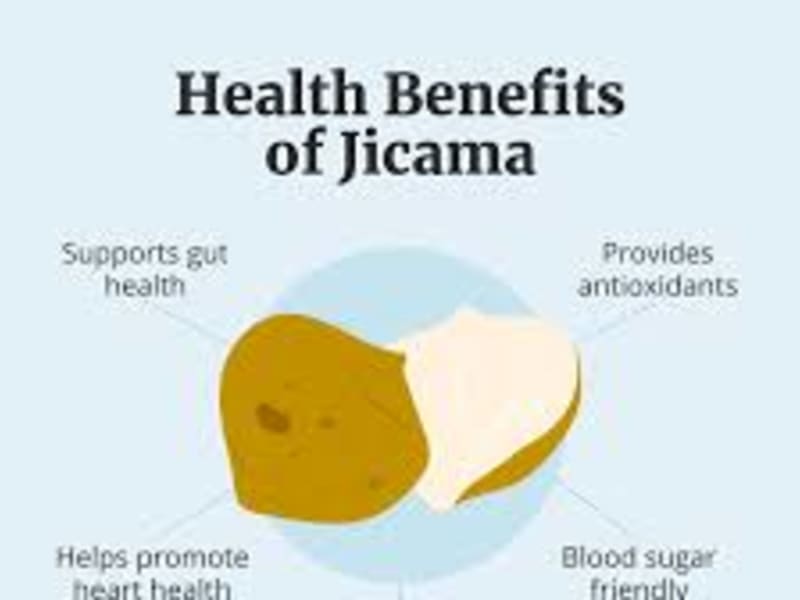
Jicama is a crispy root vegetable that is high in fibre and vitamin C. This simple guide gives the nutrition of it, its medical advantages, its uses and its possible side effects.
April 11, 2026

An in-depth look at whether Skittles are vegan, examining ingredients, manufacturing processes, and potential cross-contamination for plant-based eaters.
April 1, 2026

Learn the truth about shrinking your stomach and how to effectively manage appetite for weight management and a healthier lifestyle.
April 1, 2026