

Free Helpline
We are here to assist you.
Health Advisor
+91-8877772277Available 7 days a week
10:00 AM – 6:00 PM to support you with urgent concerns and guide you toward the right care.

We are here to assist you.
Health Advisor
+91-8877772277Available 7 days a week
10:00 AM – 6:00 PM to support you with urgent concerns and guide you toward the right care.
Learn about the realistic timeline for losing belly fat, effective dietary and exercise strategies, and factors influencing your progress. Get practical tips for a healthier you.

Understanding Belly Fat and Its Impact on Health Belly fat, particularly visceral fat that surrounds your organs, is more than just a cosmetic concern. It's closely linked to serious health issues like heart disease, type 2 diabetes, and certain cancers. While having some body fat is natural and healthy, excess belly fat can pose significant health risks. The good news is that by adopting a healthier lifestyle, you can effectively reduce belly fat and improve your overall well-being. This guide aims to provide a realistic understanding of how long it takes to lose belly fat and the most effective strategies to achieve your goals. The Science of Fat Loss: Calories and Metabolism Fat loss fundamentally comes down to a calorie deficit – burning more calories than you consume. Approximately 3,500 calories equal one pound of fat. To lose one pound of fat per week, you need to create a daily deficit of about 500 calories. This can be achieved through a combination of dietary changes and increased physical activity. Your metabolism, the process by which your body converts food and drinks into energy, plays a crucial role. Factors like age, sex, muscle mass, and activity level influence your metabolic rate. Increasing muscle mass through exercise can help boost your metabolism, allowing you to burn more calories even at rest. Subcutaneous vs. Visceral Fat: What's the Difference? Body fat can be broadly categorized into two types: subcutaneous and visceral fat. Subcutaneous fat lies just beneath the skin and is what you can typically pinch. Visceral fat, on the other hand, is located deeper within the abdominal cavity, surrounding your internal organs. While both contribute to overall body weight, visceral fat is considered more metabolically active and is more strongly associated with health problems. Losing overall body fat is the most effective way to reduce both types, and as you lose weight, you'll likely see a reduction in belly fat. Realistic Timeline for Belly Fat Loss There is no magic formula or quick fix for losing belly fat. The timeline varies significantly from person to person due to individual factors like genetics, starting weight, age, sex, and adherence to a healthy lifestyle. However, a general guideline is that with a consistent calorie-controlled diet, you might lose about 1 pound of fat per week. This means that losing 4 pounds of fat in a month is a realistic goal. Remember, this is overall fat loss, and belly fat will be a part of that reduction. It's important to focus on sustainable, long-term changes rather than expecting rapid results, which are often unsustainable and can be unhealthy. Effective Strategies for Losing Belly Fat Dietary Changes: Fueling Your Body Wisely Diet plays a paramount role in fat loss. Focusing on nutrient-dense, lower-calorie foods is key. Here are some practical tips for Indian readers: Portion Control: Be mindful of serving sizes. Using smaller plates can help. Mindful Eating: Eat slowly and savor your food. It takes about 20 minutes for your brain to register fullness, so give your body time to signal satiety. Choose Whole Foods: Prioritize fresh fruits, vegetables, whole grains (like whole wheat roti, brown rice, oats), lean proteins (dal, legumes, chicken, fish, paneer), and healthy fats (nuts, seeds, avocado). Limit Processed Foods: Reduce intake of packaged snacks, sugary drinks, fast food, and refined grains. These are often high in calories, unhealthy fats, and sugar, and low in nutrients. Hydration: Drink plenty of water throughout the day. Sometimes thirst can be mistaken for hunger. Protein Intake: Ensure adequate protein intake to help retain lean muscle mass during weight loss. Include sources like lentils, beans, yogurt, eggs, and lean meats. Fiber-Rich Foods: Foods high in fiber, like fruits, vegetables, and whole grains, help you feel full longer, aiding in calorie control. Smart Swaps: Opt for grilled or baked foods over fried. Choose black coffee or tea over sugary beverages. Use less oil and ghee in cooking. Exercise: Boosting Metabolism and Toning Muscles Regular physical activity is crucial for burning calories, improving cardiovascular health, and building muscle. A combination of aerobic exercise and strength training is most effective: Aerobic Exercise (Cardio): Aim for at least 150 minutes of moderate-intensity aerobic activity or 75 minutes of vigorous-intensity activity per week. Examples include brisk walking, jogging, cycling, swimming, dancing, and playing sports. Even activities like gardening or brisk walking to the market can contribute. Strength Training: Incorporate strength training exercises 2-3 times a week to build muscle mass. This can include lifting weights, using resistance bands, or bodyweight exercises like push-ups and squats. More muscle mass helps increase your resting metabolic rate. Increase Daily Activity: Look for opportunities to move more throughout the day. Park farther away from your destination, take the stairs instead of the elevator, or go for a short walk during breaks. Factors Influencing Fat Loss Speed Several factors can influence how quickly you lose belly fat: Starting Point: Individuals with more excess weight to lose may see faster initial results. Age: Metabolism tends to slow down with age, which can affect the rate of fat loss. Genetics: Genetic predisposition can influence where your body stores fat and how easily it's lost. Hormonal Balance: Hormonal fluctuations, especially in women, can impact fat distribution and loss. Consistency: Adherence to diet and exercise plans is the most critical factor. Sleep Quality: Poor sleep can disrupt hormones that regulate appetite and metabolism. Stress Levels: Chronic stress can lead
In summary, timely diagnosis, evidence-based treatment, and prevention-focused care improve long-term health outcomes.
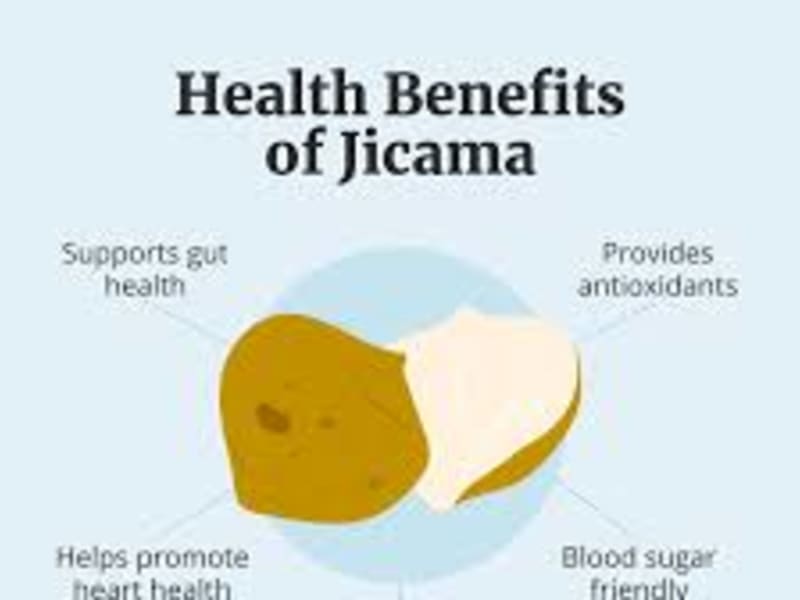
Jicama is a crispy root vegetable that is high in fibre and vitamin C. This simple guide gives the nutrition of it, its medical advantages, its uses and its possible side effects.
April 11, 2026

An in-depth look at whether Skittles are vegan, examining ingredients, manufacturing processes, and potential cross-contamination for plant-based eaters.
April 1, 2026

Learn the truth about shrinking your stomach and how to effectively manage appetite for weight management and a healthier lifestyle.
April 1, 2026