

Free Helpline
We are here to assist you.
Health Advisor
+91-8877772277Available 7 days a week
10:00 AM – 6:00 PM to support you with urgent concerns and guide you toward the right care.

We are here to assist you.
Health Advisor
+91-8877772277Available 7 days a week
10:00 AM – 6:00 PM to support you with urgent concerns and guide you toward the right care.
Discover the key signs and symptoms that indicate your body has entered ketosis, a metabolic state where fat is burned for energy. Learn how to identify these changes and understand their implications for your health journey.

The ketogenic diet, often referred to as the keto diet, has gained significant popularity worldwide, and India is no exception. This low-carbohydrate, high-fat eating plan aims to shift the body's primary energy source from glucose (derived from carbohydrates) to ketones (produced from fat). When your body enters a state called ketosis, it begins to burn fat for fuel more efficiently. But how do you know if you've reached this metabolic state? This article will guide you through 10 common signs and symptoms that indicate you might be in ketosis, tailored for an Indian audience.
Normally, your body uses glucose from carbohydrates as its main source of energy. When you drastically reduce your carbohydrate intake, your body is forced to find an alternative fuel source. It achieves this by breaking down stored fat into molecules called ketones in the liver. These ketones then become the primary fuel for your body and brain. This metabolic state is known as ketosis.
Many people adopt the keto diet for various reasons, including weight loss, improved blood sugar control, and potential benefits for certain neurological conditions. Achieving ketosis is the key to unlocking these benefits, as it signifies that your body is actively burning fat for energy.
One of the earliest and most common signs of ketosis is a distinct change in breath odour. Often described as fruity, metallic, or even like nail polish remover, this phenomenon is known as 'keto breath'. It's caused by the presence of acetone, a type of ketone, which is expelled through your breath. While it might be unpleasant, it's a strong indicator that your body is producing ketones.
While not exclusive to ketosis, rapid initial weight loss is a common experience for many when starting a ketogenic diet. This is often due to a loss of water weight as the body depletes its glycogen stores (stored carbohydrates), which hold water. Subsequently, the body begins to burn fat for energy, leading to further weight loss.
The most definitive way to confirm ketosis is by measuring your ketone levels. This can be done using:
An increase in ketone levels, especially in blood or breath tests, is a clear sign of ketosis.
Many individuals on a ketogenic diet report a significant decrease in their appetite. This is thought to be due to the satiating effects of fat and protein, as well as the impact of ketones on appetite-regulating hormones like ghrelin and cholecystokinin.
After an initial adjustment period, often referred to as the 'keto flu', many people experience a noticeable boost in mental clarity, focus, and sustained energy levels. The brain runs very efficiently on ketones, which can lead to improved cognitive function.
It's important to acknowledge that the transition into ketosis isn't always smooth. Many people experience a temporary phase of fatigue, headaches, nausea, irritability, and difficulty concentrating, commonly known as the 'keto flu'. This usually lasts a few days to a week as your body adapts to using fat for fuel. Staying hydrated and ensuring adequate electrolyte intake can help mitigate these symptoms.
Some individuals report difficulty sleeping when first entering ketosis. This can be due to hormonal changes or the body adjusting to a new energy source. However, for many, sleep quality improves in the long term once they are fully adapted.
Changes in diet, especially a significant reduction in carbohydrates and an increase in fat and fibre, can affect digestion. Some people experience constipation due to a lack of fibre or changes in gut bacteria, while others might have diarrhea. It's crucial to ensure adequate fibre intake from non-starchy vegetables and stay hydrated.
Electrolyte imbalances, particularly a loss of sodium, potassium, and magnesium, can lead to muscle cramps. This is often associated with the initial stages of the keto diet as the body sheds water. Replenishing electrolytes through diet or supplements can help prevent this.
While not universally experienced, some people notice improvements in their skin conditions, such as reduced acne. This is often attributed to the reduction in inflammation and hormonal regulation associated with a lower-carbohydrate diet.
While the keto diet can offer benefits for some, it's not suitable for everyone. It's essential to consult with a healthcare professional, especially if you have any pre-existing medical conditions such as diabetes, kidney disease, or heart problems, before starting a ketogenic diet. Seek immediate medical attention if you experience any of the following:
A doctor can help you determine if the keto diet is appropriate for you and monitor your health throughout the process.
Recognizing the signs of ketosis can help you understand how your body is responding to a ketogenic diet. While symptoms like keto breath and weight loss are common indicators, using ketone testing methods provides the most accurate confirmation. Remember that the transition can involve some side effects, and listening to your body is crucial. Always prioritize safety and consult with a healthcare provider to ensure the diet aligns with your individual health needs and goals.
This section adds practical context and preventive advice to help readers make informed healthcare decisions. It is important to verify symptoms early, consult qualified doctors, and avoid self-medication for persistent health issues.
Maintaining healthy routines, following prescribed treatment plans, and attending regular checkups can improve outcomes. If symptoms worsen or red-flag signs appear, immediate medical evaluation is recommended.
Track symptoms and duration.
Follow diagnosis and treatment from a licensed practitioner.
Review medication side effects with your doctor.
Seek urgent care for severe warning signs.
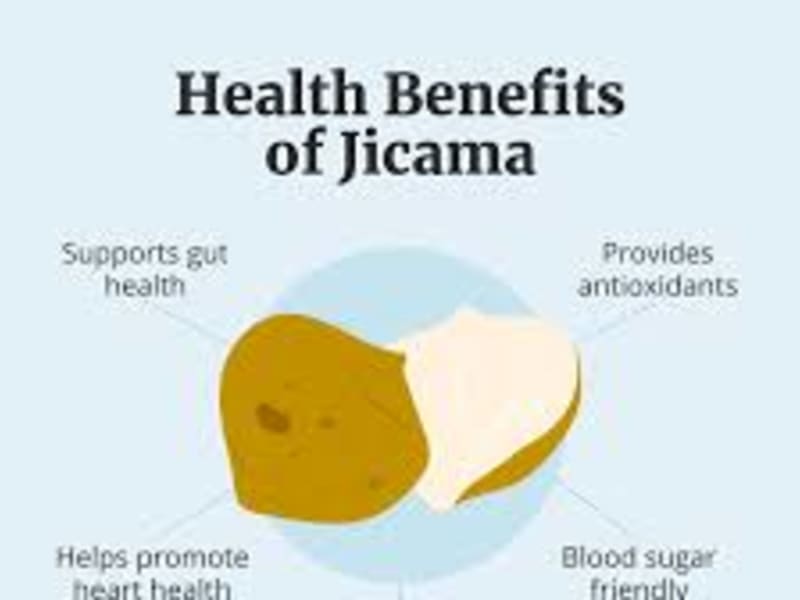
Jicama is a crispy root vegetable that is high in fibre and vitamin C. This simple guide gives the nutrition of it, its medical advantages, its uses and its possible side effects.
April 11, 2026

An in-depth look at whether Skittles are vegan, examining ingredients, manufacturing processes, and potential cross-contamination for plant-based eaters.
April 1, 2026

Learn the truth about shrinking your stomach and how to effectively manage appetite for weight management and a healthier lifestyle.
April 1, 2026