

Free Helpline
We are here to assist you.
Health Advisor
+91-8877772277Available 7 days a week
10:00 AM – 6:00 PM to support you with urgent concerns and guide you toward the right care.

We are here to assist you.
Health Advisor
+91-8877772277Available 7 days a week
10:00 AM – 6:00 PM to support you with urgent concerns and guide you toward the right care.
Discover the essential role of zinc in your health and explore a comprehensive list of zinc-rich foods, including meat, seafood, legumes, nuts, seeds, and dairy, to boost your intake and well-being.

Zinc is a vital mineral that plays a crucial role in numerous bodily functions, from immune system support to wound healing and cell growth. Despite its small size, zinc is a powerhouse nutrient, essential for maintaining overall health and well-being. In India, where dietary habits can vary widely, understanding which foods are rich in zinc is key to ensuring adequate intake. This guide will delve into the world of zinc-rich foods, their benefits, and how to incorporate them into your daily meals.
Before we explore the foods, let's understand why zinc is indispensable for your body:
The recommended daily allowance (RDA) for zinc varies based on age, sex, and life stage. For adult men, it's typically around 11 mg per day, and for adult women, it's about 8 mg per day. Pregnant and breastfeeding women have higher requirements.
Fortunately, many delicious and readily available foods in India are excellent sources of zinc. Here are some of the best:
Red meat, such as lamb and beef, is one of the most concentrated sources of highly absorbable zinc. Lean cuts are preferable for a healthier choice.
Oysters are famously the richest food source of zinc. Other seafood also contributes to your zinc intake.
For vegetarians and vegans, legumes are a cornerstone for zinc intake. However, they also contain phytates, which can inhibit zinc absorption. Soaking, sprouting, or fermenting legumes can help reduce phytate levels.
These small powerhouses are packed with nutrients, including zinc. They make excellent snacks or additions to meals.
Milk, cheese, and yogurt are good sources of zinc, and the zinc in dairy is generally well-absorbed.
Like legumes, whole grains contain phytates, but they are still valuable sources of zinc, especially when consumed regularly.
While generally lower in zinc compared to animal products or legumes, some vegetables contribute to overall intake.
Yes, you read that right! Dark chocolate with a high cocoa content (70% or more) can be a surprisingly good source of zinc. Enjoy in moderation!
It's not just about the amount of zinc you consume, but also how well your body absorbs it. Several factors can influence this:
Zinc deficiency can manifest in various ways, often affecting the immune system and skin. Common signs include:
Severe deficiency can lead to more serious health issues.
Certain groups are more susceptible to zinc deficiency:
Making zinc-rich choices is easier than you think with Indian cooking:
While most people can meet their zinc needs through diet, it's advisable to consult a doctor or a registered dietitian if you suspect a deficiency, especially if you fall into any of the high-risk groups mentioned above. They can assess your intake, recommend appropriate dietary changes, or suggest a zinc supplement if necessary. Self-supplementation without medical advice is not recommended, as excessive zinc intake can also have adverse effects, such as interfering with copper absorption and causing nausea.
Zinc is a fundamental nutrient that supports a vast array of bodily functions. By consciously including zinc-rich foods like meat, seafood, legumes, nuts, seeds, dairy, and whole grains in your diet, you can significantly contribute to your overall health, boost your immune system, and promote faster healing. Pay attention to preparation methods that enhance absorption, and don't hesitate to seek professional advice if you have concerns about your zinc intake.
This section adds practical context and preventive advice to help readers make informed healthcare decisions. It is important to verify symptoms early, consult qualified doctors, and avoid self-medication for persistent health issues.
Maintaining healthy routines, following prescribed treatment plans, and attending regular checkups can improve outcomes. If symptoms worsen or red-flag signs appear, immediate medical evaluation is recommended.
Track symptoms and duration.
Follow diagnosis and treatment from a licensed practitioner.
Review medication side effects with your doctor.
Seek urgent care for severe warning signs.
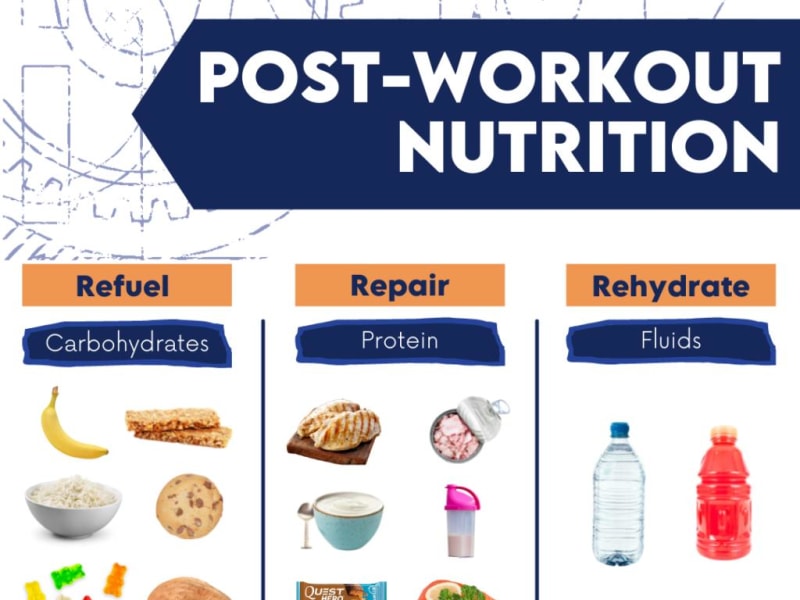
Pre- and post-workout nutrition are two of the most impactful yet frequently confused aspects of sports nutrition. The right foods at the right times can meaningfully improve performance, accelerate recovery, and maximise muscle adaptation — here's exactly what to eat and when.
April 14, 2026
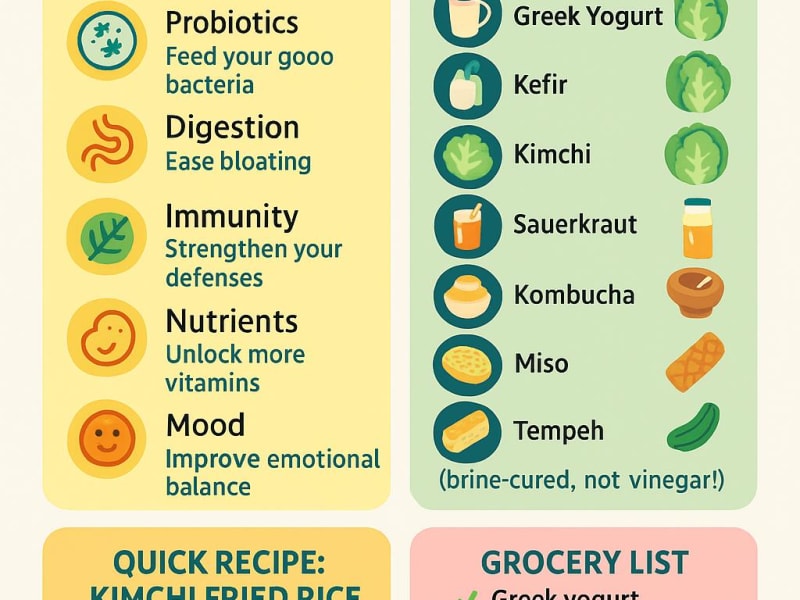
Fermented foods have nourished human gut health for millennia — and modern science is now confirming the mechanisms behind their benefits. From kefir to kimchi, this beginner's guide explains what fermented foods do in the body and how to incorporate them confidently.
April 14, 2026
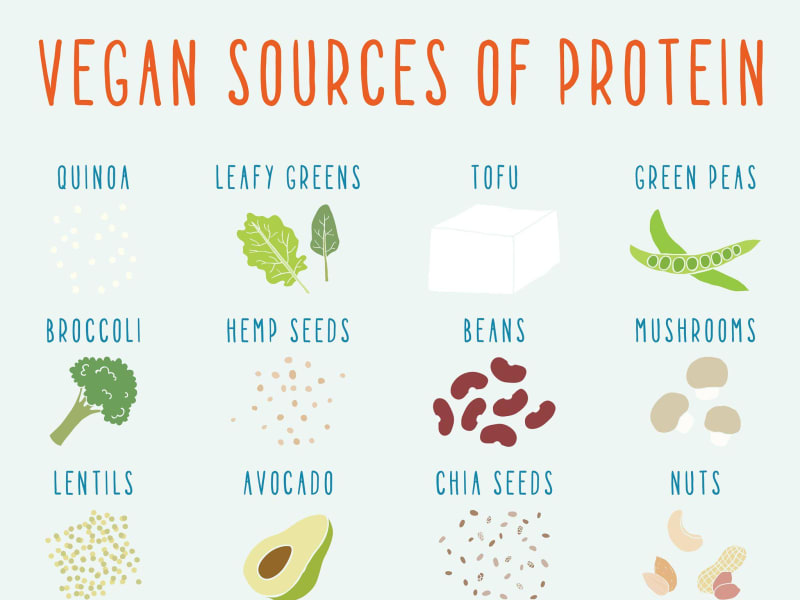
Plant proteins vary significantly in amino acid completeness and digestibility — and choosing the right ones matters for muscle maintenance, satiety, and overall health. This ranked guide separates the best plant protein sources from those that need strategic pairing.
April 14, 2026