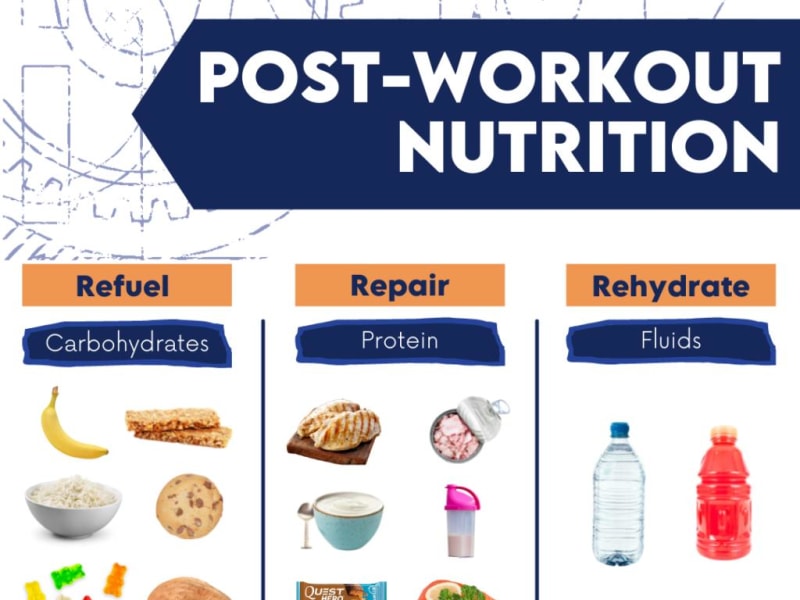
In the bustling landscape of health and fitness, protein stands out as a cornerstone nutrient, essential for everything from muscle repair to immune function. Among the various protein sources, whey protein has garnered significant attention, celebrated for its rapid absorption and rich amino acid profile. This comprehensive guide delves into the world of whey protein, exploring what it is, its numerous health benefits, how to incorporate it into your diet, and important considerations for Indian consumers.
What Exactly is Whey Protein?
Whey protein is a complete protein, meaning it contains all nine essential amino acids that the body cannot produce on its own. It is derived from milk, specifically from the liquid byproduct left behind during the cheese-making process. This liquid, known as whey, is then processed to isolate the protein, resulting in a fine powder that can be easily added to various foods and beverages.
Milk is composed of two primary proteins: casein and whey. While casein makes up about 80% of milk protein and digests slowly, whey constitutes the remaining 20% and is known for its fast-digesting properties. This rapid absorption makes whey protein particularly beneficial for post-workout recovery, as it quickly delivers amino acids to muscle tissues.
Types of Whey Protein
Whey protein is available in several forms, each with varying levels of processing and protein concentration:
- Whey Concentrate (WPC): This is the least processed form of whey protein. It typically contains 70-80% protein by weight, along with some lactose (milk sugar) and fat. It offers a good balance of protein, nutrients, and flavour, making it a popular choice for many.
- Whey Isolate (WPI): Whey isolate undergoes further processing to remove most of the lactose and fat, resulting in a higher protein concentration, usually 90% or more. This makes it an excellent option for individuals who are lactose intolerant or are looking to minimize their intake of carbohydrates and fats.
- Whey Hydrolysate (WPH): This form is pre-digested, meaning the protein has been broken down into smaller peptides. This allows for even faster absorption by the body, making it ideal for those who need rapid nutrient delivery, such as elite athletes or individuals with digestive issues.
The Health Benefits of Whey Protein
Whey protein is not just for bodybuilders; its benefits extend to a wide range of individuals seeking to improve their health and well-being.
1. Muscle Growth and Repair
Perhaps the most well-known benefit of whey protein is its role in muscle protein synthesis. The essential amino acids, particularly leucine, found in whey protein, act as triggers for muscle growth. Consuming whey protein after exercise can help repair muscle damage, reduce muscle soreness, and promote muscle hypertrophy (growth).
2. Weight Management
Whey protein can be a valuable tool for weight management. Its high protein content promotes satiety, helping you feel fuller for longer and reducing overall calorie intake. Studies suggest that protein-rich diets can boost metabolism and increase fat burning, making whey protein a supportive element in weight loss plans.
3. Blood Sugar Control
Emerging research indicates that whey protein may help improve blood sugar control, particularly in individuals with type 2 diabetes. It can enhance insulin sensitivity and reduce blood glucose levels, especially when consumed before or with meals.
4. Heart Health
The consumption of whey protein has been linked to improved cardiovascular health markers. It may help lower blood pressure and reduce the risk of heart disease by improving cholesterol levels and reducing inflammation.
5. Immune System Support
Whey protein contains immunoglobulins and lactoferrin, compounds that can bolster the immune system and help the body fight off infections. It also provides cysteine, an amino acid that plays a crucial role in the production of glutathione, a powerful antioxidant.
6. Antioxidant Properties
As mentioned, whey protein is rich in cysteine, which is a precursor to glutathione. Glutathione is often referred to as the
Additional Medical Guidance
This section adds practical context and preventive advice to help readers make informed healthcare decisions. It is important to verify symptoms early, consult qualified doctors, and avoid self-medication for persistent health issues.
Maintaining healthy routines, following prescribed treatment plans, and attending regular checkups can improve outcomes. If symptoms worsen or red-flag signs appear, immediate medical evaluation is recommended.
Quick Checklist
Track symptoms and duration.
Follow diagnosis and treatment from a licensed practitioner.
Review medication side effects with your doctor.
Seek urgent care for severe warning signs.