

Free Helpline
We are here to assist you.
Health Advisor
+91-8877772277Available 7 days a week
10:00 AM – 6:00 PM to support you with urgent concerns and guide you toward the right care.

We are here to assist you.
Health Advisor
+91-8877772277Available 7 days a week
10:00 AM – 6:00 PM to support you with urgent concerns and guide you toward the right care.
Explore the essential role of Vitamin D, its sources, deficiency symptoms, diagnosis, and safe intake levels for optimal health. Learn how to get enough sunshine vitamin.

Vitamin D, often called the "sunshine vitamin," is a fat-soluble vitamin that plays a crucial role in numerous bodily functions. Unlike other vitamins, our bodies can produce vitamin D when our skin is exposed to sunlight. It's also found in a limited number of foods and can be taken as a supplement. Its primary role is to help the body absorb calcium and phosphorus, which are essential for building and maintaining strong bones. However, its benefits extend far beyond bone health, impacting our immune system, muscle function, and even mood.
The importance of vitamin D cannot be overstated. It acts like a hormone in the body, signaling cells to perform essential tasks. Here are some of its key functions:
There are three main ways to get vitamin D:
The recommended daily intake of vitamin D varies by age and life stage. These are general guidelines, and individual needs may differ. For adults in India, the recommended daily allowance (RDA) is often considered to be around 600 IU (International Units) or 15 mcg (micrograms) per day. However, some health organizations suggest higher intakes, especially for those with deficiency.
It's important to note that these are general recommendations. Your doctor may advise a different dosage based on your specific health status and blood levels.
Vitamin D deficiency is surprisingly common, even in sunny countries like India. Factors contributing to deficiency include:
Symptoms of Vitamin D deficiency can be subtle and may include:
In children, severe deficiency can lead to rickets, characterized by soft, weak, and deformed bones. In adults, it can cause osteomalacia, leading to bone pain and muscle weakness.
The most accurate way to diagnose vitamin D deficiency is through a blood test that measures the level of 25-hydroxyvitamin D [25(OH)D]. This test indicates how much vitamin D is stored in your body.
Your doctor will interpret these results in the context of your symptoms and overall health.
Treatment for vitamin D deficiency typically involves increasing intake through supplements. The dosage will depend on the severity of the deficiency and your doctor's recommendation.
It's crucial to follow your doctor's advice regarding dosage and duration of supplementation. Taking too much vitamin D can be harmful.
While vitamin D is essential, excessive intake can lead to toxicity, a condition known as hypervitaminosis D. This is rare and usually occurs from taking very high doses of supplements over a prolonged period, not from sun exposure or diet alone.
Symptoms of vitamin D toxicity can include:
The tolerable upper intake level (UL) for vitamin D for adults is generally considered to be 4,000 IU (100 mcg) per day. However, some medical professionals may prescribe higher doses under strict supervision for specific conditions.
Preventing vitamin D deficiency involves a multi-pronged approach:
It's advisable to consult a doctor if you experience any symptoms of vitamin D deficiency, have risk factors for deficiency, or are considering taking high-dose vitamin D supplements. A doctor can accurately diagnose your vitamin D status and recommend the appropriate course of action to ensure you maintain optimal levels for your health.
Disclaimer: This information is for general knowledge and informational purposes only, and does not constitute medical advice. It is essential to consult with a qualified healthcare professional for any health concerns or before making any decisions related to your health or treatment.
This section adds practical context and preventive advice to help readers make informed healthcare decisions. It is important to verify symptoms early, consult qualified doctors, and avoid self-medication for persistent health issues.
Maintaining healthy routines, following prescribed treatment plans, and attending regular checkups can improve outcomes. If symptoms worsen or red-flag signs appear, immediate medical evaluation is recommended.
Track symptoms and duration.
Follow diagnosis and treatment from a licensed practitioner.
Review medication side effects with your doctor.
Seek urgent care for severe warning signs.
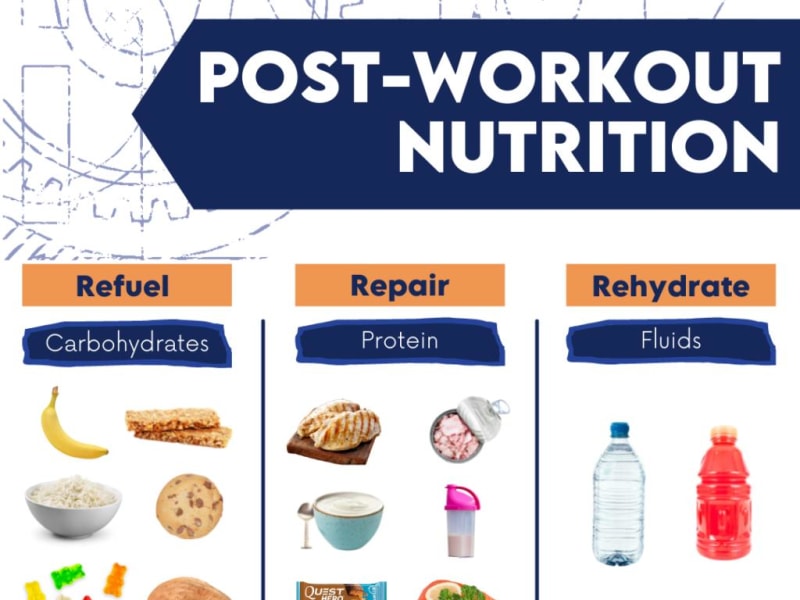
Pre- and post-workout nutrition are two of the most impactful yet frequently confused aspects of sports nutrition. The right foods at the right times can meaningfully improve performance, accelerate recovery, and maximise muscle adaptation — here's exactly what to eat and when.
April 14, 2026
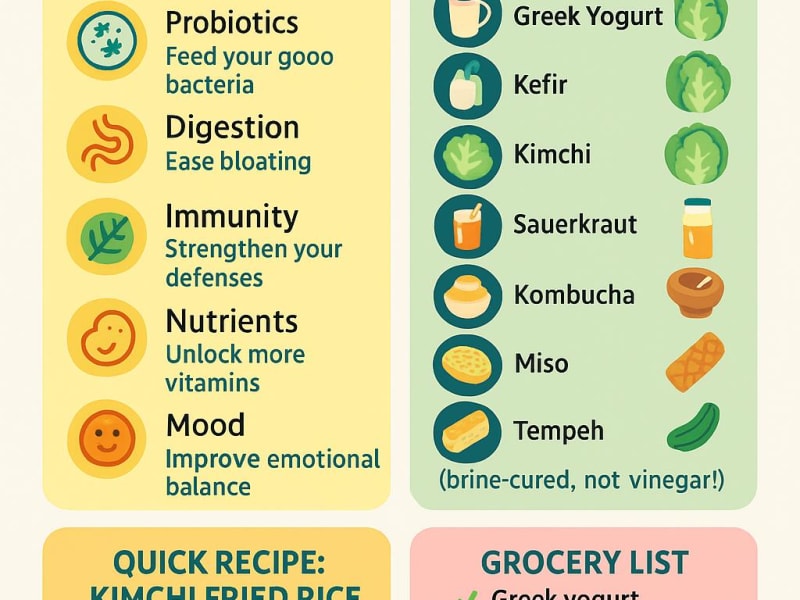
Fermented foods have nourished human gut health for millennia — and modern science is now confirming the mechanisms behind their benefits. From kefir to kimchi, this beginner's guide explains what fermented foods do in the body and how to incorporate them confidently.
April 14, 2026
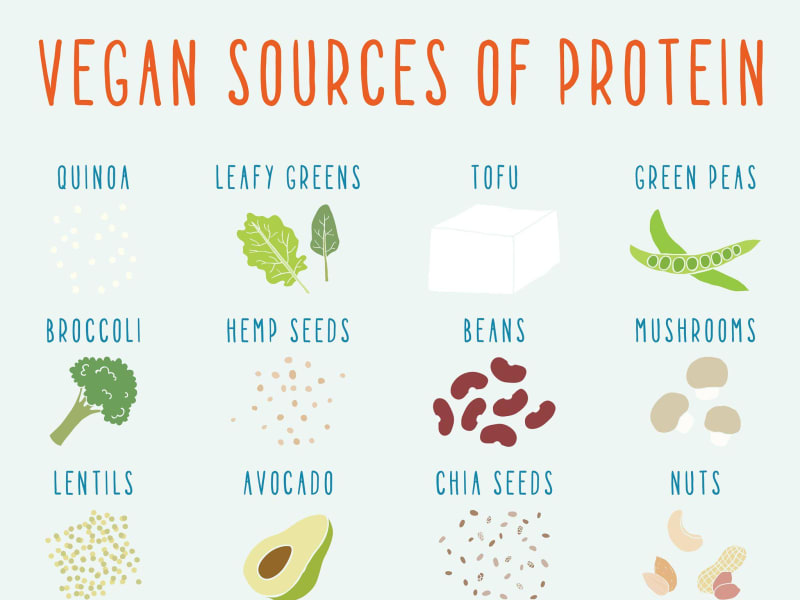
Plant proteins vary significantly in amino acid completeness and digestibility — and choosing the right ones matters for muscle maintenance, satiety, and overall health. This ranked guide separates the best plant protein sources from those that need strategic pairing.
April 14, 2026