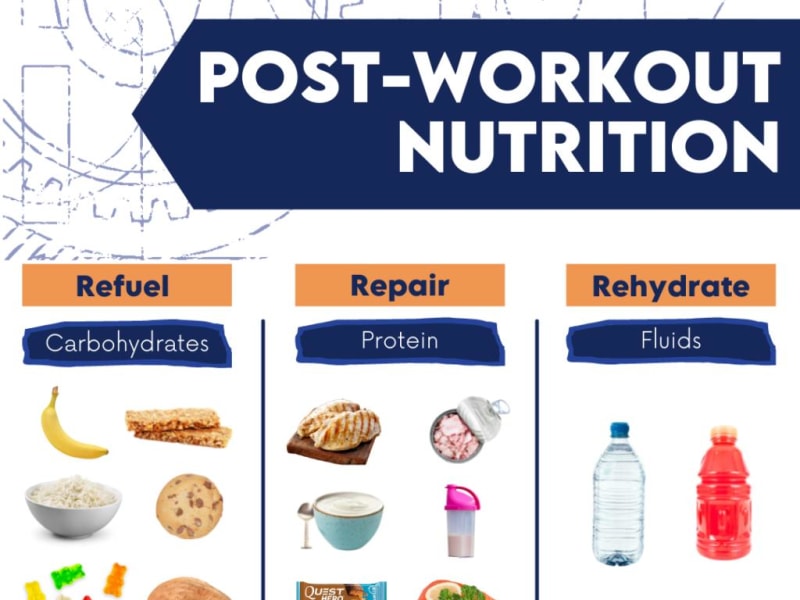
Are you looking for a simple, yet incredibly effective way to boost your daily nutrient intake? Do you want to feel more energized, support your weight management goals, and give your body a powerhouse of vitamins and minerals? Then it’s time to embrace the green smoothie revolution! Forget those bland, grassy concoctions you might have tried in the past. We’re talking about vibrant, delicious, and surprisingly easy-to-make drinks that can transform your health from the inside out. This guide is your passport to creating perfect green smoothies, tailored just for you, right here in India. Why Green Smoothies? The Powerhouse Within Green smoothies are more than just a trend; they are a smart nutritional strategy. They offer a fantastic way to pack a significant amount of fruits, vegetables, and healthy fats into a single, convenient serving. For busy Indians, juggling work, family, and social commitments, this is a game-changer. Instead of spending ages preparing multiple meals, you can whip up a nutrient-dense smoothie in minutes. It’s the perfect breakfast on the go, a revitalizing post-workout refuel, or a healthy afternoon pick-me-up. Think of it as your personal health potion, helping you meet your daily recommended intake of greens effortlessly. The benefits are vast and varied: Enhanced Energy Levels: Packed with vitamins and minerals, green smoothies provide sustained energy without the crash associated with sugary drinks. Improved Digestion: The fiber from fruits and vegetables aids in smooth digestion, preventing bloating and promoting gut health. Weight Management Support: Nutrient-dense and filling, they can help you feel satisfied for longer, reducing cravings for unhealthy snacks. Detoxification: Leafy greens are rich in antioxidants that help your body flush out toxins. Boosted Immunity: A regular intake of vitamins and minerals strengthens your immune system, helping you fight off common illnesses. Radiant Skin: The vitamins, minerals, and antioxidants contribute to healthier, glowing skin. Mastering the Art: Your Basic Green Smoothie Formula Creating a delicious green smoothie isn't rocket science. It's about understanding a few key components and then letting your creativity flow. Here’s a simple, adaptable formula that works every time: The Liquid Base (Approx. 1 cup / 240ml): This gets everything moving. Water is a simple choice, but for creamier results, consider unsweetened almond milk, soy milk, coconut milk, or even regular dairy milk if you prefer. You can also use coconut water for added electrolytes or unsweetened green tea for an antioxidant boost. The Greens (Approx. 1-2 cups, packed): This is where the magic happens! Start with milder greens if you're new to this. Baby spinach is the undisputed champion for beginners – its flavour is virtually undetectable. As you get more adventurous, try kale (remove tough stems!), romaine lettuce, Swiss chard, or even a small amount of mint or parsley for a flavour twist. The Fruit (Approx. 1 cup): Fruit adds natural sweetness and masks the green flavour. Frozen fruit is excellent for a thicker, colder smoothie. Think bananas (a classic for creaminess!), mangoes, berries (strawberries, blueberries, raspberries), pineapple, or peaches. A mix often yields the best flavour. Healthy Fats (1-2 tablespoons): These add richness, satiety, and help your body absorb fat-soluble vitamins. Options include nut butters (peanut, almond, cashew), seeds (chia seeds, flax seeds, hemp seeds), or a quarter of an avocado. Protein Boost (Optional, 1-2 scoops): If you want a more filling smoothie or are using it as a meal replacement, add protein powder. Choose whey, casein, soy, pea, or other plant-based options. Unflavoured or vanilla works well with most combinations. You can also add Greek yogurt or paneer for a protein kick. Flavour Enhancers & Superfoods (Optional): This is where you can get creative! A squeeze of lemon or lime juice, a dash of cinnamon, a piece of fresh ginger, a teaspoon of honey or jaggery (use sparingly!), or even a sprinkle of turmeric can elevate your smoothie. The Perfect Blend: A Step-by-Step Guide Let’s put the formula into action! Here’s a popular and incredibly easy recipe that’s a favourite among many: The “Can’t Taste the Greens” Smoothie Recipe This recipe is a lifesaver for picky eaters and green smoothie newbies. The sweetness of the banana and the richness of the nut butter completely mask the spinach. 1 cup (240ml) unsweetened almond milk (or milk of your choice) 1 to 1.5 cups (approx. 30-45 grams) fresh baby spinach 1 medium ripe banana (preferably frozen for thickness) 1 tablespoon (15ml) peanut butter (or almond butter) 1 to 2 scoops vanilla or unflavoured protein powder (optional) 1 tablespoon (15ml) chia seeds or ground flax seeds (optional, for added fibre and omega-3s) Instructions: Add the liquid base (almond milk) to your blender first. This helps the blades move freely. Add the baby spinach. Add the frozen banana, peanut butter, and protein powder/seeds if using. Secure the lid tightly. Blend on high speed until the mixture is completely smooth and creamy. This might take 30-60 seconds depending on your blender. Scrape down the sides if necessary. If the smoothie is too thick, add a little more liquid (milk or water) and blend again. If it’s too thin, add a few more pieces of frozen banana or a couple of ice cubes and blend. Pour into a glass. For an extra touch, top with a few sliced almonds or a sprinkle of chia seeds. Enjoy immediately! Customizing Your Creation: Indian Flavours and Swaps The beauty of green smoothies lies in their adaptability. Here are some ideas to tailor your smoothie to your taste and what’s available in your kitchen: Spice it Up: Add a small knob of fresh ginger for a warming kick, or a pinch of cardamom for an aromatic twist. A touch of cinnamon is always a winner. Tropical Vibes: Swap banana for mango and pineapple. Use coconut milk or coconut water as your base. Berry Blast: Load up on mixed berries (fresh or frozen) for antioxidants and a beautiful colour. Creamy Dream: For extra creaminess without banana, try adding half an avocado or a few tablespoons of thick Greek yogurt or even a spoonful of soaked cashews. Nut Butter Alternatives: If you don’t have peanut or almond butter, sunflower seed butter or tahini (sesame seed paste) are good options. Seed Swaps: Ground flax seeds can be swapped for chia seeds, hemp seeds, or even pumpkin seeds. Sweeteners (Use Wisely!): If your fruit isn't sweet enough, a small drizzle of honey, maple syrup, or a date or two can help. But try to rely on the fruit's natural sweetness first. When to Consult a Doctor While green smoothies are generally very healthy, it’s always wise to be mindful of your body’s needs. You should consult a doctor or a registered dietitian if: You have any underlying medical conditions (like kidney disease, diabetes, or specific allergies) that might be affected by increased fruit or vegetable intake. You are experiencing digestive issues and are unsure if a smoothie will help or hinder. You have specific dietary restrictions or are on medication that might interact with certain ingredients (e.g., high potassium foods if you have kidney issues). You are trying to manage a health condition through diet and want to ensure your smoothie choices align with your treatment plan. Frequently Asked Questions (FAQ) Q1: Can I really not taste the spinach at all? With the right balance of fruit and healthy fats, like in the recipe above, the flavour of spinach is incredibly well-masked. Start with spinach, and as you get comfortable, you can experiment with other greens. Q2: Is it okay to use frozen fruits and vegetables? Absolutely! Frozen fruits and vegetables are often picked at peak ripeness and flash-frozen, preserving their nutrients. They also make your smoothie wonderfully thick and cold without needing ice, which can dilute the flavour. Q3: How much sugar is actually in a green smoothie? The sugar primarily comes from the fruit. While it’s natural sugar, it’s still sugar. Using a good balance of greens, healthy fats, and protein can help mitigate blood sugar spikes. Avoid adding excessive amounts of high-sugar fruits or added sweeteners. Remember, portion control is key! Q4: Can I make green smoothies ahead of time? It’s best to drink them fresh for maximum nutrient absorption and best taste. However, you can prep ingredients by washing and chopping them, or even portioning them into freezer bags. If you must make it ahead, store it in an airtight container in the fridge for up to 24 hours, but be aware that some nutrients might degrade, and the texture might change. Q5: What if I don’t have a high-speed blender? You can still make a great green smoothie! You might just need to blend for a bit longer, and you may need to strain out any fibrous bits if using tougher greens like kale. Start with softer ingredients and liquids first, blend until smooth, and then add tougher ingredients. Adding a little more liquid can also help. The Takeaway: Your Health Journey, One Smoothie at a Time Green smoothies are a delicious, versatile, and powerful tool for enhancing your
In summary, timely diagnosis, evidence-based treatment, and prevention-focused care improve long-term health outcomes.