

Free Helpline
We are here to assist you.
Health Advisor
+91-8877772277Available 7 days a week
10:00 AM – 6:00 PM to support you with urgent concerns and guide you toward the right care.

We are here to assist you.
Health Advisor
+91-8877772277Available 7 days a week
10:00 AM – 6:00 PM to support you with urgent concerns and guide you toward the right care.
Discover the best multivitamins for men, focusing on essential nutrients like Vitamin D, Magnesium, and Zinc, and learn how to choose a high-quality supplement to support energy, immunity, and overall male health. A practical guide to help you bridge nutritional gaps and optimize your wellness.

In today's fast-paced world, maintaining optimal health can be a challenge. Even with a balanced diet, men often face unique nutritional demands that can be difficult to meet through food alone. This is where high-quality multivitamins tailored for men can play a crucial role. They are designed to bridge potential nutritional gaps, support vital bodily functions, and promote overall well-being, from boosting energy to supporting prostate health.
Men have distinct physiological needs that evolve with age and lifestyle. A multivitamin formulated specifically for men takes these differences into account, providing targeted support where it's needed most.
Despite our best intentions, modern diets often fall short in delivering all the essential vitamins and minerals our bodies require. Factors like soil depletion, food processing, and individual dietary preferences can lead to deficiencies. A multivitamin acts as an insurance policy, ensuring a consistent intake of foundational nutrients.
From maintaining energy levels and muscle function to supporting reproductive health and managing stress, men's bodies have specific requirements. Certain nutrients are particularly vital for male vitality, immune function, and protecting against common health concerns as they age.
When selecting a multivitamin, look for formulations that emphasize these crucial ingredients, tailored to male health.
Often called the 'sunshine vitamin', Vitamin D is essential for bone health, immune function, and plays a significant role in testosterone production. Many men are deficient, especially those with limited sun exposure.
This mineral is involved in over 300 biochemical reactions in the body, including muscle and nerve function, blood glucose control, and blood pressure regulation. It's vital for energy production and can help improve sleep quality and reduce muscle cramps.
Crucial for immune system function, protein synthesis, and wound healing, Zinc is also indispensable for male reproductive health, including healthy testosterone levels and prostate function.
The B vitamin complex, particularly B6, folate (B9), and B12, is fundamental for energy metabolism, converting food into fuel. They support nervous system function and red blood cell formation, helping to combat fatigue and maintain cognitive health.
Potent antioxidants, Vitamin C and Vitamin E help protect cells from damage caused by free radicals. Vitamin C also supports immune function and collagen production, while Vitamin E is beneficial for skin health and circulation.
An important trace mineral, Selenium acts as an antioxidant and plays a role in thyroid function and immune health. It's also linked to prostate health and sperm quality.
Consider supplements that include Lycopene for prostate health, Chromium for blood sugar regulation, and sufficient Calcium for bone density, especially as men age.
While a healthy diet is paramount, certain groups of men may find multivitamins particularly beneficial.
Vegetarians, vegans, or men with allergies might struggle to obtain sufficient amounts of certain nutrients like B12, iron, and zinc. A multivitamin can help fill these voids.
High levels of physical activity increase nutrient demands and accelerate nutrient depletion. Multivitamins can support recovery, energy production, and overall performance.
As men age, nutrient absorption can decrease, and specific needs change. For instance, older men often require more Vitamin D and B12.
Chronic stress and a demanding lifestyle can deplete vital nutrients. A multivitamin can offer foundational support to help the body cope.
The market is flooded with options, so making an informed choice is key.
Choose brands that submit their products for independent testing by organizations like USP, NSF International, or ConsumerLab.com. This ensures purity, potency, and that the product contains what it claims.
Opt for highly absorbable forms of nutrients. For example, Vitamin D3 is more effective than D2, and chelated minerals (like zinc picolinate) are better absorbed than some inorganic forms. Methylated B vitamins (like methylfolate and methylcobalamin) are beneficial for those with MTHFR gene variations.
More is not always better. Excessive amounts of certain vitamins and minerals can be harmful. Look for formulations that provide around 100% of the Daily Value (DV) for most nutrients, with a few exceptions like Vitamin D.
Steer clear of unnecessary fillers, artificial colors, flavors, and preservatives. A clean label often indicates a higher quality product.
Incorporating a multivitamin can lead to improved energy, better mood, enhanced immune response, and support for overall bodily functions. However, it's crucial to remember that a multivitamin is a supplement, not a substitute, for a healthy diet and lifestyle. Always consult with a healthcare professional before starting any new supplement regimen, especially if you have pre-existing health conditions or are taking medications.
It's generally recommended to take multivitamins with food, as many vitamins (especially fat-soluble ones like A, D, E, K) are better absorbed in the presence of fat. Taking them with a meal can also help prevent stomach upset.
While it's ideal to get nutrients from whole foods, it's increasingly challenging due to modern farming practices, food processing, and individual dietary habits. A multivitamin can act as a safety net to ensure adequate intake.
Most multivitamins are well-tolerated when taken as directed. However, some individuals might experience mild side effects like nausea or constipation. Taking them with food can often alleviate these symptoms. High doses of certain nutrients can be harmful, so always stick to the recommended dosage.
The effects of multivitamins are often subtle and gradual. Some people may notice increased energy or improved well-being within a few weeks, while for others, the benefits are more long-term, contributing to overall health maintenance.
For consistent nutritional support, most multivitamins are designed for daily consumption. However, always follow the specific dosing instructions on the product label and consult your doctor.
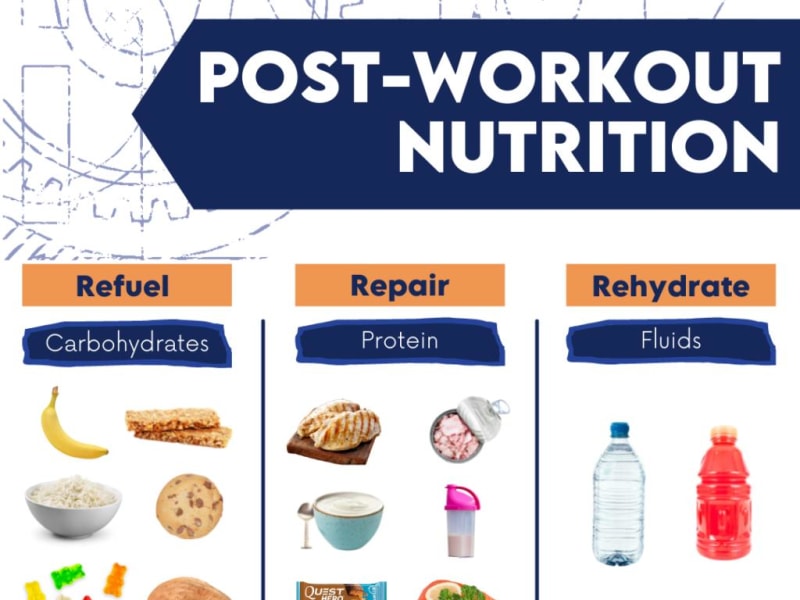
Pre- and post-workout nutrition are two of the most impactful yet frequently confused aspects of sports nutrition. The right foods at the right times can meaningfully improve performance, accelerate recovery, and maximise muscle adaptation — here's exactly what to eat and when.
April 14, 2026
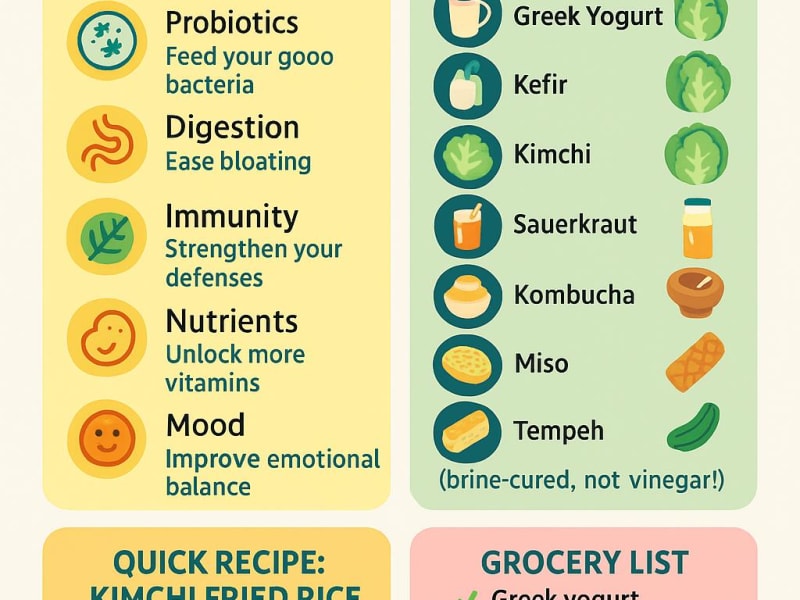
Fermented foods have nourished human gut health for millennia — and modern science is now confirming the mechanisms behind their benefits. From kefir to kimchi, this beginner's guide explains what fermented foods do in the body and how to incorporate them confidently.
April 14, 2026
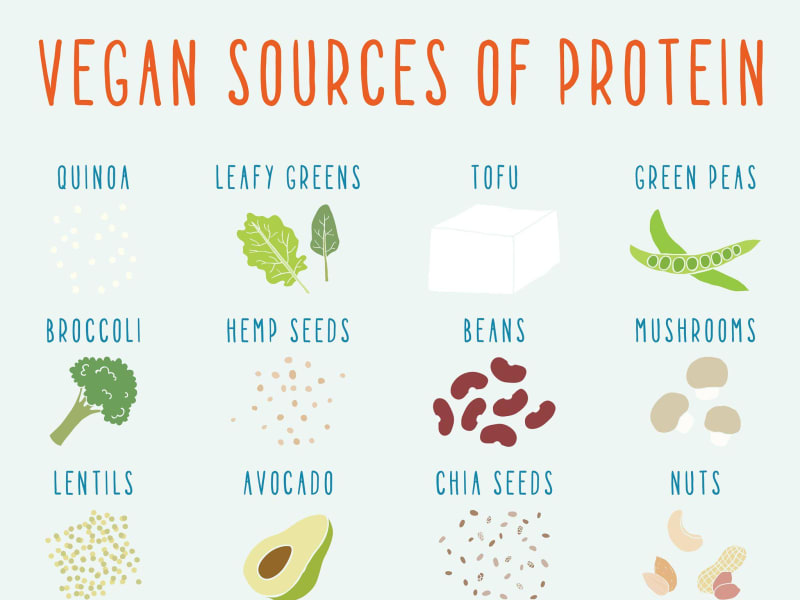
Plant proteins vary significantly in amino acid completeness and digestibility — and choosing the right ones matters for muscle maintenance, satiety, and overall health. This ranked guide separates the best plant protein sources from those that need strategic pairing.
April 14, 2026