

Free Helpline
We are here to assist you.
Health Advisor
+91-8877772277Available 7 days a week
10:00 AM – 6:00 PM to support you with urgent concerns and guide you toward the right care.

We are here to assist you.
Health Advisor
+91-8877772277Available 7 days a week
10:00 AM – 6:00 PM to support you with urgent concerns and guide you toward the right care.
Explore the comprehensive health benefits of sunflower lecithin, a natural emulsifier, from supporting brain and liver health to improving digestion. Learn about its uses, dosage, and potential side effects.

Sunflower lecithin, a natural fatty substance derived from sunflower seeds, has gained significant attention in the health and wellness community. Valued for its emulsifying properties and rich nutrient profile, it serves as a popular alternative to soy lecithin. This comprehensive guide explores the multifaceted benefits of sunflower lecithin, its uses, potential side effects, and why it might be a beneficial addition to your health regimen.
Lecithin is a generic term for a group of fatty substances found in animal and plant tissues. It's composed of phospholipids, which are crucial components of cell membranes. Phospholipids include phosphatidylcholine, phosphatidylethanolamine, and phosphatidylinositol, among others. Sunflower lecithin is extracted from sunflower seeds without the use of harsh chemical solvents like hexane, making it a preferred choice for many consumers seeking a cleaner, non-GMO, and allergen-friendly supplement.
Its primary role in the body is as an emulsifier, helping to break down fats and oils into smaller particles, making them easier to digest and absorb. This property also makes it a valuable ingredient in food manufacturing, where it's used to stabilize mixtures, prevent separation, and improve texture.
While lecithin can be sourced from various places like egg yolks and soy, sunflower lecithin offers distinct advantages:
One of the most well-documented benefits of lecithin, including sunflower lecithin, is its positive impact on brain health. It is a rich source of choline, an essential nutrient vital for several bodily functions, particularly brain development and neurotransmitter synthesis. Choline is a precursor to acetylcholine, a neurotransmitter crucial for memory, mood, muscle control, and other brain and nervous system functions.
Lecithin plays a crucial role in maintaining liver health. The phosphatidylcholine in sunflower lecithin helps prevent the accumulation of fat in the liver, a condition known as fatty liver disease. It aids in the metabolism of fats and cholesterol, facilitating their transport out of the liver.
As an emulsifier, sunflower lecithin can significantly benefit digestive health, especially for individuals with conditions that impair fat digestion or absorption.
Sunflower lecithin may contribute to a healthier cardiovascular system by assisting in cholesterol management.
For nursing mothers, sunflower lecithin is often recommended to help prevent recurrent clogged milk ducts, a common and painful issue.
The fatty acids and phospholipids in sunflower lecithin can also benefit skin health, both when consumed orally and applied topically.
Sunflower lecithin is available in several forms, making it easy to integrate into your daily routine:
The typical recommended dosage varies, but common recommendations range from 1 to 2 tablespoons (granules/powder) or 1200-2400 mg (capsules) per day. It's always best to follow the dosage instructions on the product label or consult a healthcare professional.
Sunflower lecithin is generally considered safe for most people when consumed in recommended amounts. However, some individuals may experience mild side effects:
When to See a Doctor:
While sunflower lecithin is largely safe, it's advisable to consult a healthcare provider before starting any new supplement, especially if you:
Always choose a reputable brand that provides third-party testing to ensure purity and quality.
A1: Yes, sunflower lecithin is generally considered safe for long-term use when taken within recommended dosages. However, periodic consultation with a healthcare professional is always advisable to monitor your overall health and supplement regimen.
A2: The primary differences lie in their source and extraction methods. Sunflower lecithin comes from sunflower seeds and is typically extracted without chemical solvents, making it non-GMO and allergen-friendly. Soy lecithin comes from soybeans, which are often genetically modified, and can be processed with hexane. Both offer similar health benefits due to their phospholipid content.
A3: While sunflower lecithin aids in fat metabolism and digestion, it is not a direct weight-loss supplement. It can support overall metabolic health, which is a component of weight management, but it should be part of a balanced diet and regular exercise program, not a standalone solution.
A4: The time frame for experiencing benefits can vary greatly depending on the individual, the specific health concern, and the dosage. Some individuals might notice digestive improvements within days, while cognitive or liver health benefits may take several weeks to months of consistent use.
A5: While sunflower lecithin is generally considered safe, especially in foods, it's crucial to consult a pediatrician before giving supplemental doses to children. Dosage and appropriateness can vary based on age, weight, and health status.
Sunflower lecithin stands out as a versatile and beneficial supplement, offering a range of advantages from supporting brain and liver health to aiding digestion and cardiovascular function. Its non-GMO and allergen-friendly profile makes it an excellent alternative to soy lecithin for those seeking a cleaner option. While generally safe, responsible supplementation involves understanding its uses, potential side effects, and consulting with a healthcare professional to ensure it aligns with your individual health needs. Incorporating sunflower lecithin into a balanced lifestyle could be a valuable step towards enhancing your overall well-being.
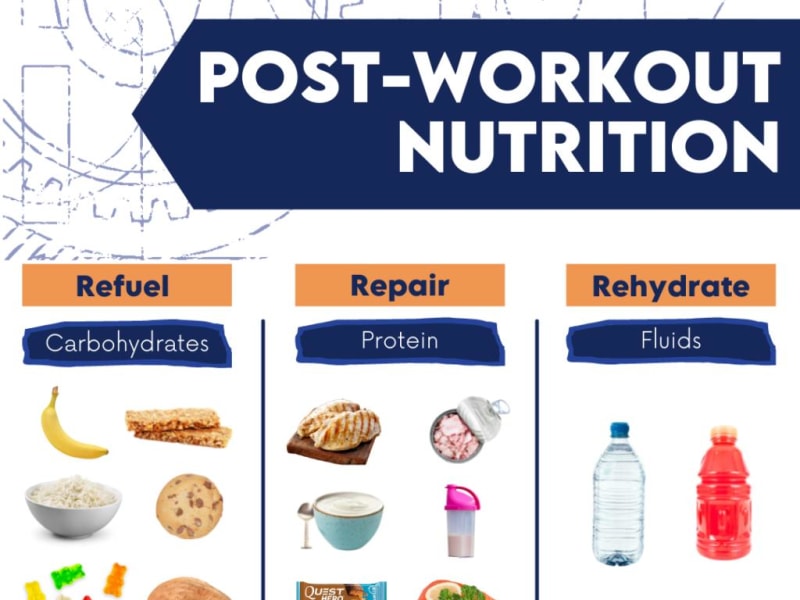
Pre- and post-workout nutrition are two of the most impactful yet frequently confused aspects of sports nutrition. The right foods at the right times can meaningfully improve performance, accelerate recovery, and maximise muscle adaptation — here's exactly what to eat and when.
April 14, 2026
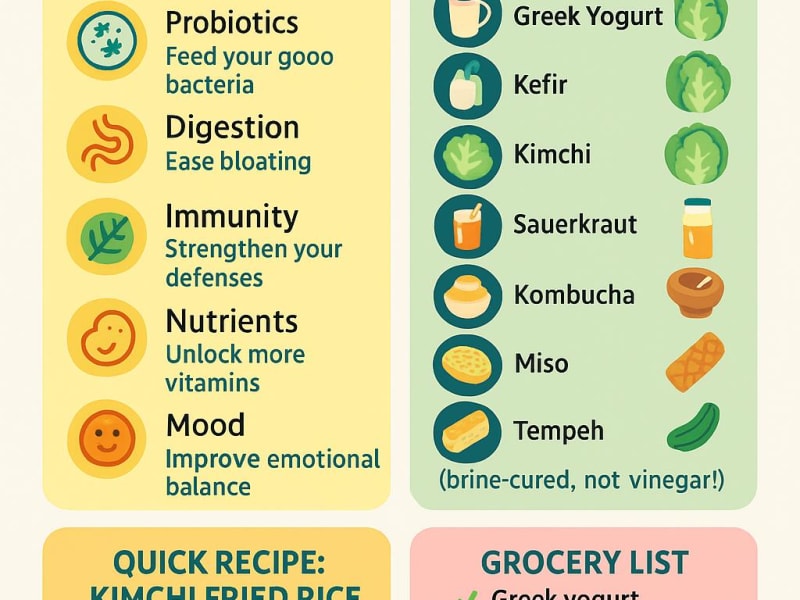
Fermented foods have nourished human gut health for millennia — and modern science is now confirming the mechanisms behind their benefits. From kefir to kimchi, this beginner's guide explains what fermented foods do in the body and how to incorporate them confidently.
April 14, 2026
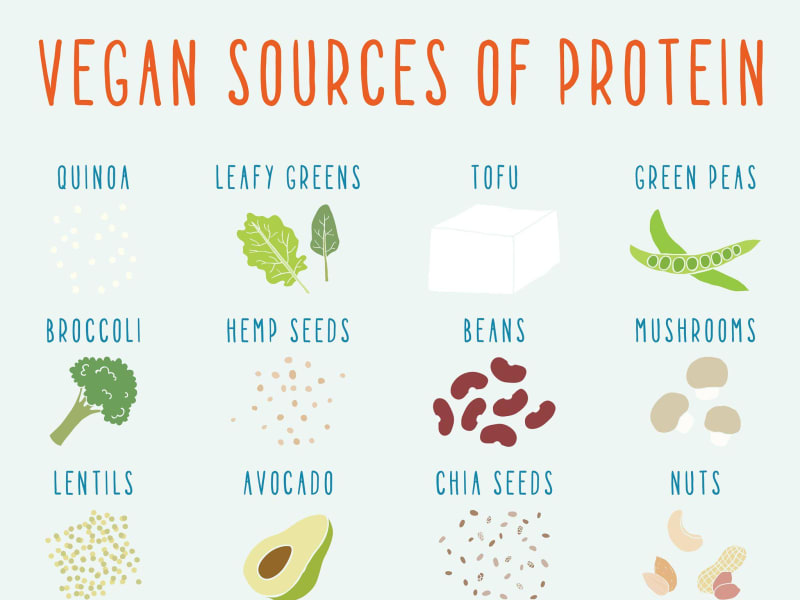
Plant proteins vary significantly in amino acid completeness and digestibility — and choosing the right ones matters for muscle maintenance, satiety, and overall health. This ranked guide separates the best plant protein sources from those that need strategic pairing.
April 14, 2026