Many people looking to boost their physique and workout performance turn to supplements, often wondering about something called "legal steroids." It sounds promising, right? A way to get those gains without the legal trouble or serious health risks associated with illegal anabolic steroids. But what exactly are these "legal steroids," and do they live up to the hype? Let's break down the facts, understand the risks, and explore safer, proven ways to build muscle and strength.
What Are "Legal Steroids"?
The term "legal steroids" is a bit of a catch-all. It generally refers to over-the-counter (OTC) supplements that are designed to help with bodybuilding, enhance workout performance, and increase stamina. These are distinct from Anabolic-Androgenic Steroids (AAS), which are synthetic versions of testosterone. AAS are powerful drugs that require a doctor's prescription for specific medical conditions, like muscle wasting or testosterone production disorders. When used without a prescription, they are illegal and carry significant health risks.
So, when people talk about "legal steroids," they're usually referring to supplements that don't fall into the illegal AAS category. The key question is: are they safe and effective? The answer, like many things in health, is "yes and no." Some legal supplements can offer benefits, while others might be completely ineffective or even dangerous.
Understanding Illegal Anabolic Steroids (AAS)
Before we dive into legal options, it's vital to understand what makes AAS illegal and risky. These are manufactured substances mimicking testosterone. While they can indeed help build muscle mass and strength rapidly, their misuse can lead to severe health problems. These include:
- Heart problems (heart attacks, high blood pressure)
- Liver damage
- Kidney problems
- Hormonal imbalances
- Mood swings and aggression (roid rage)
- Infertility
- Increased risk of certain cancers
In India, possessing or distributing AAS without a valid prescription is a criminal offense. The Narcotics Drugs and Psychotropic Substances (NDPS) Act, 1985, governs such substances, and penalties can be severe, including imprisonment and hefty fines.
Popular "Legal Steroids" and Their Science
Not all supplements marketed for muscle growth are the same. Some have scientific backing, while others rely on clever marketing. Let's look at a few common ones:
Creatine: The Well-Studied Champion
Creatine is perhaps the most well-researched and widely used supplement for muscle building. It's a naturally occurring substance found in foods like fish and meat, and it plays a role in energy production within your muscles. Supplementing with creatine can help your muscles produce more energy during intense workouts, leading to improved strength and muscle mass.
What the science says:
- A 1999 study found that weightlifters using creatine showed significantly more muscle fiber growth and doubled their body mass compared to those who didn't.
- A 2003 study indicated that creatine, combined with weight training, helps build leg strength and overall muscle mass.
- A 2007 review identified creatine as the best supplement for increasing muscle mass.
- Research has generally found no long-term negative health effects from creatine use when taken as recommended.
How to use it: Creatine monohydrate is the most common and effective form. Follow the dosage instructions on the product label, typically around 3-5 grams per day. Staying well-hydrated is also important.
Betaine Anhydrous: A Supporting Player
Betaine, also known as trimethylglycine (TMG), is found naturally in foods like beets and spinach. It's often included in pre-workout supplements alongside creatine. Some studies suggest betaine may help improve power output and muscle endurance.
What the science says: While promising, the evidence for betaine's standalone muscle-building effects is not as robust as creatine's. It's often studied as part of a blend.
How to use it: If included in a pre-workout, follow the product's directions. If taking it separately, doses typically range from 1.5 to 2.5 grams per day.
Dendrobium Extract: Caution Advised
Dendrobium is an orchid extract that has been found in some multi-ingredient pre-workout supplements (MIPS). It was initially thought to potentially enhance performance, but concerns have been raised about its safety and effectiveness.
What the science says: The scientific evidence supporting its benefits for muscle building or performance is limited and often overshadowed by safety concerns. Some products containing dendrobium have also been found to contain undeclared stimulants.
Reader scenario: Rohan bought a popular pre-workout powder that promised huge gains. After a few weeks, he noticed his heart racing and felt anxious during workouts, something that never happened before. He realized the supplement might contain ingredients he wasn't aware of.
DMAA (1,3-Dimethylamylamine): A Definite No-Go
DMAA is a stimulant that has been found in some muscle-building and weight-loss supplements. The U.S. Food and Drug Administration (FDA) has issued strong warnings against its use, and it is considered unsafe. Products containing DMAA marketed as dietary supplements are illegal in many countries.
Why avoid it: DMAA can cause serious health complications, including:
- Shortness of breath
- Chest tightness
- High blood pressure
- Heart attacks
- Stroke
If you see DMAA or any related compounds (like geranium extract, though often a misnomer) on an ingredient list, avoid the product entirely.
When Supplements Aren't Enough: Proven Methods for Muscle Growth
While some supplements can offer a small boost, they are not magic pills. The foundation of building muscle and strength lies in consistent, smart training and proper nutrition. Here are the proven methods:
1. Strategic Weight Training
This is non-negotiable. You need to challenge your muscles to grow. Focus on compound exercises that work multiple muscle groups simultaneously, such as:
- Squats
- Deadlifts
- Bench presses
- Overhead presses
- Rows
Progressive overload is key: gradually increase the weight, repetitions, or sets over time to keep stimulating muscle growth. Aim for 3-5 training sessions per week, allowing rest days for muscle recovery.
2. Adequate Protein Intake
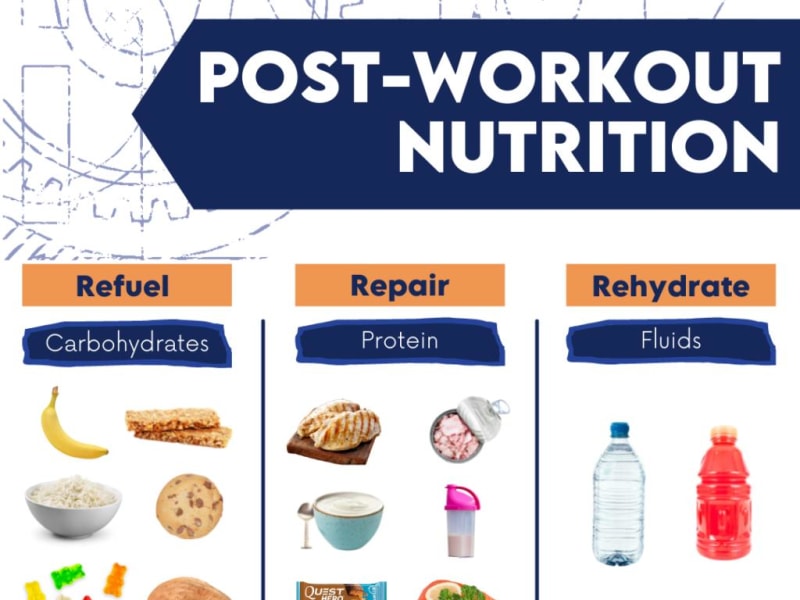
Muscles are built from protein. Ensure you're consuming enough protein throughout the day. Good sources include:
- Lean meats (chicken, fish, turkey)
- Eggs
- Dairy products (milk, yogurt, paneer)
- Legumes (dal, beans, chickpeas)
- Tofu and soy products
A general guideline is to consume about 1.6 to 2.2 grams of protein per kilogram of body weight daily, especially if you are training intensely.
3. Balanced Nutrition
Your body needs fuel to perform and recover. Ensure your diet includes sufficient carbohydrates for energy and healthy fats for hormone production. Plenty of fruits and vegetables provide essential vitamins and minerals.
4. Sufficient Sleep and Recovery
Muscle growth actually happens during rest, not during the workout itself. Aim for 7-9 hours of quality sleep per night. Overtraining without adequate rest can hinder progress and increase injury risk.
When to Consult a Doctor or Dietitian
Before starting any new supplement regimen, especially if you have pre-existing health conditions, it's wise to talk to your doctor. They can advise on potential interactions and safety. For personalized nutrition and training plans, a registered dietitian or a certified sports nutritionist can be invaluable.
If you experience any adverse effects from a supplement, stop taking it immediately and consult a healthcare professional.
The Bottom Line
The term "legal steroids" can be misleading. While some OTC supplements like creatine have proven benefits for muscle building when used correctly, many others lack scientific support or pose significant health risks. Illegal anabolic steroids carry severe health and legal consequences. Focus on the fundamentals: a consistent weight training program, a protein-rich diet, adequate rest, and overall healthy lifestyle. These are the safest and most effective ways to achieve your fitness goals.
Frequently Asked Questions (FAQ)
- Are all "legal steroids" safe? No. While some, like creatine, are generally considered safe and effective when used as directed, others can be ineffective or even dangerous. Always check ingredients and research thoroughly.
- Can I buy illegal steroids in India? Buying, possessing, or selling illegal anabolic steroids without a prescription is against the law in India and can lead to severe penalties.
- How much protein do I need for muscle gain? Aim for approximately 1.6 to 2.2 grams of protein per kilogram of body weight per day if you are actively training for muscle growth.
- Is creatine safe for long-term use? Yes, numerous studies suggest that creatine is safe for long-term use when taken at recommended dosages and when the individual is well-hydrated.
- What should I do if a supplement makes me feel sick? Stop taking the supplement immediately and consult a doctor or healthcare provider.