

Free Helpline
We are here to assist you.
Health Advisor
+91-8877772277Available 7 days a week
10:00 AM – 6:00 PM to support you with urgent concerns and guide you toward the right care.

We are here to assist you.
Health Advisor
+91-8877772277Available 7 days a week
10:00 AM – 6:00 PM to support you with urgent concerns and guide you toward the right care.
Explore the differences between krill oil and fish oil, including their omega-3 content, absorption rates, health benefits, potential side effects, and sustainability. Make an informed choice for your health.

Understanding Omega-3 Fatty Acids: The Essential Nutrients Omega-3 fatty acids are vital nutrients that our bodies cannot produce on their own. They play a crucial role in maintaining overall health, from supporting brain function and heart health to reducing inflammation. In India, where lifestyle diseases are on the rise, understanding how to incorporate these essential fats into our diet is more important than ever. Two popular sources of omega-3s are fish oil and krill oil. While both offer benefits, they differ in their composition, absorption, and potential advantages. This article delves into the nuances of krill oil versus fish oil to help you make an informed decision for your health. What are Fish Oil and Krill Oil? Fish oil is derived from the tissues of oily fish such as salmon, mackerel, herring, sardines, and tuna. These fish are rich in two primary omega-3 fatty acids: eicosapentaenoic acid (EPA) and docosahexaenoic acid (DHA). These are the most biologically active forms of omega-3s, meaning the body can use them readily. Krill oil , on the other hand, is extracted from krill, tiny, shrimp-like crustaceans that inhabit the cold waters of the Southern Ocean. Krill also contain EPA and DHA, but they are bound to phospholipids, which are components of cell membranes. This structural difference is believed to enhance their absorption and bioavailability in the body. Key Differences: Concentration and Absorption One of the primary distinctions between krill oil and fish oil lies in their concentration of omega-3 fatty acids. Generally, fish oil supplements tend to have a higher concentration of EPA and DHA compared to krill oil. For instance, a typical fish oil capsule might contain 300-500 mg of combined EPA and DHA, whereas krill oil capsules might contain around 150-250 mg. However, the form in which omega-3s are present makes a significant difference. In krill oil, EPA and DHA are attached to phospholipids. This structure is similar to how omega-3s are found in our cell membranes, which may allow the body to absorb and utilize them more efficiently. Some studies suggest that due to this enhanced bioavailability, a smaller dose of krill oil might be as effective as a larger dose of fish oil in raising omega-3 levels in the body. Potential Health Benefits of Omega-3s Both krill oil and fish oil are lauded for their potential health benefits, largely attributed to their EPA and DHA content. These benefits include: Heart Health: Omega-3s can help lower triglyceride levels, reduce blood pressure, and decrease the risk of heart disease and stroke. Brain Function: DHA is a major structural component of the brain and retina. Adequate intake is crucial for cognitive function, memory, and mood regulation. Reduced Inflammation: EPA and DHA have anti-inflammatory properties, which can help alleviate symptoms of inflammatory conditions like arthritis. Eye Health: DHA is vital for maintaining good vision and can help prevent age-related macular degeneration. Mental Well-being: Some research suggests omega-3s may play a role in managing symptoms of depression and anxiety. Krill Oil vs. Fish Oil: What Does the Research Say? The scientific community has extensively studied fish oil for decades, leading to a robust body of evidence supporting its benefits. However, research on krill oil is more recent but growing. While some studies indicate that krill oil might be more effective due to its superior absorption, it's important to note that much of the research on omega-3s, in general, is not always conclusive. For example, a large study in 2013 found that omega-3 supplements did not significantly reduce the risk of heart attacks or death in individuals with existing heart disease or risk factors. This highlights the need for ongoing research to fully understand the impact of omega-3s on various health conditions. Furthermore, a commentary in 2014 suggested that a trial claiming krill oil's superiority over fish oil might have been misleading due to the use of an atypical fish oil. The Cleveland Clinic, while acknowledging the potential of krill oil, recommends sticking with fish oil until more comprehensive human studies on krill oil are completed. Potential Side Effects and Risks Both krill oil and fish oil supplements are generally considered safe when taken in recommended doses. However, some potential side effects can occur: Digestive Issues: Upset stomach, bloating, or indigestion can occur. Taking supplements with a meal may help minimize these effects. Bleeding Risk: Omega-3s can have a blood-thinning effect. Individuals with bleeding disorders or those taking anticoagulant medications (blood thinners) should exercise caution and consult their doctor. Allergies: People with allergies to fish or shellfish should avoid these supplements. Blood Sugar and Blood Pressure: Omega-3s may affect blood sugar and blood pressure levels. Those with diabetes, hypoglycemia, or taking related medications should consult their healthcare provider. It's also worth noting that concerns about contaminants like mercury and PCBs in fish have led to the development of high-quality fish oil supplements that are purified to remove these substances. However, it's always wise to choose reputable brands. Sustainability and Environmental Concerns The increasing popularity of fish oil has raised concerns about the sustainability of fish populations. Overfishing has put a strain on many marine ecosystems. Krill, while abundant, are a vital part of the Antarctic food chain, and concerns exist about the impact of large-scale krill harvesting on the environment and the species that depend on them. Making the Choice: Krill Oil vs. Fish Oil for Indian Consumers When deciding between krill oil and fish oil,
In summary, timely diagnosis, evidence-based treatment, and prevention-focused care improve long-term health outcomes.
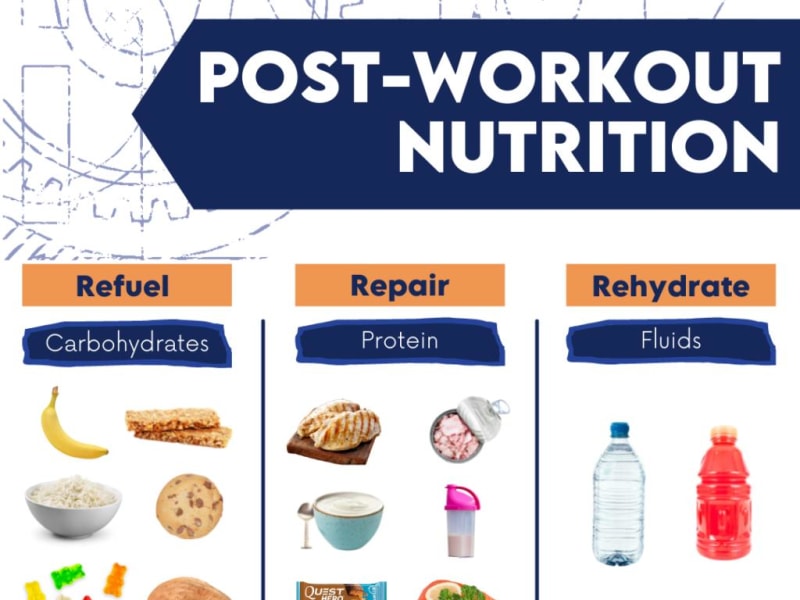
Pre- and post-workout nutrition are two of the most impactful yet frequently confused aspects of sports nutrition. The right foods at the right times can meaningfully improve performance, accelerate recovery, and maximise muscle adaptation — here's exactly what to eat and when.
April 14, 2026
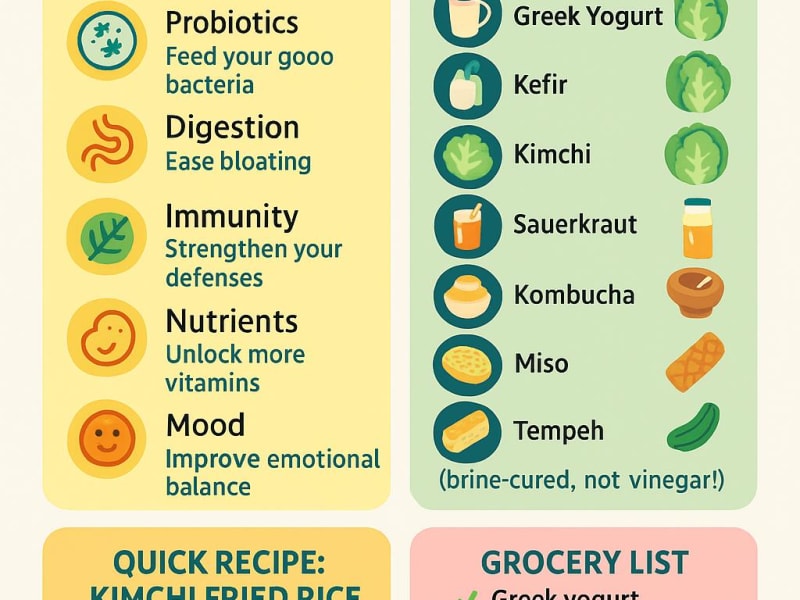
Fermented foods have nourished human gut health for millennia — and modern science is now confirming the mechanisms behind their benefits. From kefir to kimchi, this beginner's guide explains what fermented foods do in the body and how to incorporate them confidently.
April 14, 2026
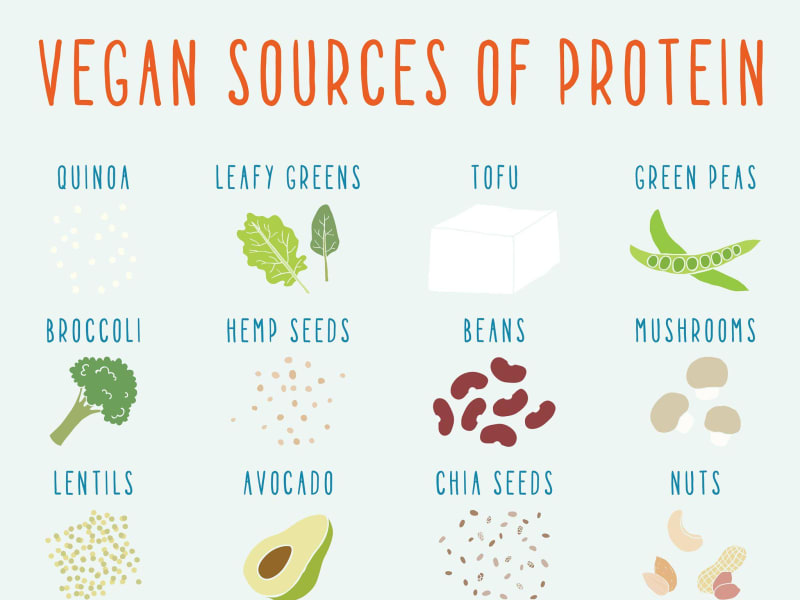
Plant proteins vary significantly in amino acid completeness and digestibility — and choosing the right ones matters for muscle maintenance, satiety, and overall health. This ranked guide separates the best plant protein sources from those that need strategic pairing.
April 14, 2026