

Free Helpline
We are here to assist you.
Health Advisor
+91-8877772277Available 7 days a week
10:00 AM – 6:00 PM to support you with urgent concerns and guide you toward the right care.

We are here to assist you.
Health Advisor
+91-8877772277Available 7 days a week
10:00 AM – 6:00 PM to support you with urgent concerns and guide you toward the right care.
Discover if honeycomb is edible, its nutritional benefits, how to enjoy it, and important safety considerations for Indian readers.

Honeycomb, a marvel of nature crafted by bees, is not just a beautiful sight but also a delicious and potentially beneficial food. For centuries, humans have been fascinated by the intricate hexagonal cells bees meticulously build to store honey, pollen, and royal jelly. But can we actually eat the entire honeycomb? The answer is a resounding yes! From the sweet, golden honey to the chewy, waxy comb itself, every part of the honeycomb is edible and offers a unique culinary experience and a host of potential health advantages. This blog post delves into the edibility of honeycomb, its nutritional profile, various uses, and important considerations for enjoying this natural delicacy.
Honeycomb is a natural structure made by honeybees from beeswax. The bees secrete tiny flakes of wax from special glands on their abdomens, which they then chew and shape into the characteristic hexagonal cells. These cells serve multiple purposes within the hive:
When we talk about eating honeycomb, we are typically referring to a piece of the comb containing honey, and sometimes pollen or even a bit of royal jelly. The comb itself is made of pure beeswax, which is a natural byproduct of the bees' metabolism.
Yes, you can safely eat honeycomb. The entire structure, including the raw honey and the beeswax comb, is edible. In fact, consuming raw honeycomb is a traditional way to enjoy honey in many cultures. Unlike processed honey, raw honeycomb retains all its natural enzymes, antioxidants, vitamins, and minerals. The beeswax, while not as nutrient-dense as the honey, is also digestible, though it's primarily composed of long-chain fatty acids and alcohols. Your digestive system can break it down, or it may pass through undigested, similar to fiber.
Important Note: Always ensure you are consuming honeycomb from a reputable source. Look for raw, unprocessed honeycomb that has not been heated or filtered excessively, as this preserves its beneficial properties. Avoid honeycomb that appears contaminated or has been treated with pesticides.
Honeycomb is a powerhouse of nutrients, offering benefits from both the honey and the beeswax.
Raw honey, the liquid gold found within the comb, is renowned for its:
While less studied than honey, beeswax also offers potential benefits:
Consuming raw honeycomb can contribute to overall health in several ways:
Eating honeycomb is a delightful experience that can be enjoyed in various ways:
When eating, you can chew the wax like gum, or swallow small pieces if you prefer. Some people find the texture slightly challenging, so starting with small amounts is advisable.
Finding quality honeycomb is key to enjoying its benefits. Look for it at:
When purchasing, look for honeycomb that is still in its natural comb structure, ideally with clear, golden honey. Avoid products that look crystallized or have an off-smell.
While generally safe and beneficial, there are a few things to keep in mind:
While eating honeycomb is generally safe, you should consult a doctor if you experience any adverse reactions, such as allergic symptoms (itching, swelling, difficulty breathing) after consumption. If you have pre-existing health conditions like diabetes or severe allergies, discuss incorporating honeycomb into your diet with your healthcare provider.
Honeycomb is a natural treasure offering a delightful taste and a range of potential health benefits. Its edible nature, encompassing both the sweet raw honey and the nutritious beeswax comb, makes it a unique addition to a healthy diet. By choosing reputable sources and consuming it in moderation, you can safely enjoy the multifaceted goodness of honeycomb. So, next time you see a piece of honeycomb, don't hesitate to explore its delicious and healthful possibilities!
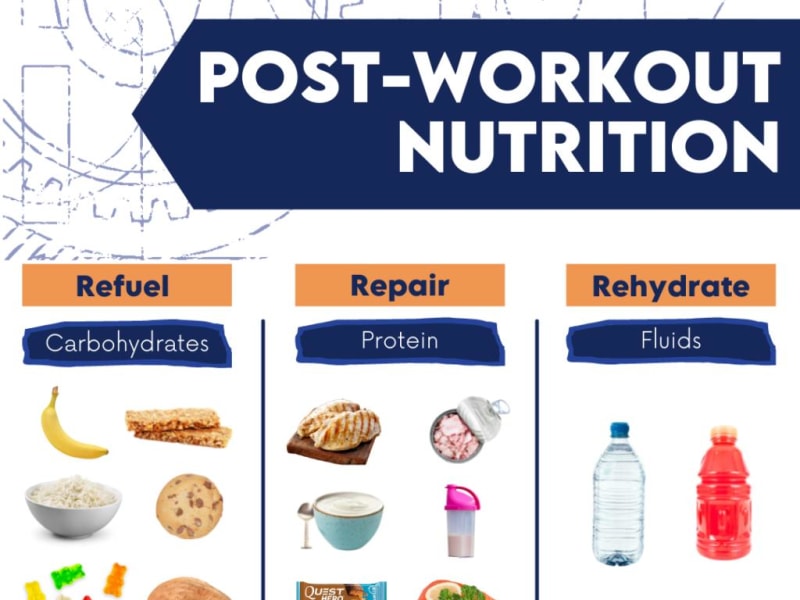
Pre- and post-workout nutrition are two of the most impactful yet frequently confused aspects of sports nutrition. The right foods at the right times can meaningfully improve performance, accelerate recovery, and maximise muscle adaptation — here's exactly what to eat and when.
April 14, 2026
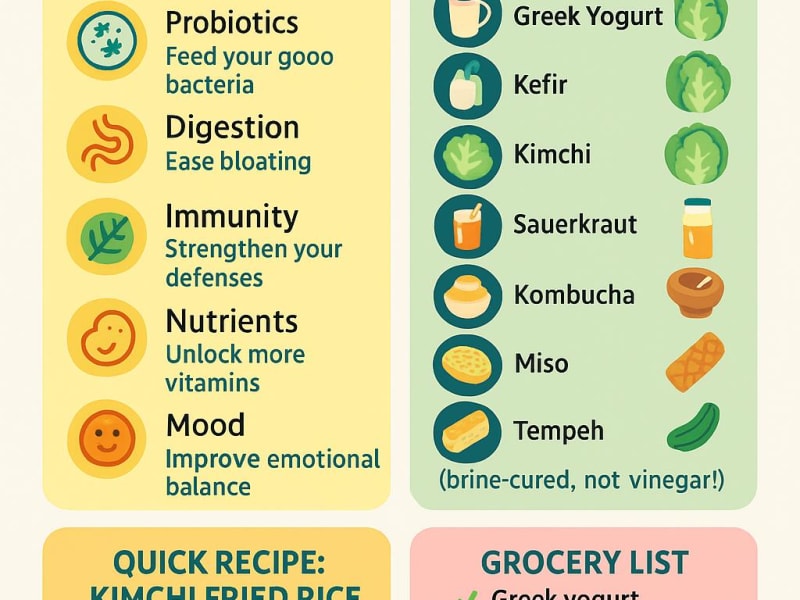
Fermented foods have nourished human gut health for millennia — and modern science is now confirming the mechanisms behind their benefits. From kefir to kimchi, this beginner's guide explains what fermented foods do in the body and how to incorporate them confidently.
April 14, 2026
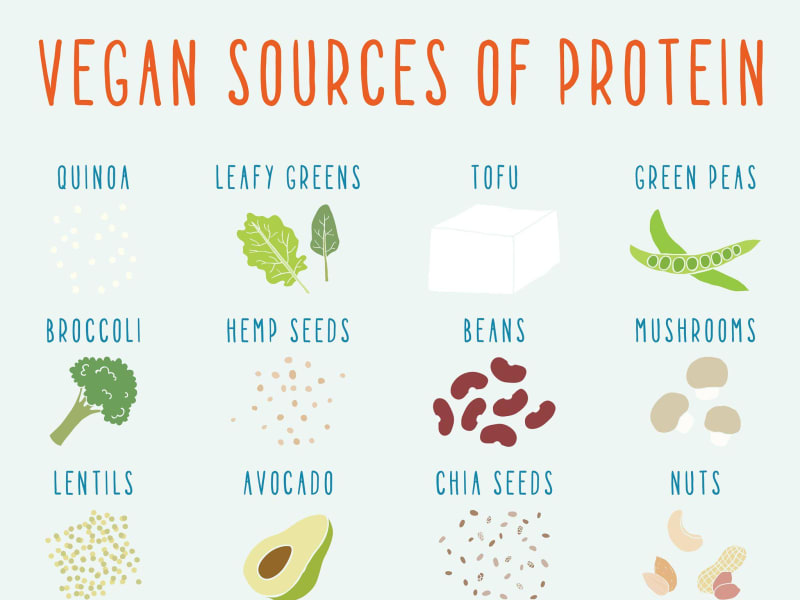
Plant proteins vary significantly in amino acid completeness and digestibility — and choosing the right ones matters for muscle maintenance, satiety, and overall health. This ranked guide separates the best plant protein sources from those that need strategic pairing.
April 14, 2026