Ice cream. Just the word can bring a smile to your face, right? The creamy texture, the sweet flavour, the sheer joy of a cold treat on a warm day. For many of us in India, ice cream isn't just a dessert; it's a memory, a celebration, a comfort. But for those watching their weight, managing health conditions like diabetes, or simply trying to eat a little cleaner, the thought of diving into a pint can feel like a guilty pleasure, or worse, a forbidden fruit. Enter Halo Top ice cream. You've probably seen it in the freezer aisle, with its distinctive colourful packaging and promises of being 'lower in calories,' 'higher in protein,' and 'a healthier way to indulge.' But is it really the guilt-free treat it claims to be? Let's break it down, Indian reader style!
What Exactly is Halo Top?
Halo Top started with a simple idea: to make ice cream that tasted good but had significantly fewer calories and more protein than traditional ice cream. Think of it as a lighter, often dairy-free or low-dairy, and sometimes keto-friendly alternative. They use a blend of ingredients to achieve that creamy texture and sweetness without packing in the usual sugar and fat found in your favourite Amul or Kwality Wall's tubs. They offer a vast array of flavours, from classic vanilla bean and chocolate to more adventurous options like birthday cake, mint chip, and even a spicy Mexican hot chocolate.
The Nutritional Lowdown: What's Inside the Pint?
This is where things get interesting. A standard pint of traditional ice cream can easily pack 1000-1500 calories, with a hefty dose of sugar and saturated fat. Halo Top, on the other hand, boasts pints that can range from as low as 280 calories to around 360 calories. That’s a massive difference! But how do they achieve this?
- Sweeteners: Instead of relying solely on sugar, Halo Top uses a combination of sugar and sugar alcohols like erythritol, as well as stevia. Erythritol is a type of carbohydrate that the body doesn't fully absorb, meaning it has fewer calories. Stevia is a natural, zero-calorie sweetener derived from a plant.
- Protein: They add milk protein concentrate or other protein sources to boost the protein content. This helps with satiety – that feeling of fullness – and contributes to the overall nutritional profile.
- Fibre: Some Halo Top varieties also include added fibre, which can aid digestion and further contribute to fullness.
- Fat Content: The fat content is significantly lower than traditional ice cream, often coming from sources like skim milk or coconut cream in their dairy-free versions.
So, on paper, Halo Top looks like a winner for those seeking a lighter dessert option. But let's not just look at the numbers. We need to consider how our bodies process these ingredients, especially in the context of a balanced Indian diet.
Halo Top vs. Traditional Indian Desserts
It's easy to compare Halo Top to a tub of Ben & Jerry's, but how does it stack up against our beloved Indian sweets? Let's take a few examples:
- Kheer/Payasam: A typical bowl of kheer can be loaded with sugar, ghee, and full-fat milk. While delicious, it's calorie-dense. A serving of Halo Top is likely lower in calories and sugar.
- Gulab Jamun: These deep-fried dough balls soaked in sugar syrup are a treat, but also very high in sugar and fat. Halo Top wins on the calorie and sugar front here, hands down.
- Lassi/Falooda: While a plain lassi can be healthy (especially if made with low-fat yogurt), sweetened versions with falooda can become quite sugary and calorie-rich. Halo Top might offer a lower-calorie alternative for a sweet craving.
However, it's important to remember that traditional Indian sweets, when consumed in moderation and as part of a balanced meal, can offer different nutritional benefits, like calcium from dairy or energy from carbohydrates. The key is always portion control and frequency.
Potential Downsides and Things to Watch Out For
While Halo Top offers a lighter option, it's not a magic bullet. Here are some points to consider:
- Sugar Alcohols: Erythritol and other sugar alcohols can cause digestive upset in some people. Symptoms can include bloating, gas, and even diarrhoea, especially if consumed in larger quantities. Listen to your body!
- Artificial Sweeteners: While stevia is natural, some people are sensitive to its taste or effects. The long-term effects of consuming large amounts of artificial sweeteners are still debated in the scientific community.
- Portion Control is Still Key: It's tempting to eat an entire pint of Halo Top because it's 'lower calorie.' However, overconsumption can still lead to excess calorie intake, and you might miss out on the satisfaction that comes from enjoying a smaller, more traditional treat mindfully.
- Nutrient Density: While it has protein and some fibre, Halo Top is not as nutrient-dense as whole foods. It's a treat, not a meal replacement. Don't rely on it for your essential vitamins and minerals.
- Dairy vs. Non-Dairy: The dairy-free versions use ingredients like almond milk or coconut cream. While often lower in calories, be mindful of the fat content, especially from coconut cream, and ensure you’re getting adequate calcium and vitamin D from other sources if you choose these options regularly.
Who is Halo Top Best For?
Halo Top can be a good option for:
- Individuals looking to reduce their overall calorie and sugar intake.
- People managing their weight who want a satisfying dessert without derailing their diet.
- Those with diabetes who are monitoring their carbohydrate and sugar intake closely (always consult your doctor or dietitian first!).
- Vegans or those with lactose intolerance looking for a dairy-free ice cream alternative.
When to Enjoy Halo Top Mindfully
Think of Halo Top as a tool in your healthy eating toolkit, not the whole toolbox. It's great for:
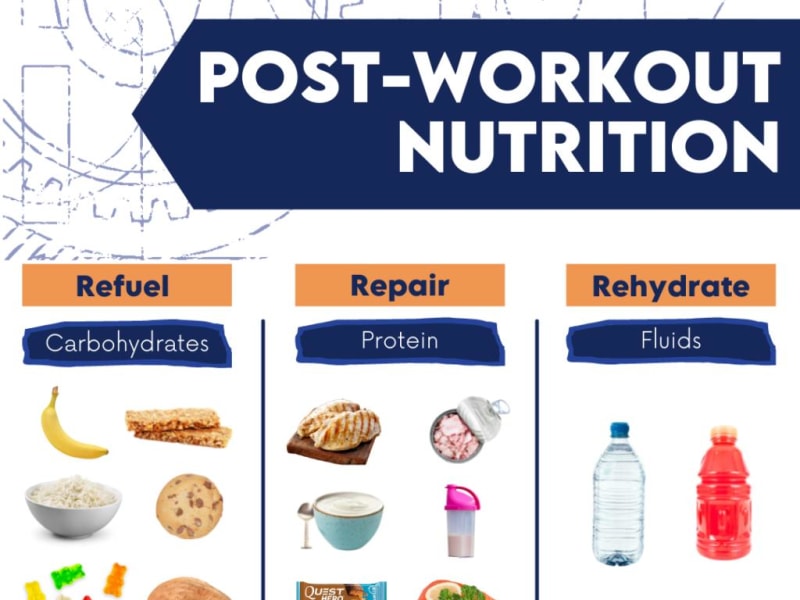
- A post-workout treat when you need some protein and a sweet fix.
- A dessert on a weeknight when you're craving something sweet but want to keep it light.
- A party option for guests with different dietary needs.
It's still a processed food, so moderation is your best friend. Enjoying a scoop or two, rather than the whole pint, is a great way to satisfy a craving without overdoing it.
The Verdict: Is it Worth It?
Halo Top ice cream offers a compelling alternative for those who love ice cream but are health-conscious. It successfully reduces calories and sugar while boosting protein, making it a potentially better choice than traditional ice cream for many. However, it's not a free pass to eat unlimited dessert. Be aware of the ingredients, listen to your body's response to sweeteners, and remember that portion control and a balanced diet are paramount.
For us in India, where we have such a rich tradition of delicious, often dairy-based, desserts, Halo Top can be a convenient option for a lighter indulgence. But don't forget the joy and cultural significance of our own traditional sweets! Perhaps the best approach is a balanced one: enjoy your favourite Indian desserts mindfully on occasion, and use options like Halo Top when you need a lighter, quick sweet fix. Ultimately, it's about making choices that align with your personal health goals and enjoying your food guilt-free, one scoop at a time.
Frequently Asked Questions (FAQ)
- Can people with diabetes eat Halo Top?
While Halo Top is lower in sugar and calories than regular ice cream, it still contains sweeteners. Individuals with diabetes should consult their doctor or a registered dietitian before incorporating it into their diet. Monitoring blood sugar levels is essential.
- Is Halo Top truly healthy?
Halo Top is a healthier *alternative* to traditional ice cream. It's lower in calories and sugar and higher in protein. However, it's still a processed dessert and not a whole food. Its healthiness depends on your overall diet and lifestyle.
- What are the side effects of eating Halo Top?
Some people may experience digestive issues like bloating or gas due to the sugar alcohols (like erythritol) used as sweeteners. Start with a small portion to see how your body reacts.
- Are the dairy-free Halo Top options good for everyone?
The dairy-free options are great for vegans or those with lactose intolerance. However, check the ingredients for allergens like nuts (almond milk) or if you are sensitive to coconut. They might also have a different fat profile than dairy versions.
- How does Halo Top compare to homemade Indian desserts?
Homemade Indian desserts can be controlled for sugar and fat. While Halo Top is convenient and lower in calories, traditional desserts often use natural ingredients and can be made healthier with mindful preparation (e.g., less sugar, low-fat milk).