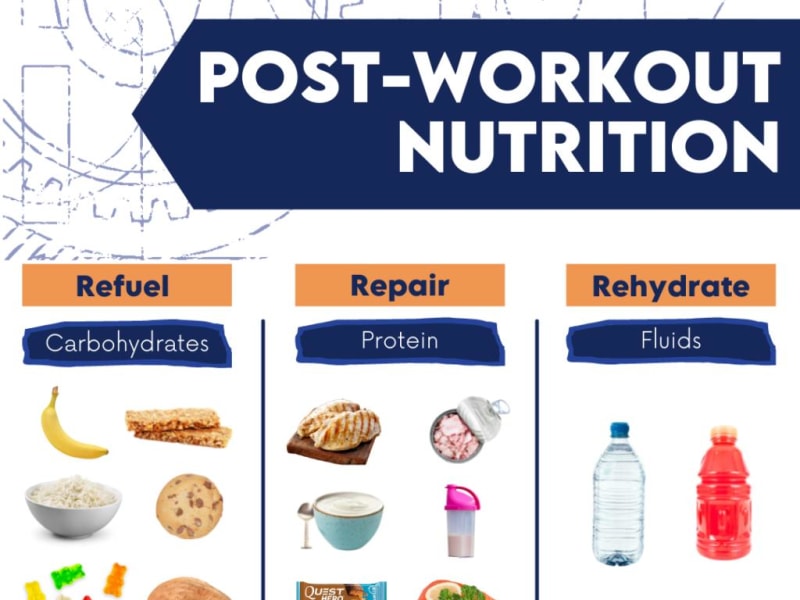
Understanding Glycogen: The Body's Energy Reserve Our bodies are complex machines that require a constant supply of energy to function optimally. This energy primarily comes from the food we eat, particularly carbohydrates. When we consume carbohydrates, our digestive system breaks them down into a simple sugar called glucose. Glucose is the preferred fuel source for all our cells, including those in our muscles, heart, lungs, and most importantly, our brain. In fact, the brain relies heavily on glucose, consuming about 20-25% of the total glucose our body needs. What is Glycogen? Glycogen is essentially the stored form of glucose. When we consume more carbohydrates than our body needs for immediate energy, the excess glucose is converted into glycogen and stored for later use. This process ensures that we have a readily available energy reserve, especially during periods when glucose levels in the blood might be low, such as between meals or during physical activity. How Glycogen Works The primary storage sites for glycogen in the body are the liver and the muscle cells. The liver plays a crucial role in maintaining stable blood glucose levels by releasing stored glycogen back into the bloodstream as glucose when needed. Muscle cells store glycogen to provide energy directly to the muscles during exercise or strenuous activity. When your body requires energy and there isn't enough glucose circulating in your blood, your body signals the liver and muscles to break down their glycogen stores. This stored glycogen is then converted back into glucose, which can be used to fuel your cells and meet your energy demands. This conversion process is relatively quick, making glycogen an efficient source of energy when immediate fuel is required. Glucose vs. Glycogen While both glucose and glycogen are related to energy, they serve different roles. Glucose is the simple sugar that circulates in our bloodstream and is immediately available for cells to use. It's the direct fuel. Glycogen, on the other hand, is a more complex molecule made up of many glucose units linked together. It's the storage form of glucose, like a reserve tank of fuel. The body strives to maintain a balance of glucose in the blood, known as blood sugar. When you eat carbohydrates, your blood sugar rises, and your body releases insulin to help cells absorb glucose or store it as glycogen. If your blood sugar drops, hormones like glucagon signal the liver to break down glycogen into glucose and release it into the bloodstream. The Role of Glycogen in Energy Metabolism Glycogen is vital for maintaining energy levels throughout the day and during physical exertion. Without adequate glycogen stores, your body might struggle to provide enough energy, potentially leading to fatigue and reduced physical and mental performance. Impact of Diet on Glycogen Stores The amount of glycogen your body can store is influenced by your diet. Consuming a diet rich in carbohydrates allows your body to replenish and maintain its glycogen stores effectively. Conversely, individuals following very low-carbohydrate diets, such as ketogenic diets, may find it more challenging to maintain optimal glycogen levels. While the body can still derive energy from protein and fat, a significant reduction in carbohydrate intake can impact the availability of glucose, which is crucial for brain function. Low Glycogen and Brain Function When the brain doesn't receive enough glucose, it can manifest in several ways. People on very low-carbohydrate diets might experience what is commonly referred to as 'brain fog,' difficulty concentrating, or changes in mood. This highlights the critical role of glucose, and by extension, glycogen stores, in supporting cognitive functions. Glycogen and Fat Storage It's a common misconception that excess glycogen directly turns into fat. While both are ways the body stores excess energy, they are distinct processes. After consuming carbohydrates, the body first uses glucose for immediate energy needs. If there's still glucose left, it replenishes glycogen stores. Only when both immediate energy needs and glycogen stores are met, and there is still excess glucose, will the body begin to convert and store it as fat. Fat storage is a more long-term energy reserve. The body can break down fat for energy, but this is a more complex and slower process compared to utilizing glucose or glycogen. Glycogen provides a readily accessible and quicker source of fuel. When to Consult a Doctor While understanding glycogen is important for general health, persistent issues with energy levels, unexplained fatigue, or concerns about your diet's impact on your energy reserves warrant a discussion with a healthcare professional. If you experience symptoms like: Chronic fatigue or lethargy Difficulty concentrating or 'brain fog' that doesn't resolve Sudden unexplained weight changes Concerns about managing blood sugar levels A doctor can help assess your overall health, dietary habits, and energy metabolism to provide personalized advice and rule out any underlying medical conditions. They can guide you on maintaining a balanced diet that supports adequate energy levels and overall well-being. Conclusion Glycogen is a fundamental component of our body's energy management system. It acts as a crucial reserve of glucose, ensuring that our cells, particularly our brain, have the fuel they need to function, even when we haven't eaten recently. Understanding how our body stores and utilizes glycogen can empower us to make informed dietary choices that support sustained energy levels and overall health. By maintaining a balanced diet and staying attuned to our body's signals, we can effectively manage our energy reserves and
In summary, timely diagnosis, evidence-based treatment, and prevention-focused care improve long-term health outcomes.