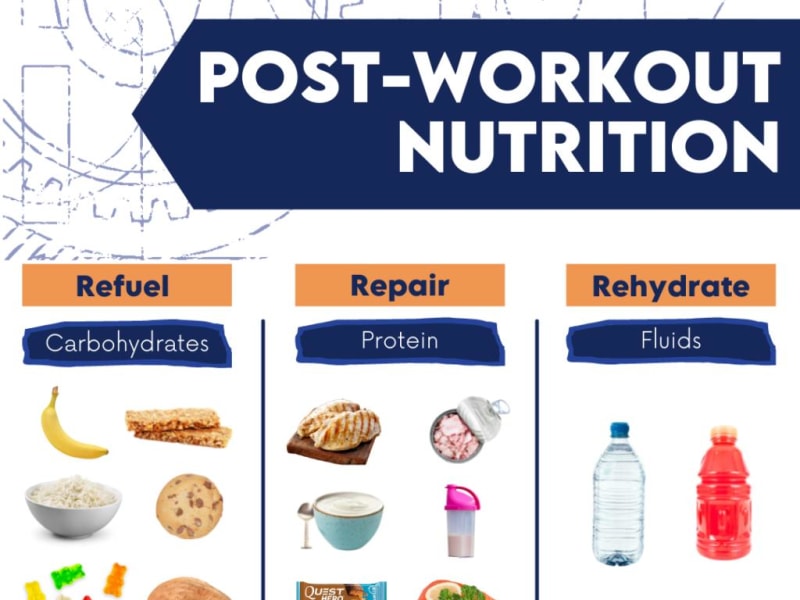
Understanding the Role of Vitamins and Supplements for Athletes Athletes, whether professional or amateur, push their bodies to the limit. This intense physical activity demands a higher intake of nutrients to support performance, recovery, and overall health. While a balanced diet is the cornerstone of good nutrition, certain vitamins and minerals might require supplementation for athletes to meet their increased needs. This article explores the key vitamins beneficial for athletes, focusing on their roles, dietary sources, and when supplements might be considered, particularly for the Indian context. Why Athletes Need More Nutrients Intense training and physical exertion lead to increased metabolic demands. Athletes use more energy, experience greater oxidative stress, and require more building blocks for muscle repair and growth. This heightened demand can sometimes outstrip the supply from a regular diet, making athletes more susceptible to deficiencies if not managed properly. Key Vitamins for Athletes Vitamin A: More Than Just Eye Health Vitamin A plays a crucial role in immune function, bone health, and vision. For athletes, it's particularly important because intense training can increase oxygen utilization, potentially raising the risk of vitamin A deficiency. Adequate vitamin A helps the body combat the increased oxidative stress associated with strenuous exercise. Dietary Sources: Leafy green vegetables (like spinach and kale), orange and yellow vegetables (carrots, sweet potatoes), eggs, dairy products, and fish. Fortified foods like snack bars and juices are also common in India. Supplementation: While generally available in many Indian foods, standalone vitamin A supplements should be approached with caution. High doses can be toxic. If considering a supplement, consult a healthcare professional and opt for products with moderate doses, preferably combined with carotenoids. Nordic Naturals Vitamin A + Carotenoids is an example of a product that includes carotenoids, which can be beneficial. B Vitamins: The Energy Producers The B vitamin complex (including B1, B2, B3, B5, B6, B7, B9, and B12) is vital for metabolism. These vitamins help convert carbohydrates into energy, a critical process for any athlete. They are essential for energy production, red blood cell formation, and nervous system function. Dietary Sources: Whole grains, lean meats, eggs, dairy products, legumes, nuts, seeds, and leafy green vegetables. Vitamin B12 is primarily found in animal products, making it a key nutrient for vegetarian and vegan athletes. Supplementation: Athletes, especially those with restrictive diets (like vegans or vegetarians), may benefit from B vitamin supplements. Studies suggest B vitamins can improve exercise endurance and reduce fatigue markers. Products like Klean Athlete’s B-Complex offer a comprehensive blend. It's important to choose supplements that provide over 100% of the Daily Value (DV) for several essential B vitamins. Always consult a doctor before starting B vitamin supplements. Vitamin D: The Sunshine Vitamin Vitamin D is crucial for calcium absorption, bone health, immune function, and muscle function. Athletes, particularly those training indoors or in regions with less sunlight, might be at risk of deficiency. Strong bones are essential to withstand the impact of training, and adequate vitamin D supports this. Dietary Sources: Fatty fish (like salmon and mackerel), fortified milk and cereals, egg yolks, and sunlight exposure. While sunlight is a primary source, its availability can be limited by lifestyle and geographical factors. Supplementation: Vitamin D supplements are often recommended for athletes, especially during winter months or for those with limited sun exposure. A typical dose might be around 250 mcg (1000 IU) per day, taken up to 5 days a week. Ensure the supplement is third-party tested for purity. Vitamin E: The Antioxidant Protector Vitamin E is a powerful antioxidant that helps protect cells from damage caused by free radicals, which are produced in higher amounts during intense exercise. It supports immune function and may play a role in reducing exercise-induced inflammation. Dietary Sources: Nuts (almonds, peanuts), seeds (sunflower seeds), vegetable oils, spinach, and broccoli. Supplementation: While deficiency is rare, athletes engaged in very high-intensity training might consider supplementation if dietary intake is insufficient. However, it's less commonly recommended than B or D vitamins. Consult a healthcare professional. Other Important Nutrients Iron Iron is essential for transporting oxygen in the blood. Athletes, especially female athletes and endurance athletes, are at higher risk of iron deficiency (anemia), which can significantly impair performance due to reduced oxygen delivery to muscles. Dietary Sources: Red meat, poultry, fish, beans, lentils, spinach, and fortified cereals. Consuming vitamin C-rich foods alongside iron sources enhances absorption. Supplementation: Iron supplements should only be taken if a deficiency is diagnosed by a doctor, as excessive iron can be harmful. Calcium Crucial for bone health, muscle contraction, and nerve function. Adequate calcium intake is vital for preventing stress fractures and maintaining overall skeletal integrity. Dietary Sources: Dairy products (milk, yogurt, cheese), fortified plant-based milks, leafy greens (kale, broccoli), and tofu. Supplementation: Recommended for athletes who don't meet their daily calcium needs through diet, especially those who are lactose intolerant or follow vegan diets. Magnesium Involved in over 300 biochemical reactions in the body, including energy production, muscle and nerve function, and protein synthesis. Athletes may lose magnesium through sweat. Dietary Sources: Whole grains, leafy green vegetables, nuts, seeds, and dark chocolate. Supplementation: May be beneficial for athletes experiencing muscle cramps or fatigue, but should be discussed with a healthcare provider. When to Consider Supplements Supplements should not replace a healthy diet. They are intended to supplement nutritional intake when dietary sources are insufficient or when specific needs are increased due to intense training.
In summary, timely diagnosis, evidence-based treatment, and prevention-focused care improve long-term health outcomes.