

Free Helpline
We are here to assist you.
Health Advisor
+91-8877772277Available 7 days a week
10:00 AM – 6:00 PM to support you with urgent concerns and guide you toward the right care.

We are here to assist you.
Health Advisor
+91-8877772277Available 7 days a week
10:00 AM – 6:00 PM to support you with urgent concerns and guide you toward the right care.
Explore the potential benefits of fish oil for hair growth and thinning. Learn about omega-3s, how to use fish oil, and when to consult a doctor.

Have you noticed more hair strands on your comb or pillow lately? Many of us have experienced the worry that comes with thinning hair. While there are many reasons for hair loss, from stress to genetics, a surprising natural remedy is often discussed: fish oil. But does it really work? Let's explore what science and experts say about using fish oil for healthier, potentially thicker hair.
Fish oil is essentially an oil extracted from the tissues of oily fish. Think of fish like salmon, mackerel, and sardines. It's a popular dietary supplement because it's packed with omega-3 fatty acids, specifically EPA (eicosapentaenoic acid) and DHA (docosahexaenoic acid). Our bodies need these omega-3s to function properly, but we can't produce them on our own. This means we have to get them from our diet or supplements. Beyond omega-3s, fish oil also contains other beneficial fats and essential vitamins.
Omega-3 fatty acids are like the unsung heroes of our health. They play a vital role in many bodily functions. While research has shown mixed results for certain health conditions, omega-3s are generally recognized for their potential benefits in:
It's important to remember that studies have shown inconclusive or negative results for other conditions, so it's not a miracle cure for everything. However, their role in reducing inflammation is particularly interesting when we consider hair health.
Many people turn to fish oil or fatty fish in their diet hoping to promote hair growth and combat hair loss. The theory is that the omega-3 fatty acids found in fish oil might offer several benefits for your scalp and hair:
While these benefits sound promising, it's crucial to understand that direct, large-scale clinical research specifically on fish oil and human hair growth is still limited. Much of the evidence comes from smaller studies or is based on the known benefits of omega-3s for overall health and inflammation.
Consider Priya, a 35-year-old marketing manager in Mumbai. Over the past year, she's noticed her hair becoming much thinner, especially around her temples. Her stress levels at work are high, and she often skips meals, relying on quick, less nutritious options. She's tried various shampoos but hasn't seen much improvement. Her mother suggested she try fish oil supplements, mentioning her own cousin saw good results. Priya is skeptical but willing to try anything after feeling self-conscious about her thinning hair during client meetings.
There are a couple of main ways to incorporate fish oil into your routine for potential hair benefits:
The most natural way to get your omega-3s is by including fatty fish in your meals a couple of times a week. Excellent choices readily available in India include:
Cooking methods like baking, grilling, or steaming are best to preserve the nutrients.
For many, taking a fish oil supplement is a more convenient and consistent way to ensure they get enough omega-3s. These are widely available over-the-counter. However, it's absolutely essential to:
While generally considered safe for most people when taken as recommended, fish oil supplements can have some side effects. These might include:
More importantly, fish oil can interact with certain medications. It can thin the blood, so if you are taking blood thinners (like warfarin or aspirin), or have a bleeding disorder, you must inform your doctor. Supplements containing Vitamin E can also interact with fish oil. Always be open with your doctor about everything you are taking.
Some people also advocate for applying fish oil directly to the scalp. The idea is that it can add shine and improve hair health externally. However, be warned: fish oil has a distinct, and often unpleasant, odor that might linger in your hair. The scientific evidence supporting topical application for hair growth is even less robust than for oral supplements. If you choose to try it, do a patch test first and be prepared for the smell.
While fish oil might offer some benefits, it's not a substitute for professional medical advice. You should consult a doctor if:
Fish oil, rich in omega-3 fatty acids, shows potential for supporting hair health by nourishing follicles and reducing scalp inflammation. While research is ongoing and not conclusive, incorporating fatty fish into your diet or taking supplements (after consulting your doctor) could be a beneficial addition to your hair care routine. Remember, a healthy diet, stress management, and proper hair care practices are fundamental for strong, healthy hair.
Results can vary greatly from person to person. Some might notice subtle improvements in hair texture or reduced shedding within a few weeks, while others may need several months to see more noticeable changes in hair growth. Consistency is key.
There is no scientific evidence to suggest that fish oil causes hair loss. In fact, it is often taken to help prevent or reduce hair loss.
Look for supplements that provide a good balance of EPA and DHA. The overall quality of the supplement matters, so choose reputable brands. Always discuss the best option for you with your healthcare provider.
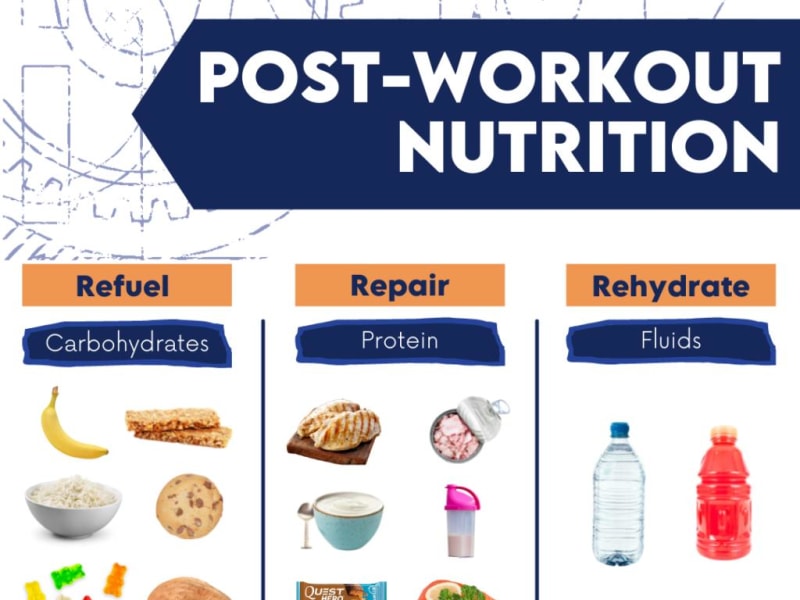
Pre- and post-workout nutrition are two of the most impactful yet frequently confused aspects of sports nutrition. The right foods at the right times can meaningfully improve performance, accelerate recovery, and maximise muscle adaptation — here's exactly what to eat and when.
April 14, 2026
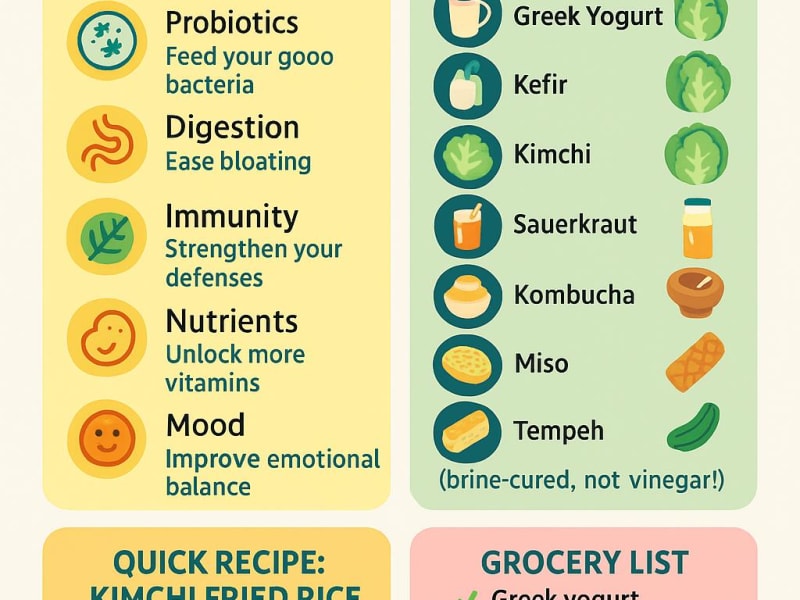
Fermented foods have nourished human gut health for millennia — and modern science is now confirming the mechanisms behind their benefits. From kefir to kimchi, this beginner's guide explains what fermented foods do in the body and how to incorporate them confidently.
April 14, 2026
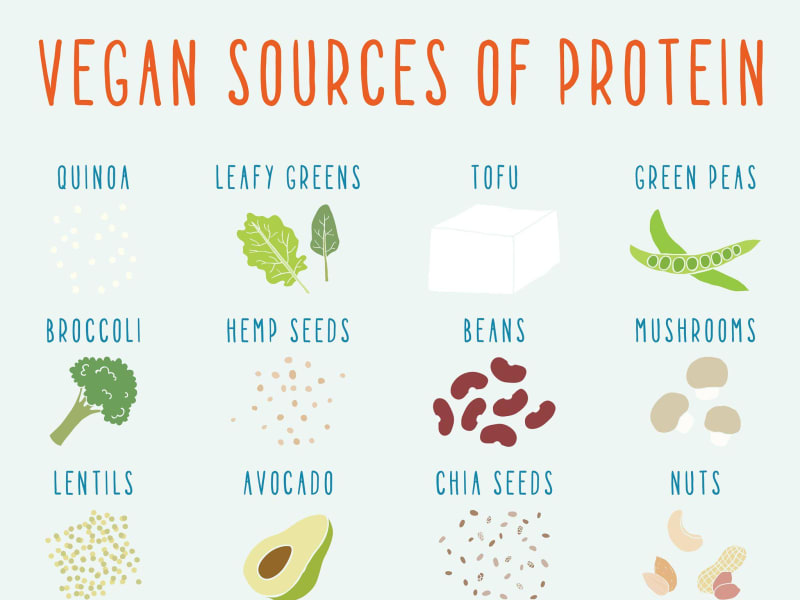
Plant proteins vary significantly in amino acid completeness and digestibility — and choosing the right ones matters for muscle maintenance, satiety, and overall health. This ranked guide separates the best plant protein sources from those that need strategic pairing.
April 14, 2026