Introduction: The Carnivore Diet and Muscle Building
The carnivore diet, an eating plan that consists exclusively of animal products, has gained significant attention in recent years. Proponents often cite benefits such as weight loss, improved digestion, and reduced inflammation. However, a common question arises for those interested in fitness and strength: Can you build muscle effectively on a carnivore diet? This comprehensive guide delves into the science behind muscle growth, the nutritional profile of the carnivore diet, and practical strategies for those looking to gain strength and size while adhering to an all-meat regimen. We will explore the potential advantages, the inherent challenges, and essential considerations to ensure both muscle development and overall health.
Building muscle is a complex physiological process that requires a delicate balance of caloric intake, macronutrient ratios, consistent resistance training, adequate rest, and a favorable hormonal environment. While conventional wisdom often emphasizes a diverse diet rich in carbohydrates, proteins, and fats, the carnivore diet drastically alters this traditional approach by eliminating plant-based foods entirely. This article will dissect whether a diet devoid of carbohydrates and plant-derived micronutrients can still provide the necessary building blocks and energy for optimal muscle protein synthesis and recovery.
Understanding Muscle Growth: The Core Principles
Before assessing the carnivore diet's suitability, it's crucial to understand the fundamental principles of muscle hypertrophy (growth). Muscle building is not merely about lifting weights; it's a sophisticated interplay of nutrition, training, and recovery.
1. Protein Synthesis and Breakdown
- Muscle Protein Synthesis (MPS): This is the process by which your body creates new muscle proteins. It's stimulated by resistance training and the consumption of adequate protein, especially those rich in essential amino acids (EAAs), particularly leucine.
- Muscle Protein Breakdown (MPB): This is the natural process where muscle proteins are broken down. To build muscle, MPS must exceed MPB over time.
A continuous supply of high-quality protein is paramount to tip the balance towards MPS. Animal proteins are considered complete proteins, meaning they contain all nine essential amino acids necessary for muscle repair and growth.
2. Caloric Surplus
To build muscle, your body generally needs to be in a caloric surplus, meaning you consume more calories than you burn. These extra calories provide the energy required for the metabolic processes involved in muscle repair and growth. Without sufficient energy, the body may catabolize muscle tissue for fuel, hindering progress.
3. Resistance Training
Progressive overload through resistance training is the primary stimulus for muscle growth. This involves gradually increasing the demands placed on your muscles over time, whether through heavier weights, more repetitions, increased volume, or improved form. Training creates micro-tears in muscle fibers, which the body then repairs and rebuilds stronger and larger, provided the nutritional and rest conditions are met.
4. Adequate Rest and Recovery
Muscle growth primarily occurs during periods of rest, not during the workout itself. Sufficient sleep and recovery time between training sessions are vital for hormonal regulation, muscle repair, and energy replenishment.
5. Hormonal Environment
Hormones such as testosterone, growth hormone, and insulin-like growth factor 1 (IGF-1) play crucial roles in regulating muscle protein synthesis and overall anabolic processes. A healthy diet and lifestyle contribute to an optimal hormonal environment for muscle growth.
The Carnivore Diet Explained
The carnivore diet is an elimination diet that restricts all food groups except for animal products. While there are variations, the general guidelines include:
- Allowed Foods: Meat (beef, pork, lamb, poultry, organ meats), fish, eggs, and often dairy (butter, cheese, heavy cream, sometimes yogurt, depending on individual tolerance).
- Excluded Foods: All plant-based foods, including fruits, vegetables, grains, legumes, nuts, seeds, and refined sugars.
- Beverages: Water, coffee, and tea (though some strict adherents may avoid coffee/tea due to plant compounds).
The diet is inherently high in protein and fat, with virtually no carbohydrates. This contrasts sharply with most conventional muscle-building diets that include a significant carbohydrate component for energy and glycogen replenishment.
How the Carnivore Diet Supports Muscle Building
At first glance, the carnivore diet appears to offer several advantages for muscle development, primarily due to its macronutrient composition.
1. Abundant High-Quality Protein Intake
The carnivore diet is intrinsically rich in protein, a cornerstone for muscle growth. Animal proteins are complete proteins, meaning they contain all nine essential amino acids that the body cannot synthesize on its own. These amino acids are crucial for:
- Muscle Protein Synthesis (MPS): The building blocks for repairing and growing muscle tissue.
- Recovery: Aiding in the repair of muscle damage caused by resistance training.
- Satiety: Protein is highly satiating, which can help manage appetite and prevent overeating, or conversely, ensure adequate caloric intake without feeling overly full from less nutrient-dense foods.
Consuming high amounts of protein, typically 1.6-2.2 grams per kilogram of body weight, is easily achievable on a carnivore diet, often exceeding recommendations for optimal muscle growth.
2. High Fat for Energy and Hormone Production
With carbohydrates largely absent, fat becomes the primary energy source on a carnivore diet. This can be beneficial in several ways:
- Sustained Energy: Fats provide a dense and stable source of energy, which can be advantageous for endurance and preventing energy crashes often associated with carbohydrate fluctuations.
- Hormone Production: Dietary fats, particularly saturated and monounsaturated fats found in animal products, are essential for the production of hormones vital for muscle growth, such as testosterone. Adequate fat intake supports overall endocrine health.
- Caloric Density: Fat is calorie-dense, making it easier to achieve a caloric surplus necessary for muscle gain without consuming excessive volumes of food.
3. Potential for Satiety and Adherence
The combination of high protein and fat leads to significant satiety. This can be a double-edged sword: it can prevent unhealthy snacking and overeating, but it can also make it challenging to consume enough calories for a surplus if one isn't mindful. However, for individuals who struggle with controlling appetite on conventional diets, the satiating nature of the carnivore diet might improve adherence.
4. Reduced Inflammation (Anecdotal)
Some proponents of the carnivore diet report reduced inflammation, which could theoretically aid in recovery and overall well-being, indirectly supporting muscle growth. The mechanism is believed to be the elimination of potential plant toxins, anti-nutrients, and inflammatory compounds found in certain plant foods. However, scientific evidence specifically linking the carnivore diet to reduced inflammation for muscle building is limited and largely anecdotal.
Challenges and Considerations for Muscle Building on Carnivore
While the carnivore diet offers protein and fat, its restrictive nature presents significant challenges for optimal muscle building and long-term health.
1. Lack of Carbohydrates: The Energy Conundrum
Carbohydrates are the body's preferred and most efficient energy source, especially for high-intensity activities like resistance training. They are stored as glycogen in muscles and the liver.
- Glycogen Depletion: On a carnivore diet, muscle glycogen stores will be significantly depleted. This can lead to:
- Reduced Performance: Lower energy levels, decreased strength, and diminished endurance during workouts.
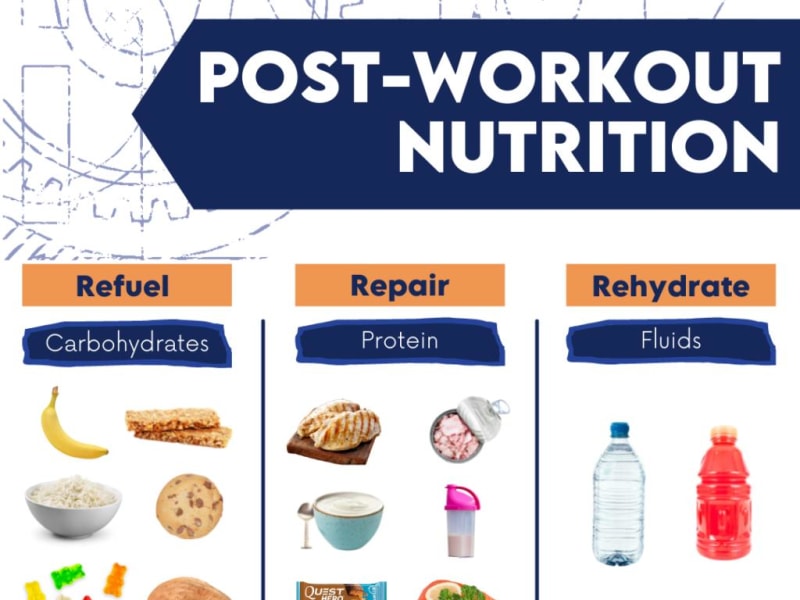
- Impaired Recovery: Glycogen replenishment is crucial for post-workout recovery. Without carbohydrates, this process is slower and less efficient.