

Free Helpline
We are here to assist you.
Health Advisor
+91-8877772277Available 7 days a week
10:00 AM – 6:00 PM to support you with urgent concerns and guide you toward the right care.

We are here to assist you.
Health Advisor
+91-8877772277Available 7 days a week
10:00 AM – 6:00 PM to support you with urgent concerns and guide you toward the right care.
Explore the science behind biotin for hair growth. Learn about its role, dosage, food sources, and whether supplements are right for you, with insights for the Indian context.

Have you noticed your hair thinning or not growing as fast as you’d like? Many of us in India are looking for that perfect solution to thicker, stronger, and longer locks. We hear about biotin, often touted as a miracle vitamin for hair health. But is it just hype, or does biotin truly work wonders for hair growth? Let’s dive deep into what science says and what you need to know, especially for us here in India.
Biotin, also known as Vitamin H, is a water-soluble vitamin belonging to the B-vitamin family. Think of it as a tiny but mighty worker in your body. It plays a vital role in converting the food we eat – carbohydrates, fats, and proteins – into energy that our cells can use. Beyond energy production, biotin is a star player in maintaining the health of our hair, skin, and nails. It's a fundamental building block, especially for keratin, the protein that forms the very structure of our hair.
The good news is that a true biotin deficiency is quite rare. For most of us, the biotin we get from our daily diet is perfectly sufficient to reap its health benefits. However, if a deficiency does occur, it can manifest as hair loss or a distinctive red, scaly rash. This is why understanding your diet and its biotin content is important.
This is where things get interesting! While we know biotin is essential for keratin production, the exact mechanism by which it promotes hair growth is still being researched. Scientists are not entirely sure about its specific role beyond supporting the infrastructure of hair. However, the available research, though limited, offers some promising insights.
One notable study from 2015 involved women experiencing hair thinning. They were given an oral supplement containing marine protein, including biotin, or a placebo. After 90 days, the group taking the supplement showed significant improvements in hair growth in thinning areas and experienced less hair shedding compared to the placebo group. This was supported by similar findings from a 2012 study by the same researcher, where participants reported better hair growth and quality after 90 and 180 days.
These studies suggest a potential benefit, especially for those experiencing hair thinning. However, it’s important to remember that these studies often use specific formulations and dosages, and individual results can vary.
Because biotin deficiency is uncommon, the FDA (Food and Drug Administration in the US) hasn’t set a Recommended Dietary Allowance (RDA). However, experts have provided general guidelines. For individuals aged 10 years and older, a daily intake of 30 to 100 micrograms (mcg) is often recommended. For younger children, the amounts are lower:
It’s worth noting that pregnant or breastfeeding women might require higher levels. Always consult your doctor about the appropriate daily intake for your specific needs. They can guide you on safely increasing your dosage if necessary.
You can increase your biotin intake through your diet or by taking supplements. Fortunately, many delicious Indian foods are rich in biotin!
Incorporating these foods into your daily meals can significantly contribute to your biotin intake. Think of a breakfast with eggs and spinach, a salad with nuts and seeds, or a snack of banana or avocado.
If you’re considering a biotin supplement, look for reputable brands. Supplements are available in various forms, including capsules, tablets, and gummies. The dosage in supplements can range widely, so it's essential to follow the product's instructions or your doctor's advice.
Biotin is generally considered safe, even in higher doses, as it’s a water-soluble vitamin, meaning your body flushes out any excess. However, very high doses might rarely cause issues like digestive upset (nausea, cramps) or skin reactions. A more significant concern with high-dose biotin supplements is their potential to interfere with certain lab tests, leading to inaccurate results. Always inform your doctor if you are taking biotin supplements, especially before any blood work.
While biotin is beneficial, it’s not a magic bullet for everyone experiencing hair loss. You should consult a doctor if:
A doctor can help diagnose the root cause of your hair issues, which could be anything from stress, hormonal imbalances, nutritional deficiencies, or medical conditions. They can then recommend the most appropriate treatment plan for you.
Biotin definitely plays a role in maintaining healthy hair, and for some individuals, particularly those with thinning hair, supplements might offer benefits. However, it’s not a guaranteed cure for all hair problems. A balanced diet rich in biotin-containing foods is the first and best step. If you’re considering supplements, start with a moderate dose and always discuss it with your healthcare provider. Listen to your body, explore the root causes of your hair concerns, and make informed choices for healthy, beautiful hair!
A1: While biotin can help strengthen hair and reduce shedding over time, it’s unlikely to stop hair fall immediately. Hair growth is a slow process, and results from biotin supplements typically take a few months to become noticeable.
A2: Absolutely! As mentioned, incorporating biotin-rich foods like eggs, nuts, seeds, sweet potatoes, spinach, and bananas into your diet is a fantastic natural way to boost your intake.
A3: Biotin supports the growth of new, healthy hair by strengthening the keratin structure. It might help improve the overall health and texture of existing hair over time, but it cannot reverse severe damage from chemical treatments or heat styling. Healthy hair practices alongside biotin intake are key.
A4: For most people, taking biotin supplements even without a diagnosed deficiency is generally considered safe, as it’s water-soluble. However, extremely high doses aren't necessarily better and could potentially interfere with lab tests. It’s always best to consult your doctor before starting any new supplement regimen.
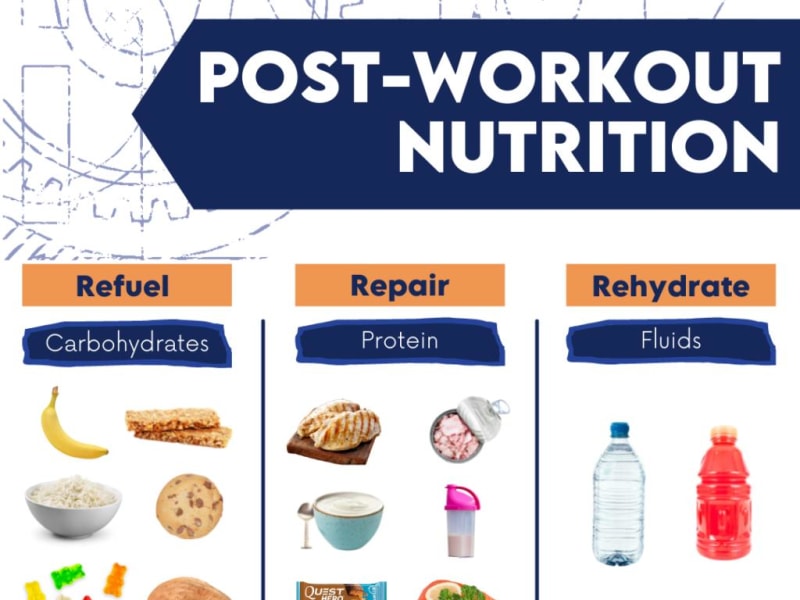
Pre- and post-workout nutrition are two of the most impactful yet frequently confused aspects of sports nutrition. The right foods at the right times can meaningfully improve performance, accelerate recovery, and maximise muscle adaptation — here's exactly what to eat and when.
April 14, 2026
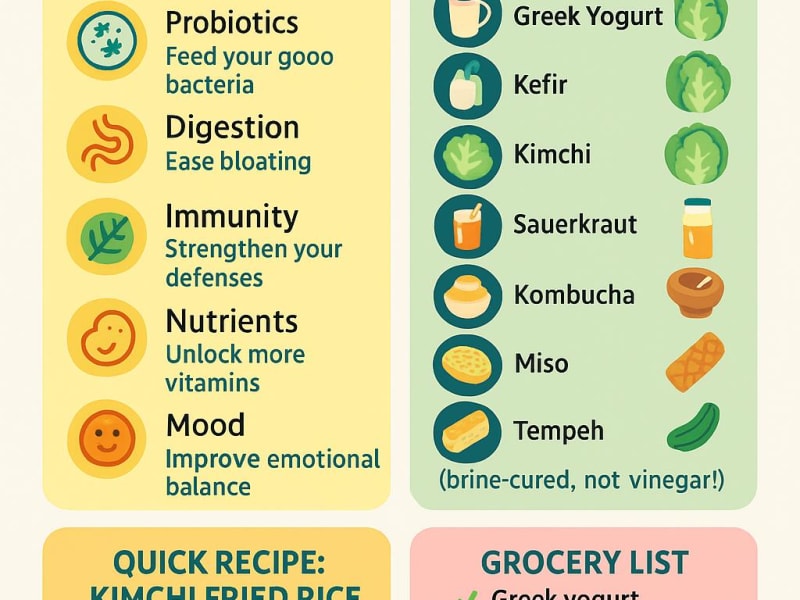
Fermented foods have nourished human gut health for millennia — and modern science is now confirming the mechanisms behind their benefits. From kefir to kimchi, this beginner's guide explains what fermented foods do in the body and how to incorporate them confidently.
April 14, 2026
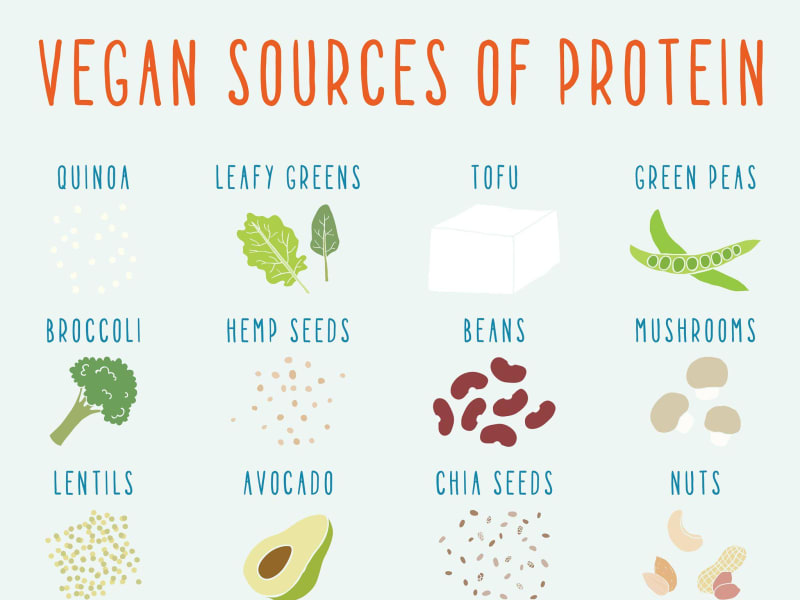
Plant proteins vary significantly in amino acid completeness and digestibility — and choosing the right ones matters for muscle maintenance, satiety, and overall health. This ranked guide separates the best plant protein sources from those that need strategic pairing.
April 14, 2026