

Free Helpline
We are here to assist you.
Health Advisor
+91-8877772277Available 7 days a week
10:00 AM – 6:00 PM to support you with urgent concerns and guide you toward the right care.

We are here to assist you.
Health Advisor
+91-8877772277Available 7 days a week
10:00 AM – 6:00 PM to support you with urgent concerns and guide you toward the right care.
Biotin supplements can significantly interfere with thyroid function tests (TSH, T3, T4), leading to inaccurate results and potential misdiagnosis of hypothyroidism or hyperthyroidism. Learn how biotin affects these crucial lab tests, why it matters, and how to prepare for your thyroid blood draw to ensure accurate readings. Always inform your doctor about all supplements you take.
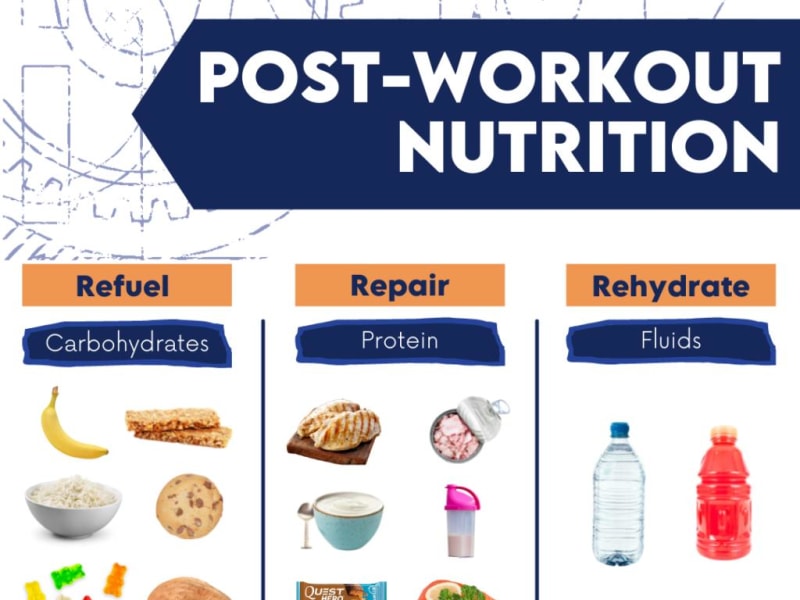
Pre- and post-workout nutrition are two of the most impactful yet frequently confused aspects of sports nutrition. The right foods at the right times can meaningfully improve performance, accelerate recovery, and maximise muscle adaptation — here's exactly what to eat and when.
April 14, 2026
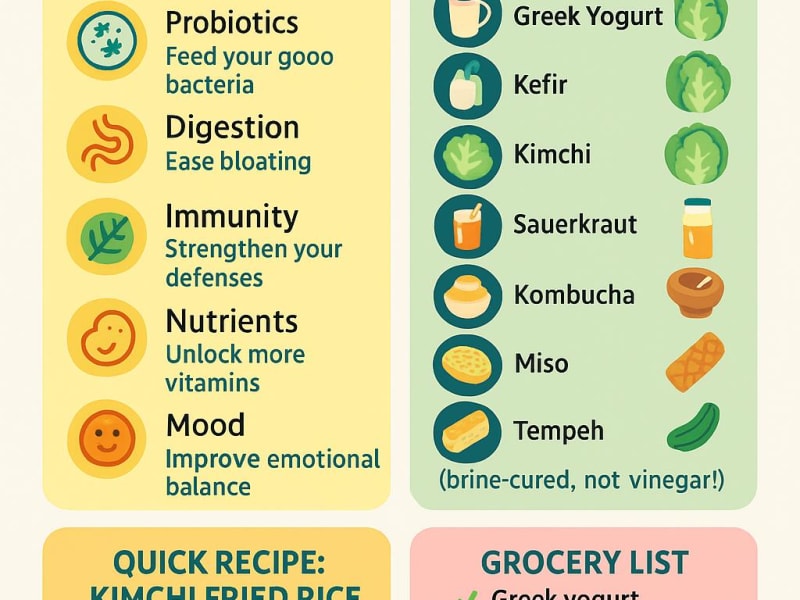
Fermented foods have nourished human gut health for millennia — and modern science is now confirming the mechanisms behind their benefits. From kefir to kimchi, this beginner's guide explains what fermented foods do in the body and how to incorporate them confidently.
April 14, 2026

In today's health-conscious world, many people turn to dietary supplements to support their overall well-being, from boosting immunity to improving skin, hair, and nail health. Biotin, also known as vitamin B7, is a popular choice for its purported benefits in these areas. However, what many don't realize is that this seemingly innocuous supplement can have a significant and often misleading impact on a crucial set of medical tests: thyroid function tests. This article delves into the intricate relationship between biotin and thyroid lab results, explaining why understanding this connection is vital for accurate diagnosis and effective management of thyroid conditions.
Thyroid disorders are incredibly common, affecting millions worldwide. Conditions like hypothyroidism (underactive thyroid) and hyperthyroidism (overactive thyroid) can profoundly impact metabolism, energy levels, mood, and overall quality of life. Accurate diagnosis relies heavily on blood tests that measure various thyroid hormones. When these tests are skewed by external factors like biotin, the risk of misdiagnosis—leading to either unnecessary treatment or delayed appropriate care—becomes a serious concern. Our aim is to equip you with the knowledge needed to navigate this potential pitfall, ensuring your path to thyroid health is clear and informed.
Biotin, or vitamin B7, is one of the eight B vitamins, all of which are essential for various metabolic processes. It's a water-soluble vitamin, meaning your body doesn't store it, and any excess is typically excreted in urine. Biotin plays a crucial role as a coenzyme in several carboxylase enzymes, which are involved in:
These processes are fundamental to energy production and cellular function throughout the body.
Biotin is naturally present in a variety of foods, including:
The recommended daily intake of biotin for adults is typically around 30 micrograms (mcg). Most people get sufficient biotin from their diet, and true biotin deficiency is rare in healthy individuals. However, certain conditions, such as genetic disorders affecting biotin metabolism, long-term antibiotic use, excessive consumption of raw egg whites (which contain avidin, a protein that binds to biotin), or prolonged parenteral nutrition, can lead to deficiency.
Despite the rarity of true deficiency, high-dose biotin supplements (often ranging from 1,000 mcg to 10,000 mcg or even higher, up to 300,000 mcg) have become increasingly popular. These supplements are often marketed for improving hair strength, skin complexion, and nail integrity, though scientific evidence for these high-dose benefits in healthy individuals is often limited or inconclusive.
The thyroid is a small, butterfly-shaped gland located at the base of your neck, just below the Adam's apple. Despite its size, it plays a monumental role in regulating numerous bodily functions through the hormones it produces: thyroxine (T4) and triiodothyronine (T3). These hormones are essential for:
The thyroid's activity is controlled by the pituitary gland, a pea-sized gland at the base of your brain, which produces Thyroid-Stimulating Hormone (TSH). TSH acts as a messenger, telling the thyroid gland how much T3 and T4 to produce.
When a doctor suspects a thyroid disorder, they typically order a panel of blood tests. The most common and crucial ones include:
Accurate interpretation of these tests is paramount for correct diagnosis and subsequent treatment. This is where biotin can become a silent saboteur.
The reason biotin can skew thyroid lab results lies in the technology used by many diagnostic laboratories. Most modern thyroid tests, particularly TSH, T3, and T4 assays, employ a method called immunoassay (specifically, sandwich immunoassays or competitive immunoassays). These tests rely on the interaction between antibodies and antigens to detect and quantify specific substances in your blood.
Here's how biotin plays a role:
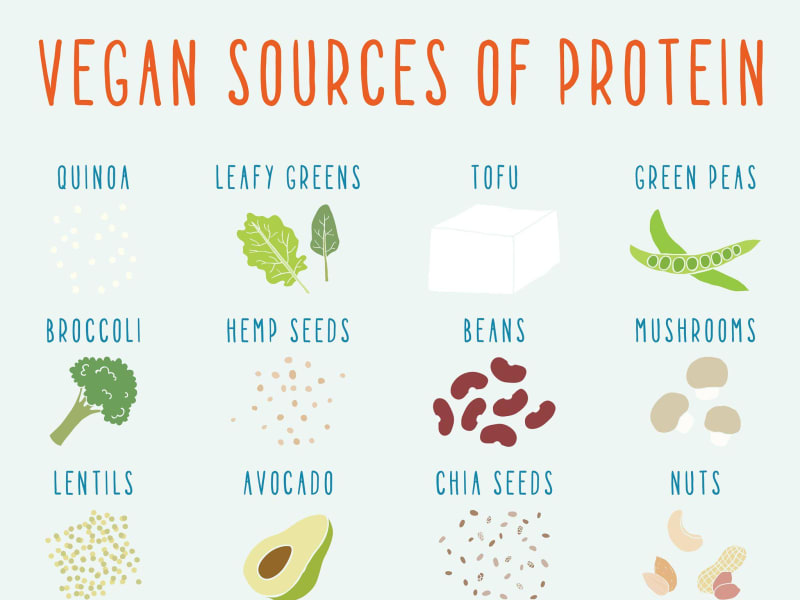
Plant proteins vary significantly in amino acid completeness and digestibility — and choosing the right ones matters for muscle maintenance, satiety, and overall health. This ranked guide separates the best plant protein sources from those that need strategic pairing.
April 14, 2026