What is Bee Pollen?
Bee pollen is a natural substance created by honey bees from flower pollen, nectar, enzymes, honey, wax, and bee secretions. It's essentially the food of the honey bee, providing them with all the nutrients they need to thrive. For centuries, bee pollen has been used in traditional medicine across various cultures for its potential health-promoting properties. It's a complex mixture, with its exact composition varying depending on the plant sources and geographical location. This natural powerhouse is rich in a wide array of nutrients, including proteins, amino acids, vitamins, minerals, enzymes, and antioxidants, making it a true superfood.
Nutritional Profile of Bee Pollen
The nutritional value of bee pollen is impressive. While the exact amounts can vary, a typical serving (around 1 tablespoon or 7.5 grams) contains:
- Proteins and Amino Acids: Bee pollen is a complete protein source, containing all essential amino acids. It can be up to 40% protein by dry weight.
- Vitamins: It's a good source of B vitamins (like B1, B2, B3, B5, B6, and folic acid), vitamin C, and other fat-soluble vitamins like A, D, and E.
- Minerals: Bee pollen contains a variety of minerals, including potassium, calcium, magnesium, phosphorus, iron, zinc, selenium, and copper.
- Antioxidants: It's packed with flavonoids, carotenoids, and other antioxidant compounds that help protect the body from oxidative stress and damage caused by free radicals.
- Enzymes and Coenzymes: These play crucial roles in various metabolic processes within the body.
- Carbohydrates and Lipids: Primarily in the form of simple sugars and fatty acids.
Potential Health Benefits of Bee Pollen
Research into bee pollen is ongoing, but several studies suggest a range of potential health benefits:
1. Rich in Antioxidants
Bee pollen is loaded with antioxidants, including flavonoids, carotenoids, and phenolic compounds. These compounds help neutralize harmful free radicals in the body, which can reduce oxidative stress and lower the risk of chronic diseases like heart disease, cancer, and neurodegenerative disorders. The antioxidant activity can also help protect cells from damage.
2. May Reduce Inflammation
The anti-inflammatory properties of bee pollen have been observed in various studies. By inhibiting the production of inflammatory compounds, bee pollen may help alleviate symptoms associated with inflammatory conditions. This could be beneficial for conditions like arthritis or inflammatory bowel disease.
3. Supports Liver Function
The liver plays a vital role in detoxification. Studies suggest that bee pollen can help protect the liver from damage caused by toxins and medications. Its antioxidant properties may contribute to this protective effect, aiding the liver in its detoxification processes and promoting overall liver health.
4. May Boost Immunity
Bee pollen's rich nutrient profile, particularly its antioxidants and other bioactive compounds, may help strengthen the immune system. It can enhance the body's defense mechanisms, making it more resilient to infections and diseases. Some research indicates it might stimulate the production of antibodies.
5. Potential Anticancer Properties
While more research is needed, some laboratory and animal studies suggest that bee pollen may have anticancer effects. It has shown the ability to inhibit the growth of certain cancer cells and prevent metastasis (the spread of cancer). However, these findings are preliminary and do not replace conventional cancer treatments.
6. May Improve Symptoms of Menopause
Menopause can bring about various uncomfortable symptoms. Some studies suggest that bee pollen may help alleviate hot flashes and other menopausal symptoms. Its hormonal-balancing properties might play a role in this relief.
7. May Enhance Athletic Performance
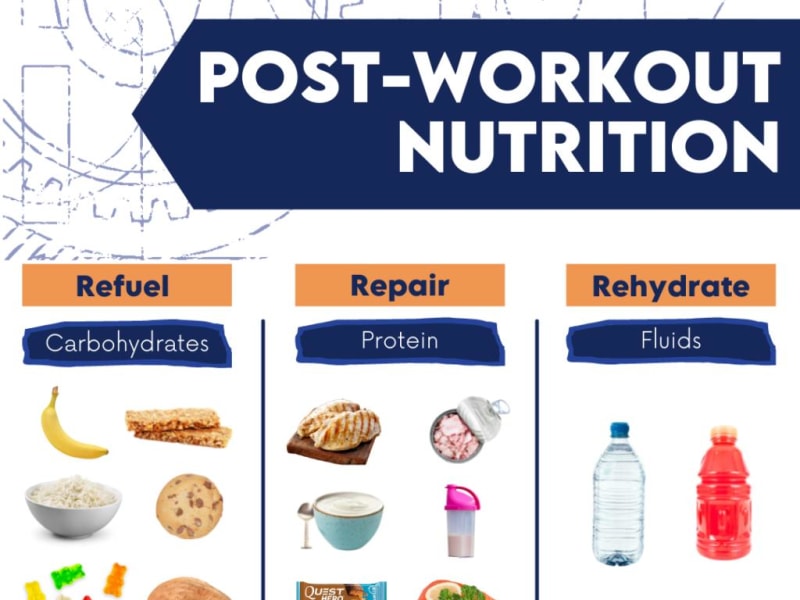
Due to its rich nutrient content, including proteins and carbohydrates, bee pollen is believed by some to enhance energy levels and improve athletic performance. It may aid in muscle recovery and reduce fatigue, although scientific evidence specifically for athletic performance is limited.
8. Aids in Wound Healing
The anti-inflammatory and antimicrobial properties of bee pollen may contribute to faster wound healing. It can be applied topically (in a cream or ointment form) to help reduce inflammation and promote tissue regeneration.
9. May Improve Skin Health
The antioxidants and nutrients in bee pollen can benefit skin health. It may help reduce inflammation, promote cell regeneration, and protect the skin from environmental damage, potentially leading to a healthier and more radiant complexion.
10. Supports Cardiovascular Health
The antioxidants in bee pollen may help protect against heart disease by reducing inflammation and preventing the oxidation of LDL cholesterol, a key factor in atherosclerosis. Its potential to lower blood pressure and cholesterol levels is also being investigated.
11. May Improve Nutrient Absorption
The enzymes present in bee pollen can aid in the digestion and absorption of nutrients from other foods, ensuring that your body gets the most out of your diet.
How to Consume Bee Pollen
Bee pollen can be consumed in various forms:
- Granules: The most common form, which can be added to smoothies, yogurt, oatmeal, or sprinkled on salads.
- Capsules or Tablets: For those who prefer a more convenient and measured dose.
- Tinctures: Liquid extracts that can be added to water or other beverages.
- Topical Applications: In creams or ointments for skin health and wound healing.
It's generally recommended to start with a small dose to assess tolerance and gradually increase it. A common starting point is about half a teaspoon per day, increasing to one to two tablespoons as tolerated.
Potential Side Effects and Precautions
While generally considered safe for most people, bee pollen can cause allergic reactions, especially in individuals with allergies to pollen, bees, or honey. Symptoms of an allergic reaction can range from mild (itching, hives) to severe (anaphylaxis).
- Allergies: If you have a history of allergies, consult your doctor before trying bee pollen.
- Pregnancy and Breastfeeding: There is limited research on the safety of bee pollen during pregnancy and breastfeeding. It's best to avoid it or consult your healthcare provider.
- Asthma: Individuals with asthma may be more prone to allergic reactions.
- Blood Thinners: Bee pollen may interact with blood-thinning medications. Consult your doctor if you are on such medications.
Always source bee pollen from reputable suppliers to ensure quality and purity.
When to Consult a Doctor
It's advisable to consult with a healthcare professional before incorporating bee pollen into your diet, especially if you:
- Have known allergies to pollen, bees, or honey.
- Are pregnant or breastfeeding.
- Have asthma or other respiratory conditions.
- Are taking any medications, particularly blood thinners.
- Are considering giving bee pollen to children.
- Have any underlying health conditions.
Your doctor can help you determine if bee pollen is appropriate for you and advise on the correct dosage.
Conclusion
Bee pollen is a nutrient-dense natural product with a wide range of potential health benefits, from its antioxidant and anti-inflammatory properties to its role in supporting immunity and overall well-being. While research is still evolving, it stands as a testament to the healing power of nature. As with any supplement, it's crucial to approach its use with awareness, starting with small doses and consulting a healthcare professional, especially if you have pre-existing health conditions or allergies.