

Free Helpline
We are here to assist you.
Health Advisor
+91-8877772277Available 7 days a week
10:00 AM – 6:00 PM to support you with urgent concerns and guide you toward the right care.

We are here to assist you.
Health Advisor
+91-8877772277Available 7 days a week
10:00 AM – 6:00 PM to support you with urgent concerns and guide you toward the right care.
Explore the nutritional facts about banana chips. Discover their potential benefits, drawbacks, and how to make healthier choices for a balanced Indian diet.

Banana chips are a popular snack, often enjoyed for their crispy texture and sweet taste. Many people reach for them as a healthier alternative to potato chips or other fried snacks. But are banana chips truly good for you? Let's dive into their nutritional profile, explore the potential benefits and drawbacks, and understand how they fit into a balanced diet, especially for readers in India.
Traditionally, banana chips are made by thinly slicing unripe green bananas and then deep-frying them in oil. Sometimes, they are coated with sugar or salt to enhance their flavour. More recently, baked or dehydrated versions have become available, aiming to reduce the fat content. The processing method significantly impacts their healthiness.
Let's break down what you're getting when you snack on banana chips:
When compared to potato chips, banana chips might offer slightly more potassium and fibre. However, both are typically fried and can be high in fat and calories. If you're looking for a truly healthy snack, fresh fruit like a whole banana or a handful of nuts would be a better choice. Dried fruits, while concentrated in sugar, usually don't have added fats unless specifically prepared that way.
Imagine Priya, a busy working mother in Mumbai, packing snacks for her children's school lunch. She wants something convenient and that her kids will actually eat. She picks up a bag of brightly coloured banana chips, thinking they are a better option than fried savouries. While they satisfy her children's craving for something crunchy and sweet, she later realizes the high sugar and fat content might not be the best choice for their daily diet.
If you love banana chips, here’s how you can enjoy them more mindfully:
Individuals managing the following conditions should be particularly mindful of their banana chip consumption:
If you have specific dietary concerns, chronic health conditions, or are unsure how banana chips fit into your personal health plan, it's always best to consult with a healthcare professional. A registered dietitian or nutritionist can provide personalized advice tailored to your needs and health goals.
Not necessarily. While traditional deep-fried versions are high in fat and calories, baked or dehydrated options with no added sugar can be a more moderate choice. However, they should still be consumed in moderation.
Yes! You can slice bananas thinly and bake them in your oven at a low temperature until crisp. You can also use a dehydrator. This method avoids added oils and sugars, making them a much healthier alternative.
It depends on the specific product and preparation. Banana chips may offer more potassium, but both are often fried and high in fat and calories. Neither is a health food, but mindful choices can make one slightly better than the other.
There's no one-size-fits-all answer, as it depends on your overall diet and health goals. However, for most people, a small handful (about 1/4 cup) as an occasional treat is a reasonable guideline. Focus on nutrient-dense snacks more often.
Banana chips can be a tasty snack, but it's essential to be aware of their nutritional content. By choosing wisely, practising portion control, and understanding their impact on your health, you can decide if and how they fit into your diet. Remember, whole foods like fresh bananas offer the full spectrum of nutrients without the added fats and sugars found in many processed snack versions. Prioritize whole, unprocessed foods as your primary source of nutrition.
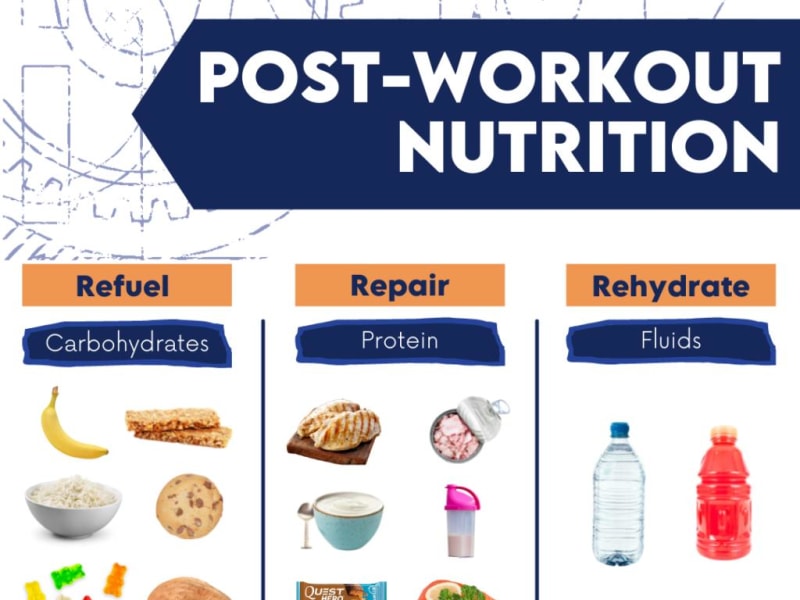
Pre- and post-workout nutrition are two of the most impactful yet frequently confused aspects of sports nutrition. The right foods at the right times can meaningfully improve performance, accelerate recovery, and maximise muscle adaptation — here's exactly what to eat and when.
April 14, 2026
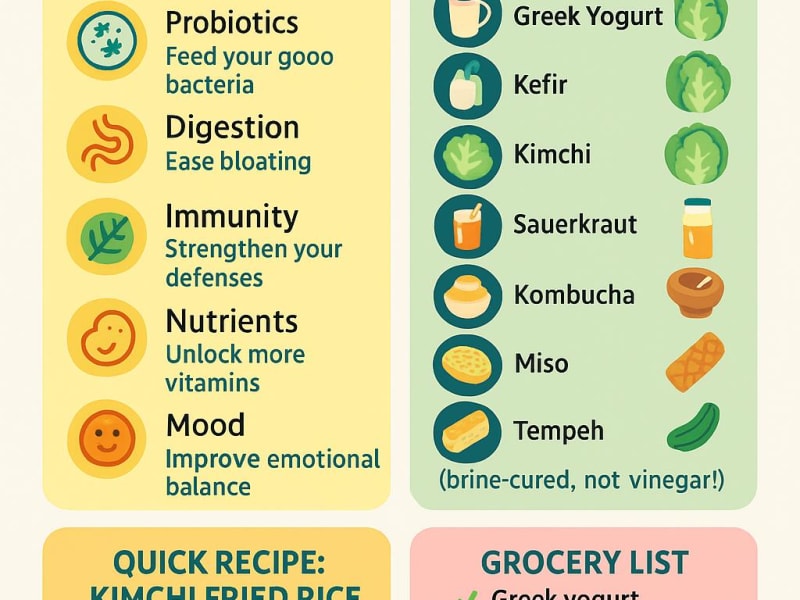
Fermented foods have nourished human gut health for millennia — and modern science is now confirming the mechanisms behind their benefits. From kefir to kimchi, this beginner's guide explains what fermented foods do in the body and how to incorporate them confidently.
April 14, 2026
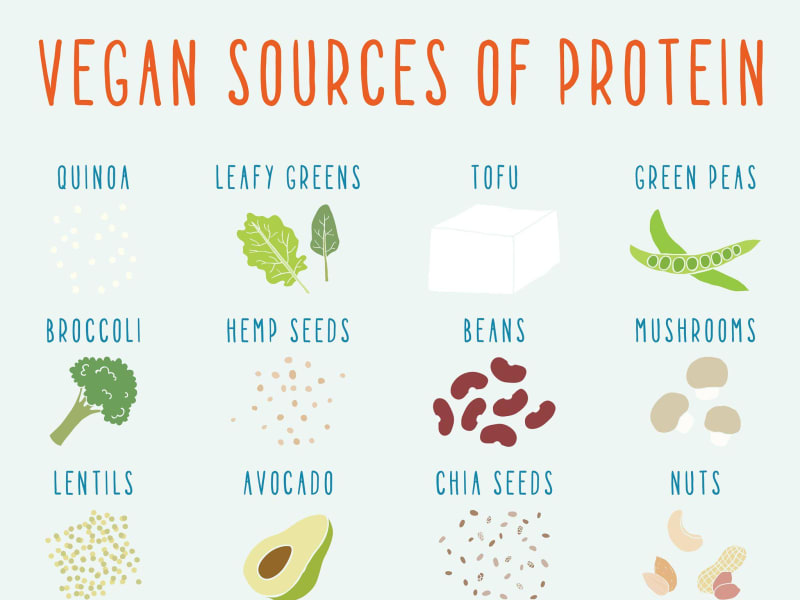
Plant proteins vary significantly in amino acid completeness and digestibility — and choosing the right ones matters for muscle maintenance, satiety, and overall health. This ranked guide separates the best plant protein sources from those that need strategic pairing.
April 14, 2026