

Free Helpline
We are here to assist you.
Health Advisor
+91-8877772277Available 7 days a week
10:00 AM – 6:00 PM to support you with urgent concerns and guide you toward the right care.

We are here to assist you.
Health Advisor
+91-8877772277Available 7 days a week
10:00 AM – 6:00 PM to support you with urgent concerns and guide you toward the right care.
Unlock the secrets to optimal health with our comprehensive nutrition guide. Learn about macronutrients, micronutrients, healthy eating tips, and how to tailor your diet for your unique needs. Empower yourself with the knowledge to make informed food choices for sustained energy and well-being. I...

In a world bustling with health fads and conflicting dietary advice, establishing a solid understanding of nutrition is more crucial than ever. A well-balanced diet isn't just about weight management; it's the bedrock of overall health, energy, and disease prevention. This comprehensive guide will demystify the core principles of nutrition, empowering you to make informed choices that nourish your body and mind.
Our bodies require a steady supply of energy and raw materials to function optimally. These are primarily supplied by macronutrients: carbohydrates, proteins, and fats. Each plays a distinct yet vital role.
Often misunderstood, carbohydrates are essential for energy, fueling your brain, muscles, and nervous system. They are categorized into two main types:
Examples of healthy complex carbohydrates include oats, brown rice, quinoa, whole wheat bread, lentils, and a wide array of fruits and vegetables.
Proteins are the fundamental building blocks of every cell in your body. They are crucial for muscle repair and growth, enzyme production, hormone regulation, and immune function. Proteins are made up of smaller units called amino acids.
Aim for lean protein sources such as chicken breast, fish, tofu, beans, and Greek yogurt to support muscle health and satiety.
Dietary fats are indispensable for hormone production, nutrient absorption (especially fat-soluble vitamins A, D, E, K), insulation, and protecting vital organs. Not all fats are created equal, however.
Incorporating healthy fats into your diet is crucial for overall well-being. Think beyond just "low-fat" and focus on "good fats."
While needed in smaller quantities, micronutrients—vitamins and minerals—are absolutely critical for countless bodily processes, from energy production and immune defense to bone health and nerve function.
Vitamins are organic compounds essential for normal growth and nutrition. They are broadly classified into:
A diet rich in diverse fruits, vegetables, and whole foods typically provides a sufficient array of vitamins. For example, citrus fruits are rich in Vitamin C, leafy greens provide Vitamin K, and sunlight helps the body produce Vitamin D.
Minerals are inorganic elements that originate from the earth and are absorbed by plants and animals. They play vital roles in bone health (calcium, magnesium), fluid balance (sodium, potassium), nerve function (potassium), and oxygen transport (iron).
Key minerals include calcium for strong bones, iron for healthy blood, potassium for heart health, and zinc for immune support. Eating a rainbow of vegetables, legumes, nuts, and seeds is an excellent way to ensure adequate mineral intake.
Translating nutritional knowledge into daily eating habits can seem daunting, but it doesn't have to be. Here are some practical tips to guide your choices:
1. Focus on Whole, Unprocessed Foods: Prioritize foods in their natural state – fresh fruits and vegetables, whole grains, lean proteins, and healthy fats. Minimize highly processed foods, sugary drinks, and fast food, which are often high in unhealthy fats, added sugars, and sodium.
2. Hydrate Adequately: Water is often overlooked but is fundamental for every bodily function. Aim to drink plenty of water throughout the day. Herbal teas and infused water can also contribute to your daily fluid intake.
3. Practice Portion Control: Even healthy foods can contribute to weight gain if consumed in excess. Pay attention to serving sizes and listen to your body's hunger and fullness cues. Using smaller plates can be a simple trick.
4. Plan Your Meals: Meal planning can help ensure you're making healthy choices consistently and avoid last-minute unhealthy options. Prepare healthy snacks in advance to ward off cravings.
5. Eat Mindfully: Slow down, savor your food, and pay attention to how it makes you feel. Mindful eating can improve digestion and help you recognize when you're truly satisfied.
6. Incorporate a Rainbow of Fruits and Vegetables: Different colors often indicate different beneficial plant compounds (phytonutrients). Aim for variety to get a broad spectrum of nutrients.
While the basic principles of nutrition apply to everyone, individual needs can vary based on factors such as age, sex, activity level, existing health conditions, and genetic predispositions. For instance:
Consulting with a registered dietitian or nutritionist can provide personalized guidance tailored to your specific health goals and needs.
Adopting a nutritious diet is a powerful investment in your long-term health and well-being. By understanding the roles of macronutrients and micronutrients, focusing on whole foods, and applying practical eating strategies, you can cultivate sustainable habits that will energize your body, sharpen your mind, and protect you against chronic diseases. Remember, nutrition is a journey, not a destination, and every small, healthy choice contributes to a healthier you.
A1: Excellent plant-based protein sources include lentils, chickpeas, black beans, quinoa, tofu, tempeh, edamame, nuts, and seeds (like chia, flax, and hemp seeds).
A2: While individual needs vary, a general recommendation is about 8 glasses (around 2 liters) per day. Factors like activity level, climate, and overall health can influence your specific hydration needs.
A3: For most healthy individuals consuming a balanced diet, supplements may not be necessary. However, certain situations (e.g., pregnancy, specific deficiencies, vegan diets) may warrant supplementation. Always consult a healthcare professional before starting any supplements.
A4: Start by reducing sugary drinks and highly processed foods. Read food labels carefully for added sugars. Opt for natural sweetness from fruits, and gradually reduce the amount of sugar you add to beverages or recipes.
A5: Yes, healthy snacking can be beneficial to maintain energy levels and prevent overeating at main meals. Choose nutrient-dense snacks like fruits, vegetables with hummus, nuts, or Greek yogurt.
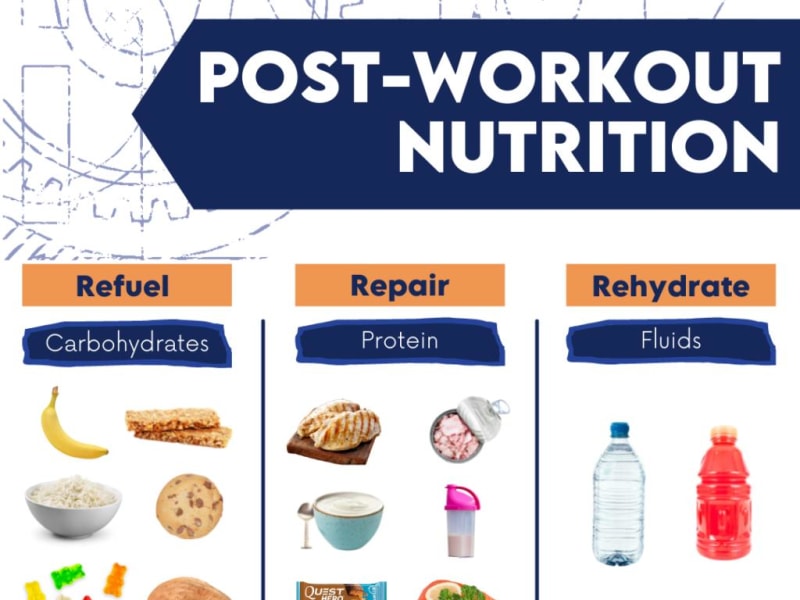
Pre- and post-workout nutrition are two of the most impactful yet frequently confused aspects of sports nutrition. The right foods at the right times can meaningfully improve performance, accelerate recovery, and maximise muscle adaptation — here's exactly what to eat and when.
April 14, 2026
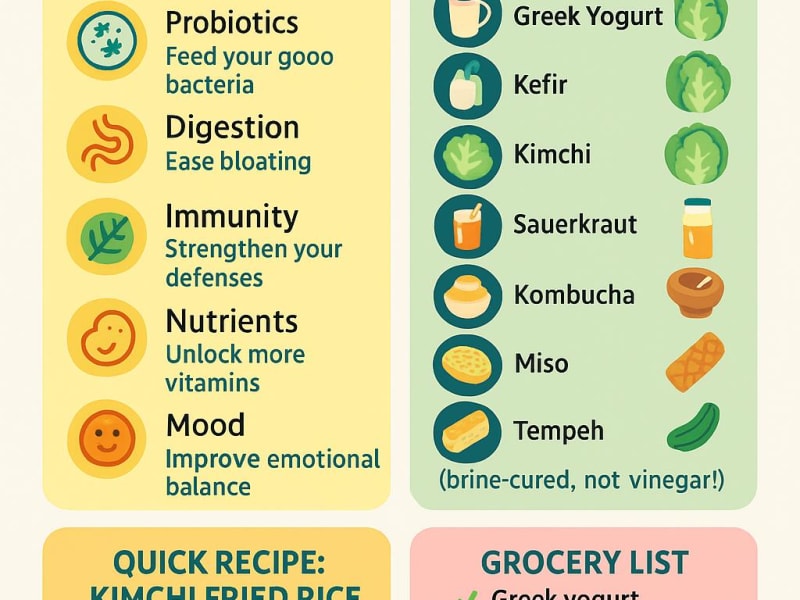
Fermented foods have nourished human gut health for millennia — and modern science is now confirming the mechanisms behind their benefits. From kefir to kimchi, this beginner's guide explains what fermented foods do in the body and how to incorporate them confidently.
April 14, 2026
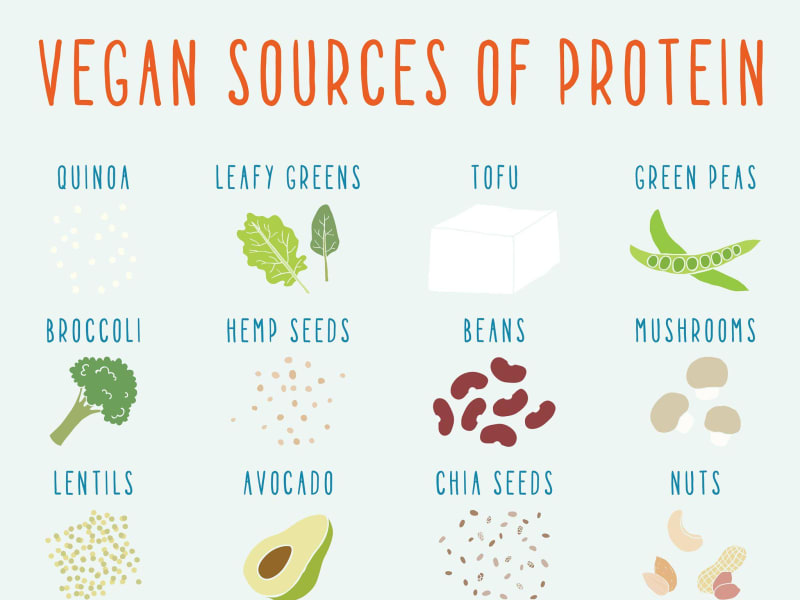
Plant proteins vary significantly in amino acid completeness and digestibility — and choosing the right ones matters for muscle maintenance, satiety, and overall health. This ranked guide separates the best plant protein sources from those that need strategic pairing.
April 14, 2026